
CME INDIA Presentation by Dr. N. K. Singh — Editor-in-Chief, CME INDIA & IJCCP, Dhanbad; Dr. Akash Singh — Editor, CME INDIA & Executive Editor, IJCCP, Vadodara; Dr. Lotika Purohit — National Executive Committee Member, RSSDI, Mumbai.
A clinical commentary occasioned by Alexander Zverev’s 2026 US Open victory.
| KEY MESSAGE On 13 September 2026 Alexander Zverev won the US Open men’s singles title, having injected insulin twice during the final. Diagnosed with type 1 diabetes in early childhood and told elite sport was unattainable, he concealed the diagnosis for two decades. The case illustrates three themes recurring in every Indian diabetes clinic: the bidirectional glycaemic risk of exercise, the scaffolding that makes participation safe, and the durable harm of prognostic language at diagnosis. |
1. The Clinical Vignette
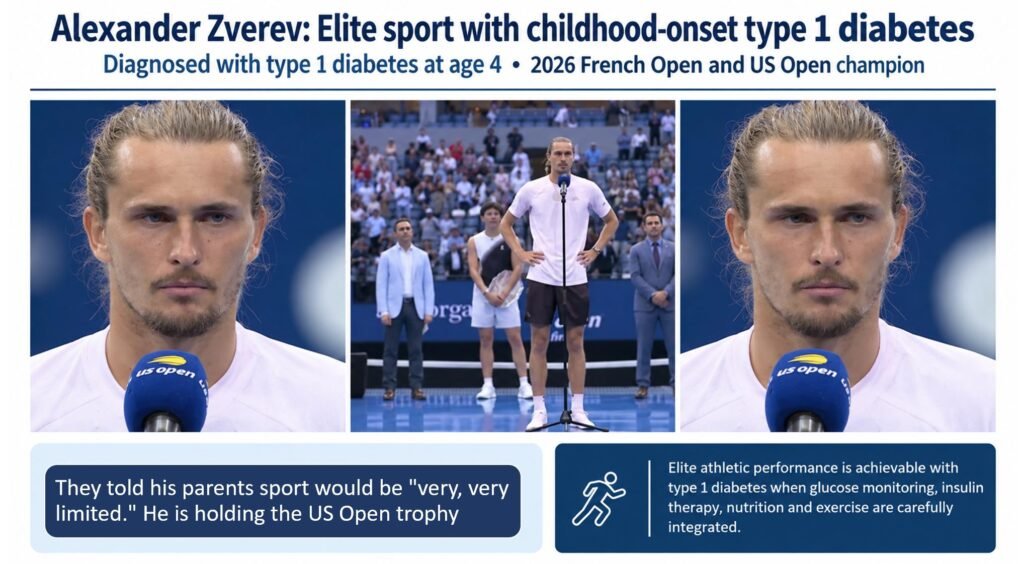
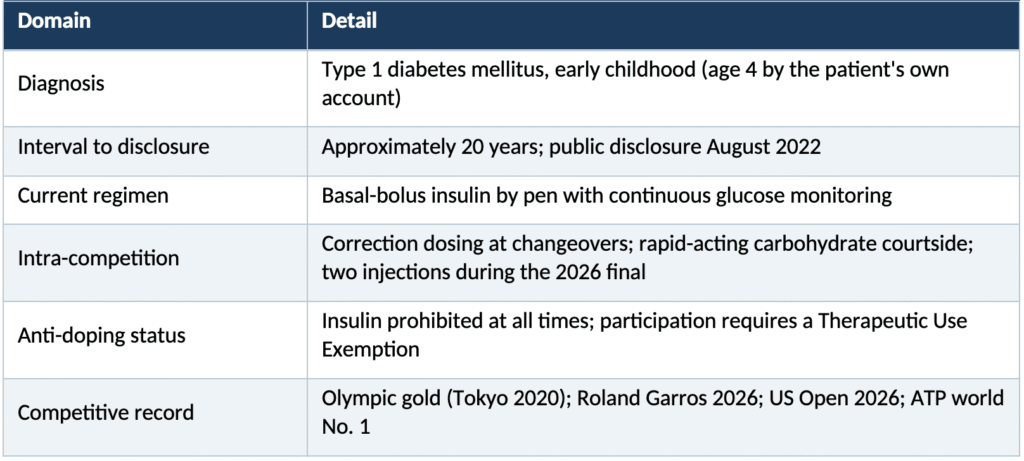
Alexander Zverev, a German professional tennis player, was diagnosed with type 1 diabetes in early childhood; accounts vary between three and four, and at the 2026 trophy presentation he stated four. He has described being advised that professional sport at the highest level was not achievable.
He disclosed the diagnosis publicly only in August 2022, alongside launching a foundation for children with type 1 diabetes. Three years earlier he had been publicly suspected of illicit on-court communication after being seen checking a device in his kit bag; the device was a continuous glucose monitor. At the 2023 French Open he contested a ruling requiring him to leave the court to inject, consuming his limited bathroom breaks; the tournament revised its position.
On 13 September 2026 he defeated Ben Shelton 6-3, 7-6(2), 5-7, 6-2 to win the US Open, his second Grand Slam of the season after Roland Garros in June, injecting insulin twice during the match. In his trophy speech he attributed his career to his mother’s refusal to accept the prognosis offered at diagnosis, concluding that the illness would not define the family.
Table 1. Clinical and contextual profile
2. Why Competitive Exercise Is Physiologically Demanding
2.1 A bidirectional switch that has lost one direction
In normal physiology, exercise lowers portal insulin secretion while glucagon, catecholamines, cortisol and growth hormone rise; hepatic glucose output then matches peripheral utilisation and plasma glucose is held within a narrow range without conscious input.
In type 1 diabetes the afferent limb is intact but the efferent limb is not. Subcutaneous insulin cannot be withdrawn once given, and its pharmacokinetics proceed independently of metabolic demand. Simultaneously, increased muscle blood flow and GLUT4 translocation enhance insulin-dependent and insulin-independent uptake while accelerating absorption from the subcutaneous depot, producing relative hyperinsulinaemia at the moment hepatic output should rise. Counter-regulation is additionally impaired: the glucagon response is typically lost within a few years of diagnosis, and recurrent hypoglycaemia blunts the adrenergic response. The athlete has a narrower margin and less warning within it.
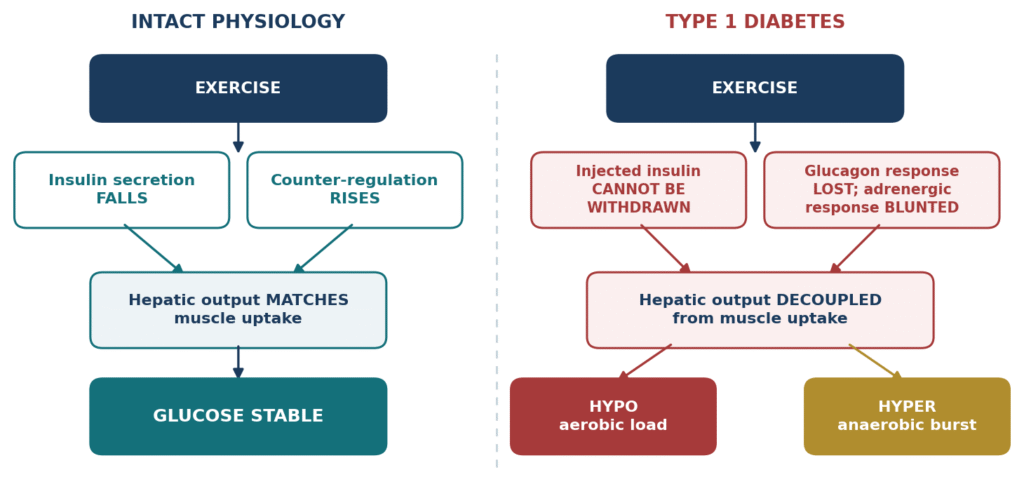
Figure 1. The broken efferent limb.
In intact physiology, falling insulin and rising counter-regulation match hepatic output to muscle uptake. In type 1 diabetes neither correction is available; the direction of failure depends on the stimulus.
2.2 Modality determines the direction of drift
The assumption that exercise lowers glucose is only half correct, and the error is consequential. High-intensity and resistance work generates a catecholamine and cortisol surge driving hepatic output beyond peripheral uptake, producing an acute rise; competitive stress amplifies this independently of physical load. Grand Slam tennis combines both modalities across three to five hours, so a single fixed strategy fails.
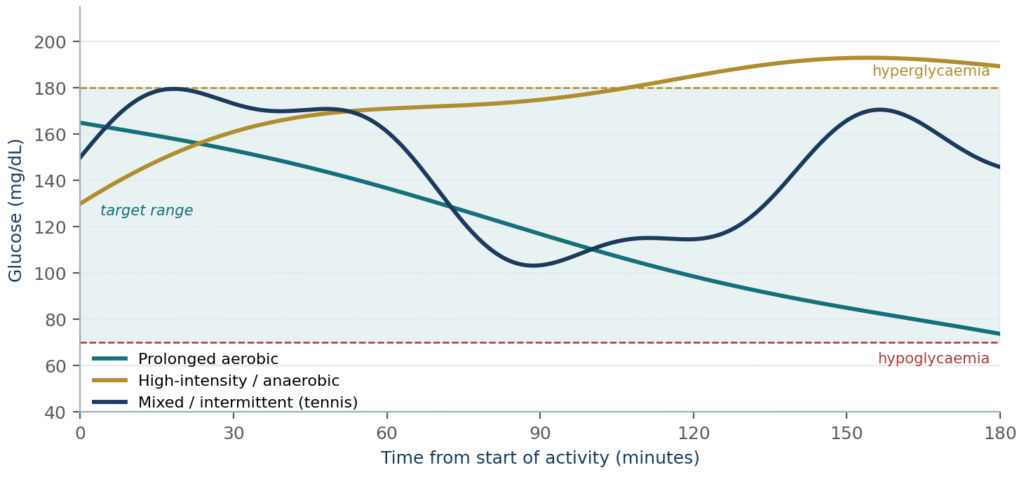
Figure 2. Expected glycaemic trajectory by exercise modality.
Schematic, not measured data. Aerobic work drifts downward; anaerobic work drifts upward; mixed intermittent sport such as tennis or cricket oscillates in both directions within one session.
2.3 Late and nocturnal hypoglycaemia
Risk does not end with the match. Glycogen repletion and enhanced insulin sensitivity persisting up to 24 hours produce a biphasic pattern with a nocturnal nadir approximately six to twelve hours after exertion. During consecutive-day play this is the more dangerous window, and the one most often omitted from counselling.
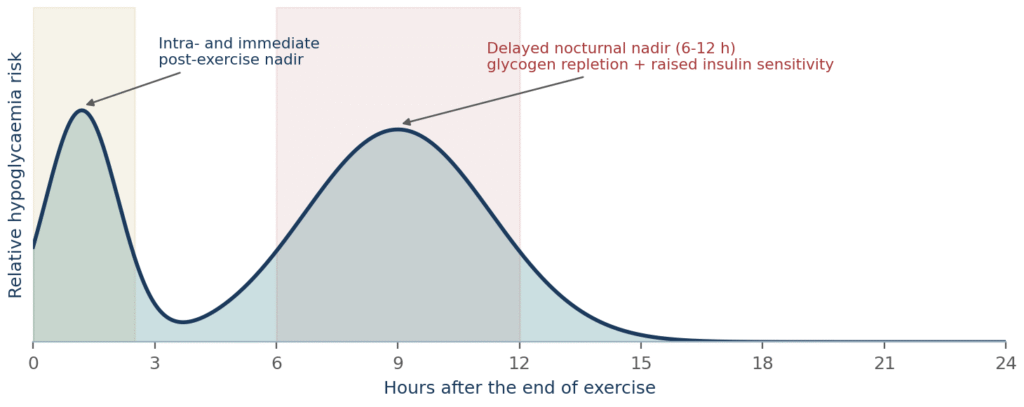
Figure 3. The biphasic risk curve over 24 hours.
Schematic. Counselling that addresses only the first peak leaves the larger and less supervised second peak unmanaged.
2.4 Environmental and technical modifiers
- Heat and dehydration accelerate subcutaneous absorption and alter plasma volume, exaggerating excursions.
- Interstitial glucose lags plasma by five to fifteen minutes, and the discrepancy widens precisely when glucose is changing fastest.
- Sensor compression and signal loss are commoner during vigorous activity; a confirmatory capillary meter must remain available.
3. A Practical Framework
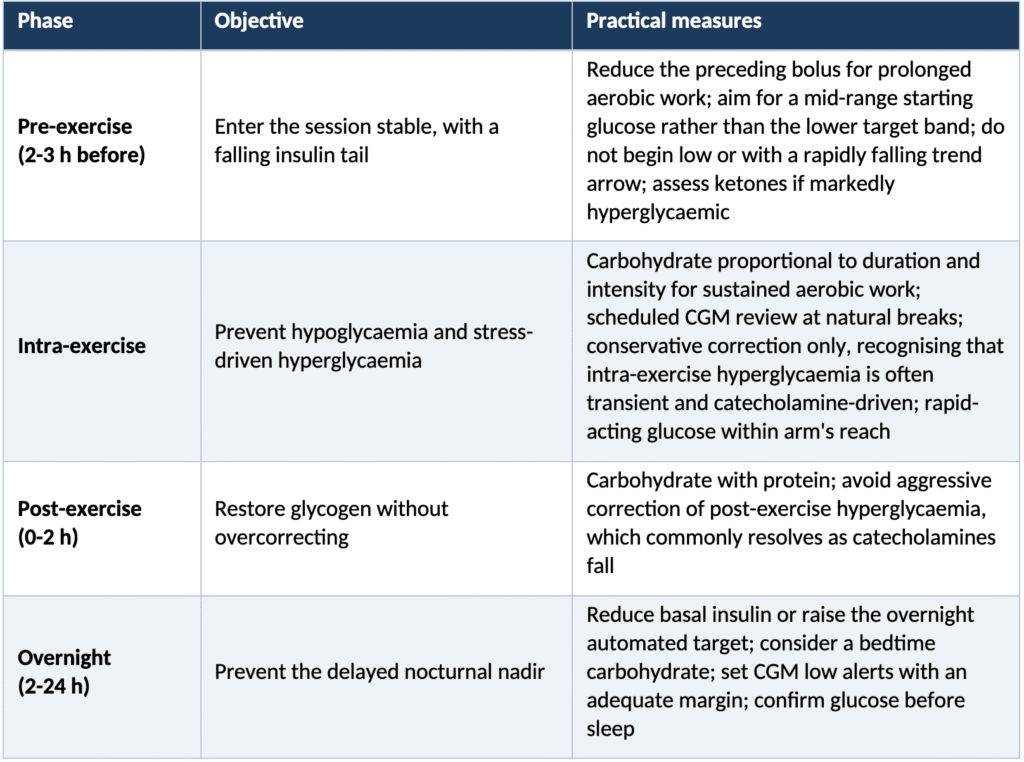
The framework below follows current international consensus guidance. It is a scaffold for individualisation: the dominant determinant of any plan is that person’s documented response to a repeated stimulus, recorded with continuous glucose monitoring.
Table 2. Pre-, intra-, post-exercise and overnight framework
3.1 Sequencing within a session
Where a session contains both modalities, performing resistance or high-intensity work before the aerobic component attenuates the subsequent fall. This is a low-cost instruction deliverable in a two-minute consultation, applicable to any patient, not only athletes.
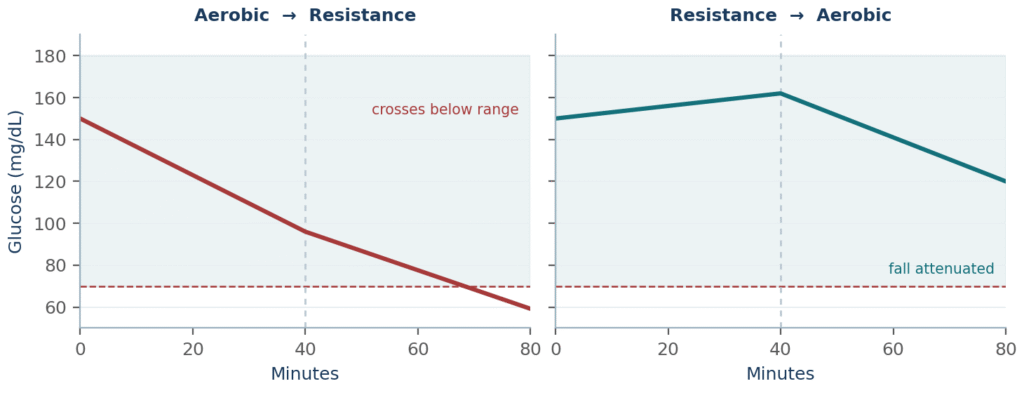
Figure 4. Effect of exercise order within a single session.
Schematic. Placing resistance work first raises glucose before the aerobic component begins, blunting the descent and widening the safety margin.
4. Technology and Its Limits
Continuous glucose monitoring converts exercise management from reactive to anticipatory, principally through trend-rate rather than absolute value. Automated insulin delivery with an exercise or temporary-target mode further reduces hypoglycaemia, provided the raised target is activated one to two hours in advance, since insulin already delivered remains the dominant variable.
For the Indian clinician the constraint is rarely knowledge and almost always cost: sensors remain a recurring out-of-pocket expense and automated delivery reaches a small minority. A defensible compromise is structured intermittent sensor use around training and competition blocks with disciplined capillary testing. Frame counselling around what that household can sustain rather than an idealised standard that produces only guilt.
5. Anti-Doping: Insulin and Therapeutic Use Exemption
Exogenous insulin is prohibited at all times under the World Anti-Doping Code, classified among hormone and metabolic modulators on the basis of anabolic potential. An athlete with type 1 diabetes therefore requires a Therapeutic Use Exemption granted in advance, supported by documentation of diagnosis, therapeutic necessity and the absence of a permitted alternative. Physicians certifying school, state or national-level athletes in India should know the National Anti-Doping Agency pathway and assemble documentation – C-peptide, autoantibody status where available, and a treatment record – before the season begins. Delegating this to the family predictably fails.
6. Concealment as a Clinical Finding
The most instructive feature is not the titles but the twenty-year interval before disclosure, driven by an anticipated judgement that he would be seen as limited. The 2019 episode, in which glucose monitoring was mistaken for rule-breaking, illustrates the cost: the hidden device invites the very suspicion it was meant to avoid.
Indian clinicians will recognise the pattern without translation. Doses are skipped at weddings and hostel meals; adolescents refuse to test before peers; the diagnosis is withheld during marriage negotiations and from employers. These are not adherence failures but rational responses to an anticipated social penalty, and they are reflected directly in glycated haemoglobin. Stigma is a modifiable clinical variable: ask who knows, who does not, and what the patient believes would follow if they did.
7. The Prognostic Conversation
The central lesson belongs to the profession rather than the patient. The diagnosis delivered in that consulting room was correct; the prognosis attached to it was not.
There is now a substantial record of elite achievement in type 1 diabetes. Gary Hall Jr., diagnosed in 1999, won Olympic swimming gold in 2000 and 2004. Wasim Akram was diagnosed in 1997 at the height of his career and played international cricket for six more years – the most useful example when counselling an Indian family. Type 1 diabetes constrains the management burden; it does not constrain the ceiling. Prognostic statements at diagnosis have a half-life measured in decades and are often retained verbatim by parents. Reserve statements about what a child cannot do for when they are evidentially supported; otherwise state what the condition requires.
| REFRAMING THE CONSULTATION Instead of: “Competitive sport is probably not realistic for him.” Consider: “He can train and compete. What that requires is a glucose plan for before, during, after and overnight – and we will build it together and revise it as he grows.” |
8. Conclusion
A Grand Slam final is an extreme test case, but the physiology it exposes is that of every patient with type 1 diabetes who works a physical job, plays cricket in a maidan or climbs four flights to a clinic. The principles scale downward unchanged: anticipate the direction of drift, plan across all four phases including the overnight window, act on trend rather than single values, and remove the social penalty that drives concealment. The remaining task costs nothing. A sentence spoken in a paediatric clinic this week will be repeated in that family for thirty years, and is worth choosing carefully.
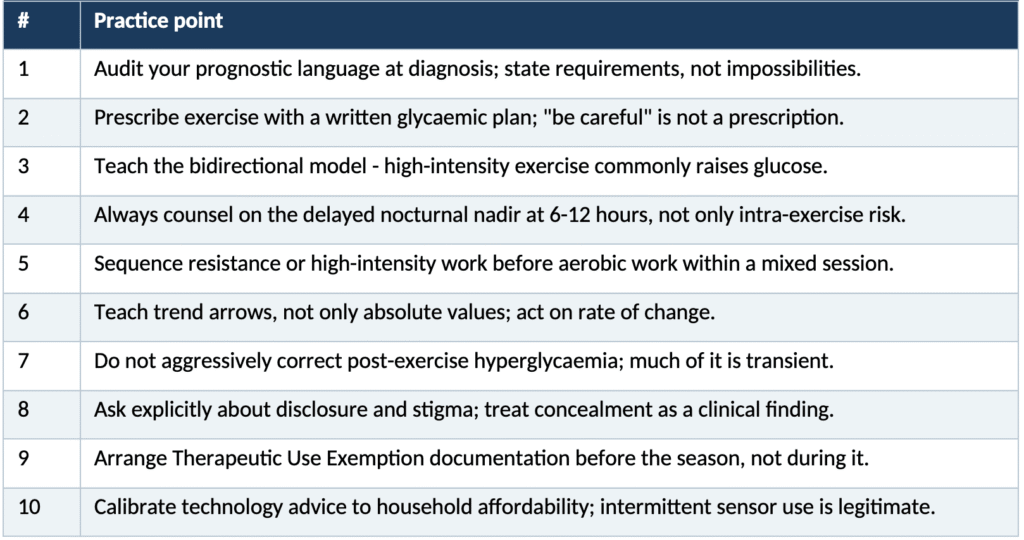
Table 3. Ten practice points
Video Resources
- Full trophy presentation, 2026 US Open (ESPN)
- Trophy speech excerpt – tribute to his mother (ESPN)
- Championship point (US Open official)
- Post-final press conference (US Open official)
Suggested Reading
1. Riddell MC, Gallen IW, Smart CE, et al. Exercise management in type 1 diabetes: a consensus statement. Lancet Diabetes Endocrinol. 2017;5(5):377-390.
2. Adolfsson P, Taplin CE, Zaharieva DP, et al. ISPAD Clinical Practice Consensus Guidelines 2022: Exercise in children and adolescents with diabetes. Pediatr Diabetes. 2022;23(8):1341-1372.
3. Moser O, Riddell MC, Eckstein ML, et al. Glucose management for exercise using continuous glucose monitoring in people with type 1 diabetes: position statement of the EASD and ISPAD. Diabetologia. 2020;63(12):2501-2520.
4. Battelino T, Danne T, Bergenstal RM, et al. Clinical targets for continuous glucose monitoring data interpretation: recommendations from the International Consensus on Time in Range. Diabetes Care. 2019;42(8):1593-1603.
Editorial Note
| DISCLOSURE AND SCOPE This commentary addresses the clinical and physiological dimensions of competitive sport in type 1 diabetes. It uses a public sporting event as a teaching vehicle. |
Discover CME INDIA

- Explore CME INDIA Repository
- Examine CME INDIA Case Study
- Read History Today in Medicine
- Register for Future CMEs