
CME INDIA Presentation by Dr. Shambo Samrat Samajdar (JMN Medical College and Hospital, Nadia, West Bengal), Dr. Shashank R. Joshi (Joshi Clinic, Mumbai, Maharashtra).
Abstract
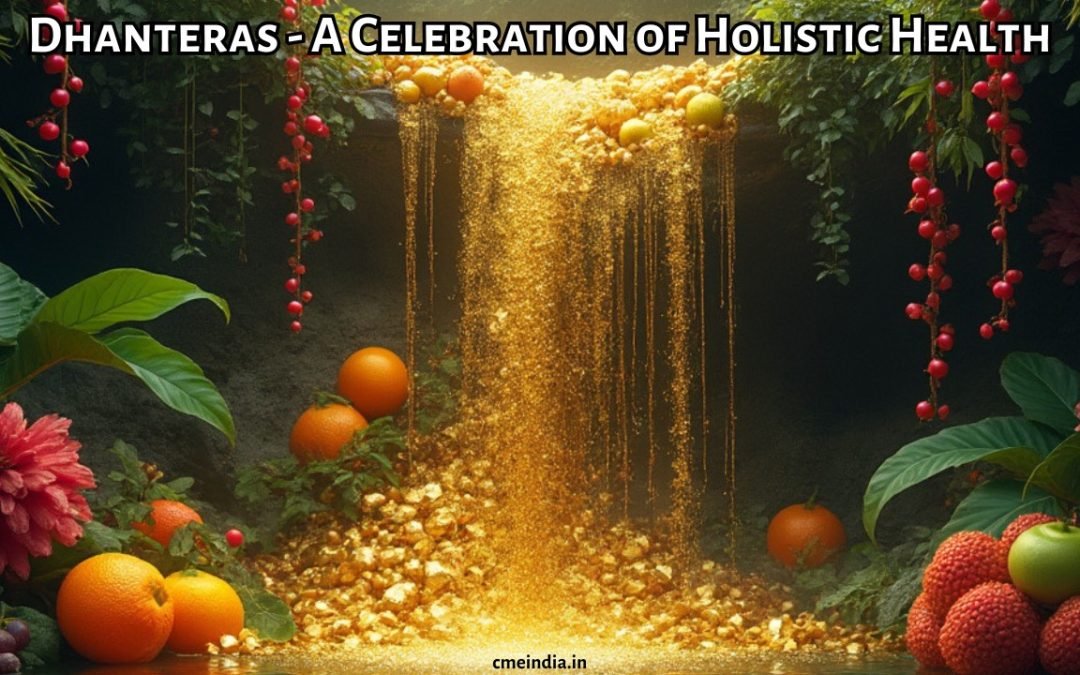
Dhanteras, the first day of the Diwali festival, is traditionally associated with the purchase of gold, silver, and other valuables as symbols of prosperity. However, the true essence of Dhanteras lies in celebrating health and well-being, as it coincides with Dhanvantari Jayanti, which commemorates the birth of Lord Dhanvantari, the divine figure associated with Ayurveda. Known as the God of Medicine, Lord Dhanvantari represents the holistic approach to health promoted by Ayurveda, which emphasizes preventive healthcare, balanced living, and the use of natural remedies. With modern society facing a surge in lifestyle-related disorders such as diabetes, cardiovascular diseases, and mental health conditions, the principles derived from Dhanvantari’s teachings offer valuable insights into integrating holistic practices into contemporary healthcare. This manuscript reviews the significance of Lord Dhanvantari’s contributions to Ayurveda, emphasizing the relevance of his teachings in addressing today’s health challenges. It proposes a shift in the focus of Dhanteras from material wealth to holistic well-being, advocating for the adoption of Ayurvedic principles to enhance health outcomes in modern life.
Introduction
The rise in lifestyle-related disorders, including type 2 diabetes, obesity, hypertension, and mental health conditions, poses a significant public health challenge worldwide. These non-communicable diseases (NCDs) account for a substantial proportion of morbidity and mortality, largely influenced by modifiable lifestyle factors such as poor diet, physical inactivity, chronic stress, and inadequate sleep (1). Addressing these challenges requires a shift towards preventive and holistic approaches to health, which can be found in traditional practices like Ayurveda.
Ayurveda, one of the oldest medical systems in the world, promotes a balance between the body, mind, and spirit through lifestyle management, dietary practices, and natural therapies. At the heart of Ayurvedic tradition is Lord Dhanvantari, the divine physician and God of Medicine, whose teachings laid the foundation for this ancient healing system. His emergence during the Samudra Manthan (churning of the ocean), where he appeared with the pot of Amrita (nectar of immortality), symbolizes the introduction of Ayurveda to humanity, emphasizing the importance of health as the true form of wealth (2).
Dhanteras, marking the beginning of Diwali, coincides with Dhanvantari Jayanti, celebrating the birth of Lord Dhanvantari. While Dhanteras is commonly associated with purchasing valuables for prosperity, this day provides an opportunity to shift the focus toward embracing the holistic health principles advocated by Lord Dhanvantari. This manuscript reviews Lord Dhanvantari’s teachings and their relevance in modern healthcare, underscoring the importance of prioritizing health over material wealth during Dhanteras.
Lord Dhanvantari: The Divine Physician and His Teachings
Mythological Significance and the Emergence of Ayurveda
In Hindu mythology, Lord Dhanvantari is considered the divine progenitor of Ayurveda. According to the legend, he emerged from the Samudra Manthan, holding a pot of Amrita in one hand and medicinal herbs in the other, symbolizing the dual aspects of healing—preventive and therapeutic (2). His teachings laid the foundation for Ayurveda, a system of medicine that integrates the prevention and treatment of illnesses, addressing the physical, mental, and spiritual dimensions of health. Ayurveda was later codified into eight branches by Dhanvantari, encompassing surgery (Shalya), internal medicine (Kayachikitsa), pediatrics (Kaumarabhritya), toxicology (Agadatantra), rejuvenation (Rasayana), and other specialized areas (2). This comprehensive approach to healthcare continues to influence traditional and modern medical practices today.
Health as the True Wealth: The Central Message of Dhanvantari
The teachings of Lord Dhanvantari prioritize health over material possessions, with the belief that good health forms the foundation for a meaningful and fulfilling life. This perspective aligns with contemporary definitions of health, which extend beyond the mere absence of disease to include physical, emotional, and social well-being (3). The rituals associated with Dhanteras, such as lighting ghee lamps and offering prayers for health, reflect the cultural acknowledgment that health is the most valuable asset, overshadowing material wealth.
Key Lessons from Lord Dhanvantari for Modern Health
1. Emphasis on Preventive Healthcare and Lifestyle Management
A fundamental tenet of Lord Dhanvantari’s teachings is the emphasis on prevention over cure. Ayurveda promotes a lifestyle aimed at preventing the onset of diseases, incorporating balanced nutrition, regular physical activity, adequate sleep, and effective stress management. These principles resonate with modern public health strategies that advocate for lifestyle modifications to reduce the risk of NCDs (1).
- Balanced Nutrition and Digestive Health
Ayurveda’s dietary recommendations emphasize consuming fresh, seasonal foods that suit an individual’s constitution (Prakriti) and digestive strength (Agni). This personalized approach is similar to modern dietary practices that recognize the importance of individualized nutrition in preventing metabolic disorders such as diabetes and cardiovascular disease (4). The Ayurvedic practice of avoiding processed and refined foods, while prioritizing natural, nutrient-rich foods, aligns with current dietary guidelines that seek to prevent chronic illnesses. - Daily Routine (Dinacharya) and Circadian Health
Lord Dhanvantari’s teachings stress the significance of adhering to daily routines that follow natural circadian rhythms. The Ayurvedic concept of Dinacharya involves regulating sleep-wake cycles, meal timings, and exercise schedules to optimize metabolic and hormonal processes. Modern research supports the role of circadian rhythms in regulating glucose metabolism, lipid balance, and cardiovascular health, validating the relevance of traditional Ayurvedic practices (5). Disruptions to circadian patterns, such as irregular sleep habits and late-night eating, have been linked to increased risk of obesity, type 2 diabetes, and cardiovascular disorders. (6)
2. The Role of Medicinal Herbs and Natural Remedies
Lord Dhanvantari is closely associated with the use of medicinal plants and natural therapies in health promotion. Ayurvedic herbs such as Ashwagandha, Triphala, and Turmeric have been employed for their therapeutic effects for centuries. These herbs possess scientifically validated properties that support their use in modern healthcare.
- Anti-Inflammatory and Antioxidant Properties
Many Ayurvedic herbs are rich in bioactive compounds that exhibit anti-inflammatory and antioxidant effects, playing a critical role in managing conditions characterized by chronic inflammation, such as arthritis, atherosclerosis, and diabetes. For example, curcumin, the active component of Turmeric, has been extensively studied for its ability to modulate inflammatory pathways and reduce oxidative stress (7). The incorporation of traditional herbal remedies into modern clinical practice provides a complementary approach to managing chronic diseases. - Adaptogens for Stress Management
Adaptogenic herbs, including Ashwagandha, have been shown to improve the body’s resilience to stress, reduce cortisol levels, and enhance sleep quality. This aligns with Lord Dhanvantari’s holistic approach, which integrates mind-body practices to bolster the body’s capacity to withstand the adverse effects of stress on health (8). Adaptogens have gained recognition in integrative medicine for their role in supporting mental well-being and preventing stress-related disorders.
3. Holistic Healing: Integrating Mind-Body Practices
The principles of Ayurveda, as advocated by Lord Dhanvantari, emphasize the interconnectedness of physical, mental, and spiritual health. Holistic healing involves integrating practices such as yoga, meditation, and pranayama (breathing exercises) to enhance mental clarity, emotional stability, and physical vitality. These practices are not only integral to traditional Ayurvedic healing but have also been validated by modern research.
- Mental Health and Stress Reduction
With the increasing prevalence of mental health conditions, the need for holistic approaches to treatment has become more pronounced. Mind-body practices such as meditation and yoga have been shown to alleviate stress, reduce anxiety, and enhance mood (9). These practices, now widely accepted in complementary and integrative medicine, provide effective non-pharmacological strategies for improving mental health and overall well-being.
4. Embracing Balance and Moderation in Lifestyle
Ayurveda teaches that health is achieved by maintaining balance in all aspects of life. The principles set forth by Lord Dhanvantari extend to diet, exercise, work, and recreation, advocating for moderation to avoid extremes. This balanced approach is particularly relevant today, as lifestyle imbalances contribute significantly to the burden of NCDs. Practices such as mindful eating, regular yet moderate physical activity, and the inclusion of relaxation techniques can help restore balance and support sustainable health (10).
Dhanteras – A Shift Toward Holistic Well-Being
Dhanteras, a day traditionally associated with material wealth, presents an opportunity to emphasize health as the ultimate form of prosperity. The teachings of Lord Dhanvantari offer a framework for viewing health as a comprehensive state of well-being rather than simply the absence of illness. By embracing his principles, the celebration can be transformed into a reminder of the importance of preventive healthcare, natural therapies, and holistic living. Rituals such as lighting lamps and offering prayers for health should be seen as a way of illuminating the path to a healthier life, rather than just a means of acquiring material wealth.
Conclusion
The teachings of Lord Dhanvantari provide timeless wisdom that remains relevant in addressing modern health challenges. His emphasis on preventive healthcare, lifestyle management, and the therapeutic use of natural remedies aligns with current trends in holistic medicine and integrative healthcare. By shifting the focus of Dhanteras from material wealth to health and well-being, individuals can embrace a more balanced, meaningful, and fulfilling approach to life. The adoption of Ayurvedic principles in contemporary medical practices, inspired by Lord Dhanvantari, can lead to more sustainable health outcomes and offer a pathway to holistic well-being.
References:
- M Y, Kagathara N, Ram R, Misra S, Kagathara J. Exploring Behavioral Risk Factors for Non-communicable Diseases Among Undergraduate Medical Students in Western Gujarat: A Cross-Sectional Study. Cureus. 2023 Nov 21;15(11):e49188. doi: 10.7759/cureus.49188.
- Gray LH. The Indian God Dhanvantari. J Am Orient Soc. 1922;42:323-337. doi:10.2307/593645.
- Svalastog AL, Donev D, Jahren Kristoffersen N, Gajović S. Concepts and definitions of health and health-related values in the knowledge landscapes of the digital society. Croat Med J. 2017 Dec 31;58(6):431-435. doi: 10.3325/cmj.2017.58.431.
- Banerjee S, Debnath P, Debnath PK. Ayurnutrigenomics: Ayurveda-inspired personalized nutrition from inception to evidence. J Tradit Complement Med. 2015 Mar 24;5(4):228-33. doi: 10.1016/j.jtcme.2014.12.009.
- Pradeep V. Mishrikoti, Prarthana HM, & Tukaram Lamani. (2024). Role of Dinacharya to maintain Circadian Rhythm for Cell Rejuvenation – A Review . Journal of Ayurveda and Integrated Medical Sciences, 9(6), 73 – 79. https://doi.org/10.21760/jaims.9.6.10
- Boege HL, Bhatti MZ, St-Onge MP. Circadian rhythms and meal timing: impact on energy balance and body weight. Curr Opin Biotechnol. 2021 Aug;70:1-6. doi: 10.1016/j.copbio.2020.08.009. Epub 2020 Sep 29.
- Prasad S, Aggarwal BB. Turmeric, the Golden Spice: From Traditional Medicine to Modern Medicine. In: Benzie IFF, Wachtel-Galor S, editors. Herbal Medicine: Biomolecular and Clinical Aspects. 2nd edition. Boca Raton (FL): CRC Press/Taylor & Francis; 2011. Chapter 13.Available from: https://www.ncbi.nlm.nih.gov/books/NBK92752/
- Singh N, Bhalla M, de Jager P, Gilca M. An overview on ashwagandha: a Rasayana (rejuvenator) of Ayurveda. Afr J Tradit Complement Altern Med. 2011;8(5 Suppl):208-13. doi: 10.4314/ajtcam.v8i5S.9. Epub 2011 Jul 3.
- Khajuria A, Kumar A, Joshi D, Kumaran SS. Reducing Stress with Yoga: A Systematic Review Based on Multimodal Biosignals. Int J Yoga. 2023 Sep-Dec;16(3):156-170. doi: 10.4103/ijoy.ijoy_218_23. Epub 2024 Feb 9.
- 10.Cavallo M, Morgana G, Dozzani I, Gatti A, Vandoni M, Pippi R, Pucci G, Vaudo G, Fanelli CG. Unraveling Barriers to a Healthy Lifestyle: Understanding Barriers to Diet and Physical Activity in Patients with Chronic Non-Communicable Diseases. Nutrients. 2023 Aug 5;15(15):3473. doi: 10.3390/nu15153473.
Discover CME INDIA

- Explore CME INDIA Repository
- Examine CME INDIA Case Study
- Read History Today in Medicine
- Register for Future CMEs