
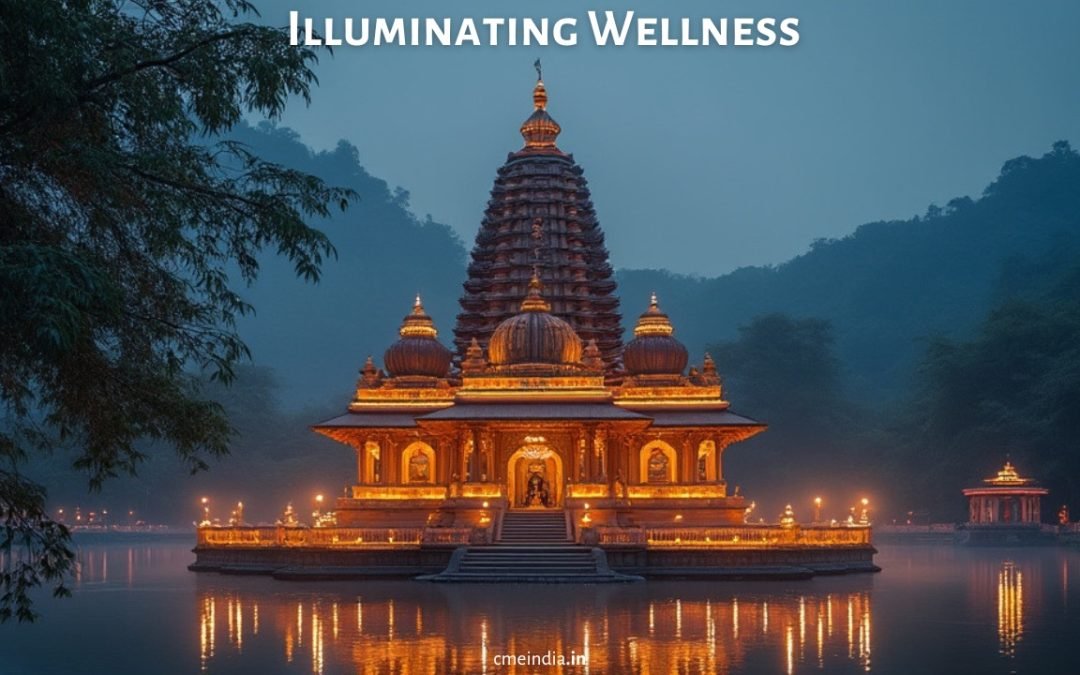
CME INDIA Presentation by Dr. Shambo Samrat Samajdar (JMN Medical College and Hospital, Nadia, West Bengal), Dr. Shashank R. Joshi (Joshi Clinic, Mumbai, Maharashtra).
Introduction
Diwali, deeply embedded in cultural practices, promotes holistic well-being through its emphasis on mental clarity, social bonding, and personal renewal. Rituals such as lighting diyas (oil lamps), fasting, and home cleansing are intended to foster prosperity, health, and psychological restoration. From psychological and physiological perspectives, these traditions align with principles in positive psychology, preventive medicine, and integrative health, supporting both mental and physical wellness.
Mental Well-being and Psychological Renewal
The themes of light overcoming darkness in Diwali symbolize resilience, hope, and positivity. Psychological research underscores the mental health benefits of such symbolic celebrations. Rituals, such as lighting diyas, foster mindfulness and create a structured environment for reflection and emotional grounding. This can be likened to mindfulness-based interventions that support focus, awareness, and positive thought patterns [1]. Practices like sharing sweets, giving gifts, and expressing gratitude parallel findings in positive psychology, where gratitude and altruism enhance happiness, strengthen social bonds, and reduce depression [2].
Community gatherings during Diwali, including shared meals and storytelling, enhance social cohesion and boost oxytocin—a hormone promoting love and trust [3]. This sense of social bonding and support is particularly vital for mental resilience, reducing loneliness and fostering life satisfaction, especially among individuals experiencing stress or cultural isolation.
Biological Impact of Fasting and Cleansing Rituals
Diwali’s traditions of fasting and cleansing are not only spiritually meaningful but also provide physiological benefits. Intermittent fasting during Diwali has been associated with enhanced metabolic health, reduced inflammation, and improved cellular repair through autophagy [4]. These metabolic adjustments contribute to reduced risk for chronic diseases such as diabetes and cardiovascular disorders, and they support longevity by promoting insulin sensitivity and metabolic balance [5].
In addition, Diwali’s emphasis on home cleansing aligns with health-promoting behaviors that support personal and community hygiene. By reducing clutter, dust, and allergens, these practices contribute to respiratory health and enhance psychological well-being through the cleanliness-happiness link [6]. The tradition also reinforces habits of hygiene, contributing to infection control and public health, especially during seasonal transitions.
Through a blend of mental, emotional, and physical practices, Diwali fosters a holistic approach to well-being, encouraging renewal and balance that extend beyond the celebration itself.
Goddess Kali Puja: Symbolism and Empowerment in Health
Kali Puja, celebrated in conjunction with Diwali in certain regions, holds significant psychological and cultural meaning. Worship of Goddess Kali embodies the dual themes of destruction and rebirth, symbolizing transformation and self-realization. These themes have profound therapeutic potential, resonating with psychological processes and neurophysiology.
Kali: Icon of Destruction and Rebirth
As the embodiment of destruction and renewal, Goddess Kali symbolizes the psychological transformation necessary for personal growth. Kali’s fierce imagery represents the need to confront fears and dismantle negative patterns—a central theme in psychotherapy, where acknowledging one’s shadow self and overcoming self-limiting beliefs fosters resilience. This process parallels Carl Jung’s concept of individuation, where individuals integrate suppressed aspects of themselves to achieve psychological wholeness [7, 8].
Kali’s iconography, which emphasizes the release of ego, aligns with modern psychology’s focus on managing ego-based stress and interpersonal conflicts. Surrendering ego-driven desires fosters unity and self-awareness, enhancing mental well-being. This is similar to mindfulness practices, where releasing attachment to the self promotes emotional freedom, resilience, and inner peace.
Scientific Symbolism: Black Hole and White Hole Concepts [9]
Kali’s role in spiritual transformation resonates with astrophysical phenomena, particularly black holes and white holes. In physics, black holes symbolize consumption and transformation, akin to Kali’s power to neutralize negativity. Conversely, white holes are cosmic entities theorized to create matter, symbolizing rebirth. This duality mirrors Kali’s symbolism of destruction and renewal, underscoring the mind’s potential for inner transformation and psychological resilience.
This cosmic metaphor suggests that facing inner “darkness” can lead to personal growth and enlightenment. Much like matter re-emerging from a white hole, individuals who confront and dismantle negativity emerge stronger and more self-aware.
Neurophysiological Perspectives on Ritual Worship
Kali Puja’s rituals—chanting, meditation, and offerings—activate the brain’s limbic system, which regulates emotions and memory. Neurotheology, studying how spiritual practices impact the brain, reveals that these rituals promote emotional resilience and peace [10]. By engaging multiple senses, Kali Puja rituals reduce activity in the brain’s default mode network (DMN), which is often linked to rumination and anxiety [11]. This reduction fosters present-moment awareness and emotional regulation.
Chanting stimulates the vagus nerve, supporting the parasympathetic nervous system, promoting relaxation and reducing stress. The increased alpha waves during these rituals enhance focus and reduce anxiety. Research in neuroplasticity suggests that consistent engagement in rituals strengthens brain pathways for emotional regulation, reducing stress impact and supporting mental well-being [12, 13, 14].
Through symbolic practices, Kali Puja encourages individuals to confront fears, transform negative behaviors, and achieve psychological renewal. By bridging ancient traditions with modern neuroscience, we recognize the mental health benefits embedded in these cultural practices.
Astronomical and Physical Parallels in Spiritual Beliefs
Diwali, the “Festival of Lights,” reflects cosmic cycles, blending astronomical symbolism with spiritual beliefs. This connection reveals parallels with circadian rhythms, resilience, and personal growth.
Lighting Up the Night: Astronomy and the Festival of Lights
Lighting diyas during Diwali represents triumph over darkness, mirroring the astronomical cycle of day and night. Circadian rhythms, regulated by light exposure, govern physiological processes and mental health [15]. Diwali’s timing at the seasonal shift into winter, when daylight decreases, can serve as a cultural intervention to counter reduced sunlight, supporting mental health.
Bright lights during Diwali stimulate retinal cells that communicate with the brain’s suprachiasmatic nucleus (SCN), regulating circadian rhythms and melatonin production. This practice can mitigate seasonal affective disorder (SAD) by aligning sleep-wake cycles and promoting psychological well-being [16].
Symbolically, the act of lighting lamps encourages resilience and the ability to overcome challenges. Such symbolic acts remind individuals of their strengths, promoting positive thinking and a sense of purpose that reduces stress and anxiety.
The Metaphor of Rama’s Victory: A Psychological Framework
The Diwali story of Lord Rama’s victory over Ravana serves as a metaphor for resilience and ethical conduct. Cultural myths like this shape mental resilience, allowing individuals to draw strength and meaning from shared narratives. The celebration reinforces values of courage and ethical conduct, supporting personal growth.
Narrative psychology supports that framing personal struggles within larger stories, like Rama’s victory, fosters resilience and positivity. By engaging in cultural reenactments and storytelling, Diwali promotes community bonds and shared identity, which are protective factors for mental health.
Through its practices, Diwali bridges astronomy, psychology, and spirituality, supporting well-being by reinforcing cultural identity and resilience.
Implications for Integrative Medicine: Integrating Cultural and Astronomical Symbolism
Integrative medicine increasingly values cultural and spiritual practices as components of holistic health. Diwali and Kali Puja offer frameworks for incorporating traditional practices into modern health approaches.
Integrative Medicine Models: Tradition and Health
Diwali and Kali Puja involve practices that support psychological resilience and physical health. Rituals like lighting diyas and fasting align with mindfulness-based stress reduction and support emotional regulation. Integrating these cultural practices into therapeutic models can make interventions relatable, especially for individuals with strong cultural ties.
Kali Puja’s themes of destruction and renewal complement therapeutic methods that encourage transformation and emotional resilience [17]. Symbolically aligning therapy with culturally familiar concepts, like Kali’s power over inner darkness, may enhance the effectiveness of therapeutic goals for culturally diverse patients.
Preventive Health through Festival-based Interventions
Diwali provides a preventive health model by fostering resilience, community support, and mental well-being. Integrative practitioners can promote participation in Diwali as a means of community-building and stress management, which are critical components of preventive health.
Culturally sensitive public health campaigns can align with Diwali’s themes, linking cleanliness and community practices to infection prevention and mental health. Festival-based interventions provide inclusive health care, offering long-term wellness while respecting cultural identity.
Conclusion: Celebrating Diwali in the Spirit of Inner Light and Scientific Spirituality
The festival of Diwali, celebrated for its illumination and renewal, embodies a timeless journey toward inner clarity, resilience, and spiritual transformation. As we explore Diwali through the lens of scientific spirituality, we find that its practices resonate deeply with both cultural tradition and modern principles of psychological and physical well-being. Diwali’s rituals, from lighting diyas to worshipping Goddess Kali, symbolize a path that leads us from darkness to light, both externally and internally. These practices offer not only physical and mental benefits but also a profound invitation for spiritual introspection and personal growth.
The essence of Diwali, beyond its external festivities, aligns with a universal call to pursue inner wisdom. As conveyed in a shloka from the Mahabharata:
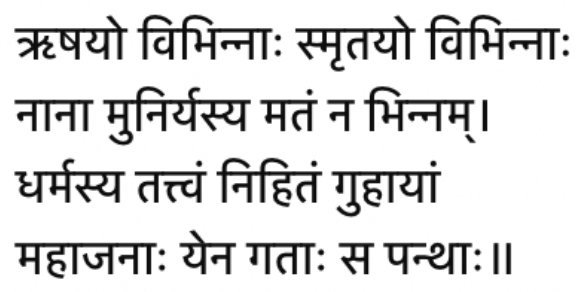
This verse reveals the diversity of wisdom, acknowledging that each sage, each spiritual teacher, brings a unique understanding. True dharma—our essential righteousness—is not merely a doctrine or an external truth, but a deeply hidden essence, veiled within the “cave” of our innermost consciousness. Maharshi Ved Vyasa’s words encourage a journey inward, toward this “cave of the heart” or Hrid Gohobor, where true understanding awaits. This journey transcends intellect, language, and worldly learning; it is an encounter with a wisdom that rests quietly within our being, capable of bringing us profound peace, joy, and liberation beyond material pleasure.
This introspective journey finds resonance in the teachings of Lord Krishna in the Bhagavad Gita, Chapter 15, Verses 5, where he describes the state of the liberated soul:
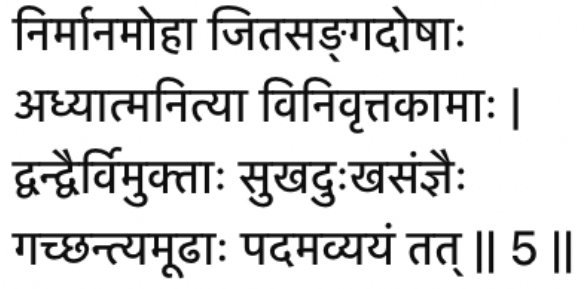
“Those who are free from pride and delusion, who have overcome the bondage of attachment, who constantly dwell in the self, and are free from desires, transcending the dualities of pleasure and pain—such liberated souls attain My eternal abode.”
As we light diyas and celebrate this Diwali, we are reminded that true prosperity and enlightenment are not bound by external success or material wealth; they are illuminated from within. Diwali encourages us to seek this inner light, a state free from ego and attachment, where peace and unity prevail, untouched by the dualities of pleasure and pain. This inner illumination is the essence of Diwali’s symbolism, guiding us toward an eternal light that reflects spiritual awakening.
In closing, the ancient invocation from the Upanishads beautifully captures this journey from ignorance to knowledge, from darkness to light:
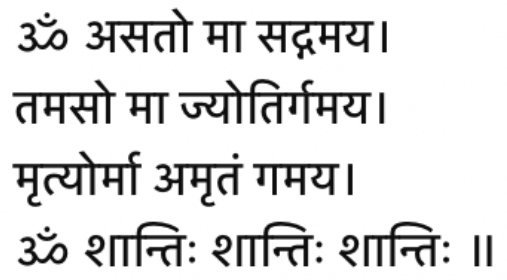
“Lead us from untruth to truth, from darkness to light, and from mortality to immortality. Aum, peace, peace, peace.”
May this Diwali be a celebration that leads each of us toward this inner sanctum of wisdom, where scientific insight and spiritual understanding converge, offering a path to wholeness, harmony, and lasting joy. By embracing this festival as both a cultural and spiritual journey, we honor the essence of Diwali as a source of holistic well-being—a light that transcends boundaries, cultures, and time, illuminating the world from within.
References:
- Keng SL, Smoski MJ, Robins CJ. Effects of mindfulness on psychological health: a review of empirical studies. Clin Psychol Rev. 2011 Aug;31(6):1041-56. doi: 10.1016/j.cpr.2011.04.006. Epub 2011 May 13.
- Diniz G, Korkes L, Tristão LS, Pelegrini R, Bellodi PL, Bernardo WM. The effects of gratitude interventions: a systematic review and meta-analysis. Einstein (Sao Paulo). 2023 Aug 11;21:eRW0371. doi: 10.31744/einstein_journal/2023RW0371.
- Jones C, Barrera I, Brothers S, Ring R, Wahlestedt C. Oxytocin and social functioning. Dialogues Clin Neurosci. 2017 Jun;19(2):193-201. doi: 10.31887/DCNS.2017.19.2/cjones.
- Silva AI, Direito M, Pinto-Ribeiro F, Ludovico P, Sampaio-Marques B. Effects of Intermittent Fasting on Regulation of Metabolic Homeostasis: A Systematic Review and Meta-Analysis in Health and Metabolic-Related Disorders. J Clin Med. 2023 May 26;12(11):3699. doi: 10.3390/jcm12113699.
- Vasim I, Majeed CN, DeBoer MD. Intermittent Fasting and Metabolic Health. Nutrients. 2022 Jan 31;14(3):631. doi: 10.3390/nu14030631.
- Lee CF, Tang SM. What Type of Housework Happiness Do You Prefer? Does Gender and Health Matter? A Taiwanese Study. Int J Environ Res Public Health. 2022 Jul 9;19(14):8409. doi: 10.3390/ijerph19148409.
- Tarzian M, Ndrio M, Fakoya AO. An Introduction and Brief Overview of Psychoanalysis. Cureus. 2023 Sep 13;15(9):e45171. doi: 10.7759/cureus.45171.
- Ladkin D, Spiller C, Craze G. The journey of individuation: A Jungian alternative to the theory and practice of leading authentically. Leadership. 2018;14(4):415-434. doi:10.1177/1742715016681942
- Yu-Zhu, C., Yu-Jie, C., Shi-Lin, L. et al. Model of black hole and white hole in Minkowski spacetime. Eur. Phys. J. C 81, 1107 (2021). https://doi.org/10.1140/epjc/s10052-021-09901-3
- 10.Sayadmansour A. Neurotheology: The relationship between brain and religion. Iran J Neurol. 2014;13(1):52-5. PMID: 24800050; PMCID: PMC3968360.
- 11.Chou T, Deckersbach T, Dougherty DD, Hooley JM. The default mode network and rumination in individuals at risk for depression. Soc Cogn Affect Neurosci. 2023 Jun 12;18(1):nsad032. doi: 10.1093/scan/nsad032.
- 12.Samajdar SS, Mukherjee S, Ghosh A, Joshi S, Tripathi SK. Effect of Gayatri Mantra chanting on attention, memory, anxiety and mental state in young athletes: a prospective study. Int J Curr Res Physiol Pharmacol. 2020;4(3):5-7. doi:10.31878/ijcrpp.2020.43.02
- 13.Samajdar SS, Joshi SR, Mukherjee S, Samajdar S, Moitra S, Dutta RN. Evaluating the impact of Gayatri Mantra chanting and meditation on treatment outcomes in patients with chronic spontaneous urticaria: a prospective study. Aesthet Int. 2024;2(1):28-33. doi:10.4103/ASIL.ASIL_5_24
- 14.Álvarez-Pérez Y, Rivero-Santana A, Perestelo-Pérez L, Duarte-Díaz A, Ramos-García V, Toledo-Chávarri A, Torres-Castaño A, León-Salas B, Infante-Ventura D, González-Hernández N, Rodríguez-Rodríguez L, Serrano-Aguilar P. Effectiveness of Mantra-Based Meditation on Mental Health: A Systematic Review and Meta-Analysis. Int J Environ Res Public Health. 2022 Mar 13;19(6):3380. doi: 10.3390/ijerph19063380.
- 15.Duffy JF, Czeisler CA. Effect of Light on Human Circadian Physiology. Sleep Med Clin. 2009 Jun;4(2):165-177. doi: 10.1016/j.jsmc.2009.01.004.
- 16.Van Drunen R, Eckel-Mahan K. Circadian rhythms as modulators of brain health during development and throughout aging. Front Neural Circuits. 2023 Jan 19;16:1059229. doi: 10.3389/fncir.2022.1059229.
- 17.Davis MC. Building Emotional Resilience to Promote Health. Am J Lifestyle Med. 2009;3(1 Suppl.):60S-63S. doi: 10.1177/1559827609335152.
Discover CME INDIA

- Explore CME INDIA Repository
- Examine CME INDIA Case Study
- Read History Today in Medicine
- Register for Future CMEs
I liked the article Illuminating Wellness Diwali.Good information and analysis