
CME INDIA Presentation by Dr. Parimal Swamy, M.D., Diploma in Preventive Care, WHO Accredited Diploma in Diabetes CareConsultant Physician & Chief of Diabetes Care, Jabalpur Hospital & Research Centre, Director Apollo Diabetes & Asthma Care Centre, Jabalpur (MP).
Concept of Glycemic Index & Glycemic Load
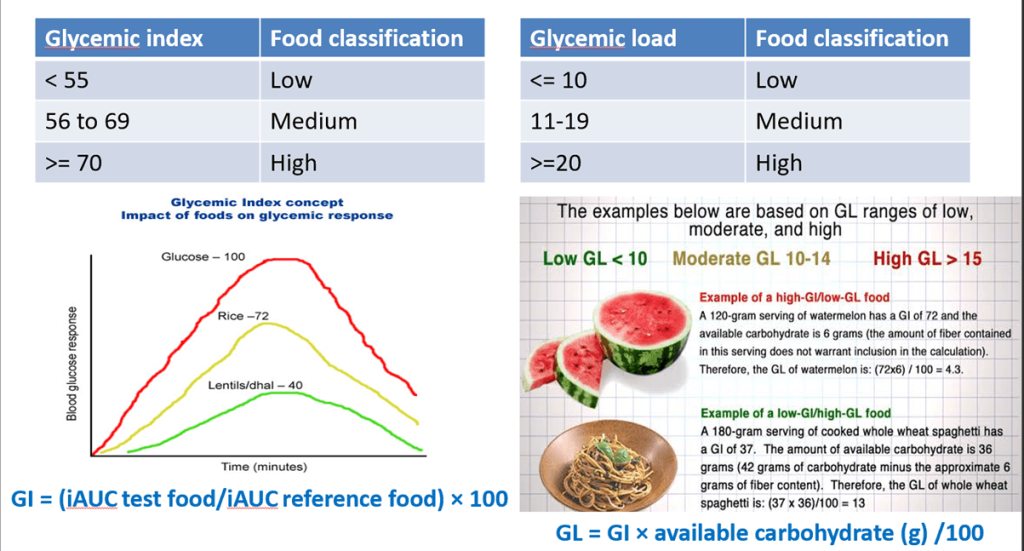
- Glycemic index is defined as blood glucose response of a food containing 50 grams of available carbohydrate as incremental area under the curve (iAUC) over a period of two hours. The GI value is expressed as the percentage of ratio of iAUC of test food and 50 grams of reference food (usually glucose solution or white bread).
- GI = (iAUCtest food/iAUCreference food) × 100.
- Glycemic load accounts for the amount of carbohydrate in the food and howeach gram of carbohydrate in the food raises blood glucose levels.
- GL = GI × available carbohydrate (g) /100.
Concept of Glycemic Index & Glycemic Load
Impact of Glycemic Index & Glycemic Load on Cardio-Metabolic Health
Glycemic excursion after nutrient load is positively associated with-
| Oxidative stress |
| Inflammation (CRP) |
| Lipemia (Triglycerides) |
| Endothelial dysfunction (impaired FMD) |
| Progression of atherosclerosis |
| (Many of these abnormalities appear in non-diabetic glycemic (high normal) range!) |
Impact of Glycemic Index & Glycemic Load on Coronary Heart Disease
- First meta-analysis to examine the role of CHO, GI & GL in progression from health to coronary heart disease (CHD).
- Strong and probably causal CHD-GL and GI risk relation exists within populations.
- Relative Risk of 1.44 per 65 gm of GL/day & 1.24 per 10 unit of GI.
- Carbohydrate with a GI of greater than 50 was a strong risk factor for CHD.
Carbohydrate Consumption: India
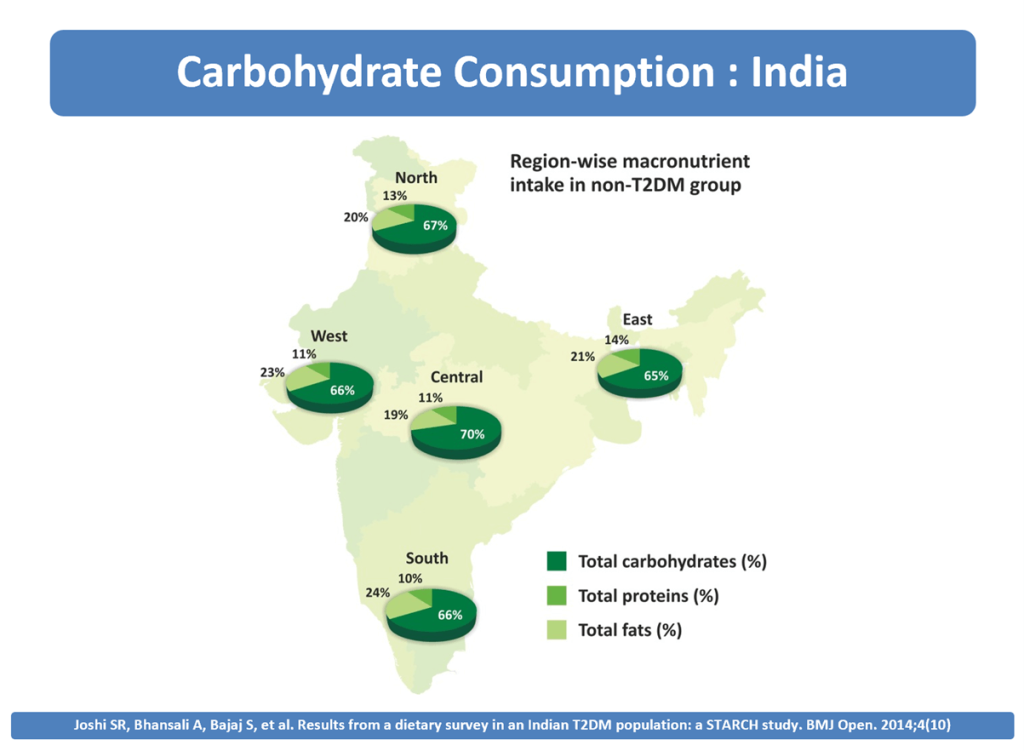
Joshi SR, Bhansali A, Bajaj S, et al’ study shows that CHO constitutes 64.1% of total energy from diet in T2DM participants, higher than that recommended in India.
Rationale for Controlling Glycemic Index & Glycemic Load of Indian Cuisine
- High GI/GL food and postprandial hyperglycemia (PPHG) is associated with adverse outcome and complications in diabetes.
- High GI/GL diets are implicated in the development and progression of coronary artery disease in non-diabetic subjects.
- Potential for amelioration of diabetes related complications by controlling PPHG.
- Reduction of GI/GL may prove an important intervention for prevention of diabetes related complications and as a public health enhancing measure.
Basic Principles of Glycemic Response Modulating Strategy
- Behavioral science studies – Difficult to change food habits.
- Strategies for reducing GI/GL without changing the texture and palatability of food.
- Focusing on major sources of high GI carbohydrates – Cereals (mainly wheat and rice) & deserts.
- Increasing low/no carbohydrate nutrients.
- Adding palatable glycemic stabilizers.
- Using low glycemic meals strategically.
Rice (GI=73)
- Many varieties of specially cultivated rice claiming to have GI of less than 60 but lacking scientific evidence.
- Brown rice has a GI of 68 (high medium) – Cost and palatability!?
- Special breeding techniques can produce rice with low GI. One such high fiber white rice developed in India has GI of 61 (medium). This high fiber rice has scientific validation with no palatability issue.
- Storing cooked white rice for 24 hours at 4°C & then reheating it before consumption results in 1.7 times less GI with better palatability.
Indian Flat Bread (Chapatti/Roti) (GI=63)
- Enriching/replacing cereal(wheat) from bread.
- ‘Enriched’ wheat flour chapatti has low GI (41.49) and low GL (7.38) as compared to usual chapatti (GI=63.8 & GL=11.05).
- Requires preparation – soaking, germinating, drying, powdering and roasting of constituents (methi seed powder, bengal gram, bengal gram dal powder & spice mix !).
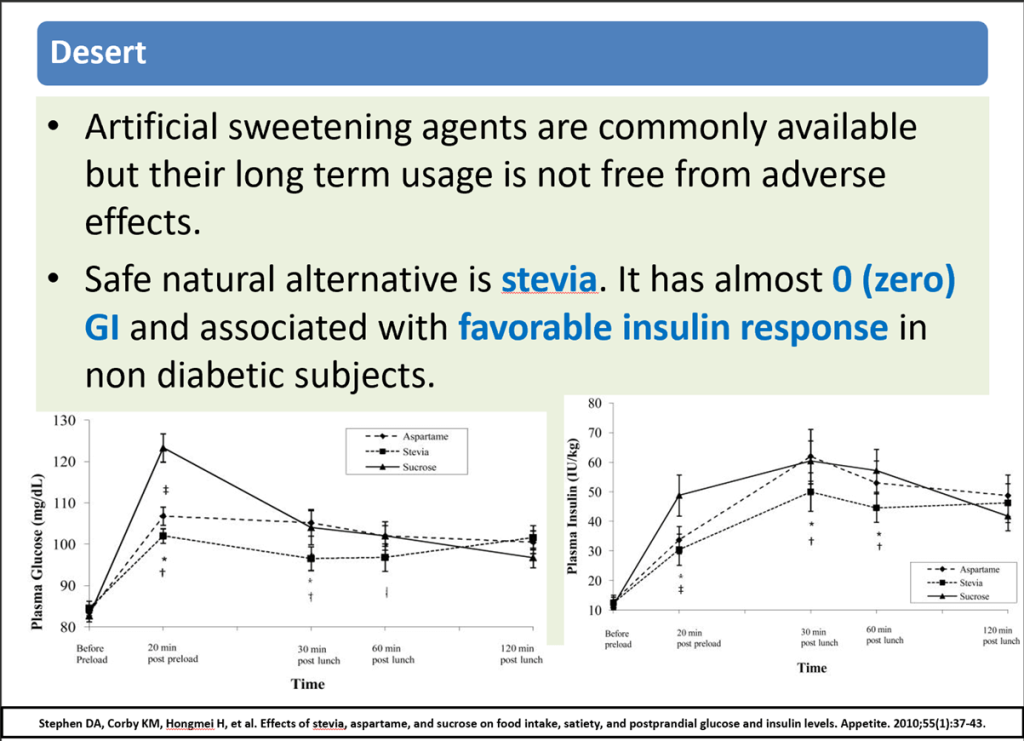
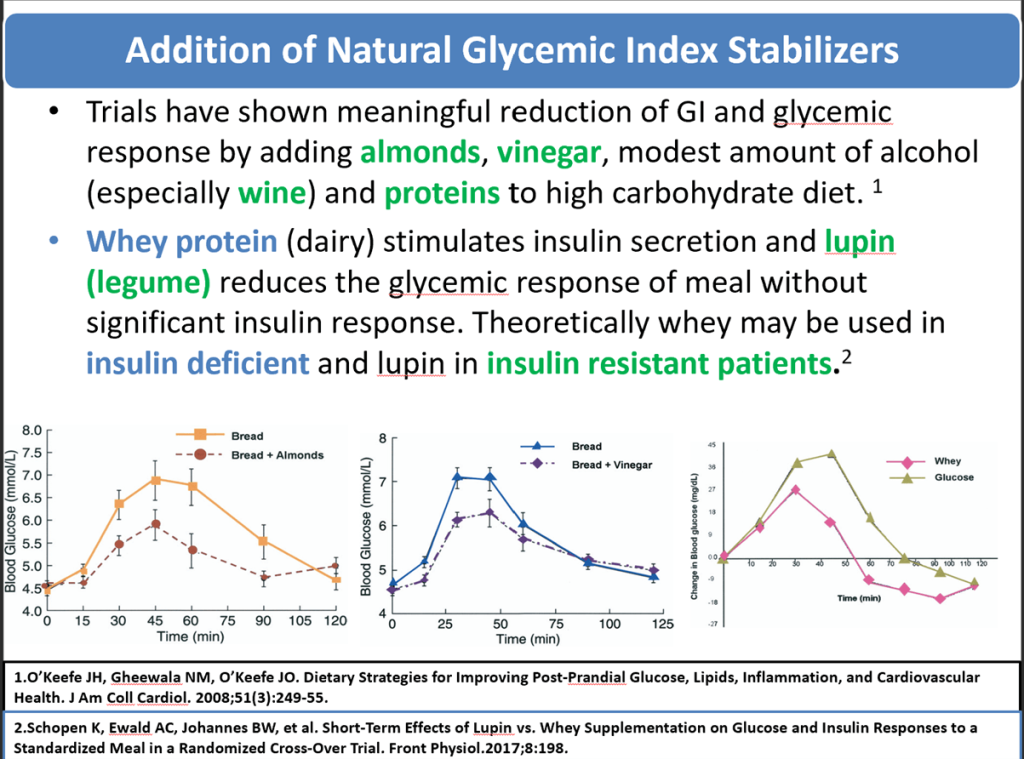
Manipulating the Sequence of Food Consumption
- Fibers in natural food affect the digestion of carbohydrate. Eating vegetable first (500 gm) leads to significantly lower glycemic excursion (approx. 35 % less iAUC) of subsequent carbohydrate containing meal in both diabetic and non-diabetic subjects.
- Combination of fat and protein preload (25 gm fat & 15 gm protein) reduces the glycemic response (30-50% in glucose peak & ≈30-50% overall excursion) of the subsequent meal. Preloading with fat and proteins has favorable effect on stomach emptying, beta cell function and incretin secretion.
Second Meal Effect
- Glycemic Index of one meal can influence the GI of next meal. Eating foods with low GI (≈50) and indigestible carbohydrates can reduce glycemic responses of next meal.
- Mechanisms responsible – presence of indigestible fibers, production of lactic acid, reduction of free fatty acids, better insulin action and incretin effect. Low GI meal can favorably influence the blood sugar of next meal taken after four hours in diabetic subjects. In non-diabetic subjects low GI dinner can reduce the glycemic excursion of next day breakfast.
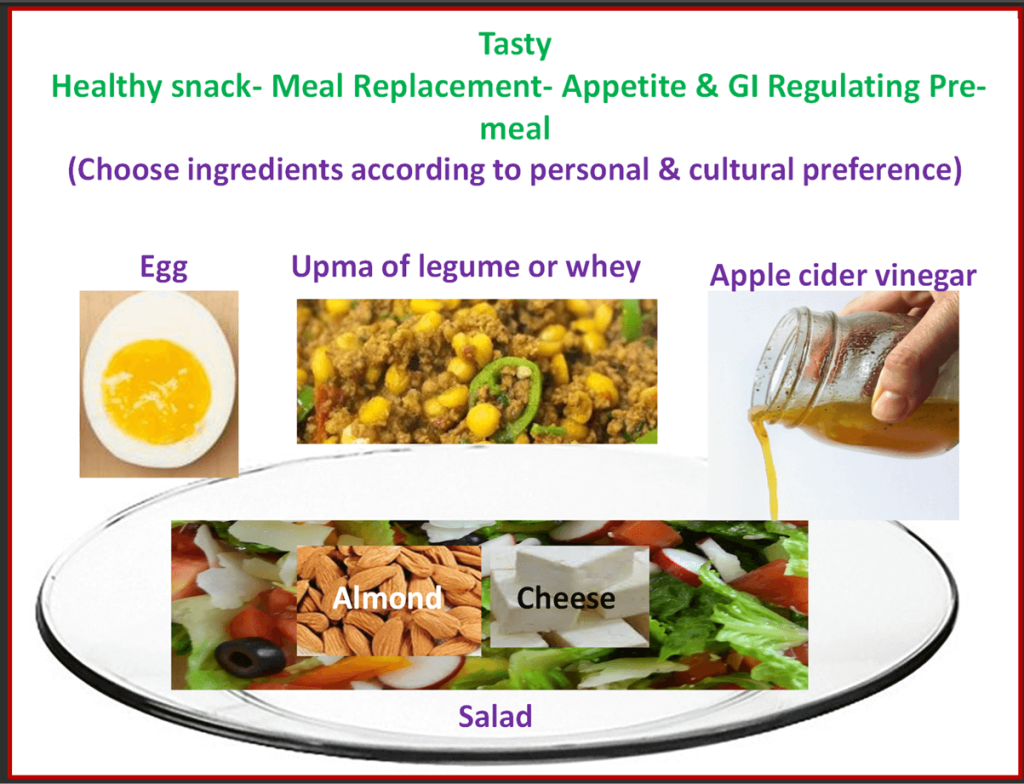
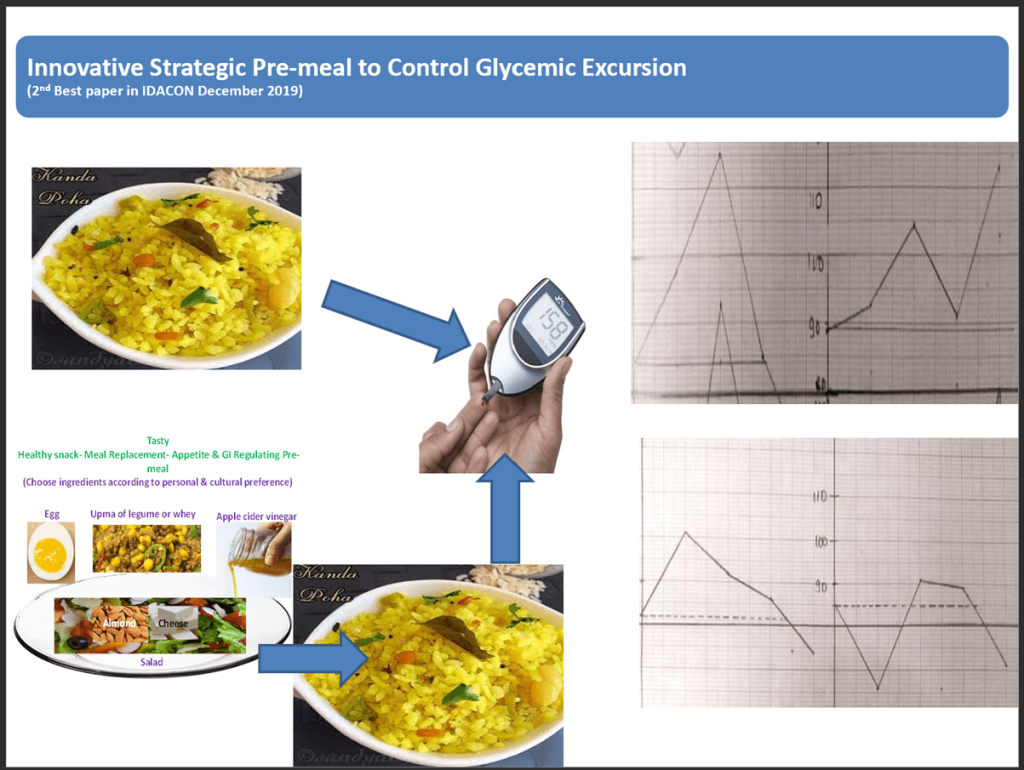
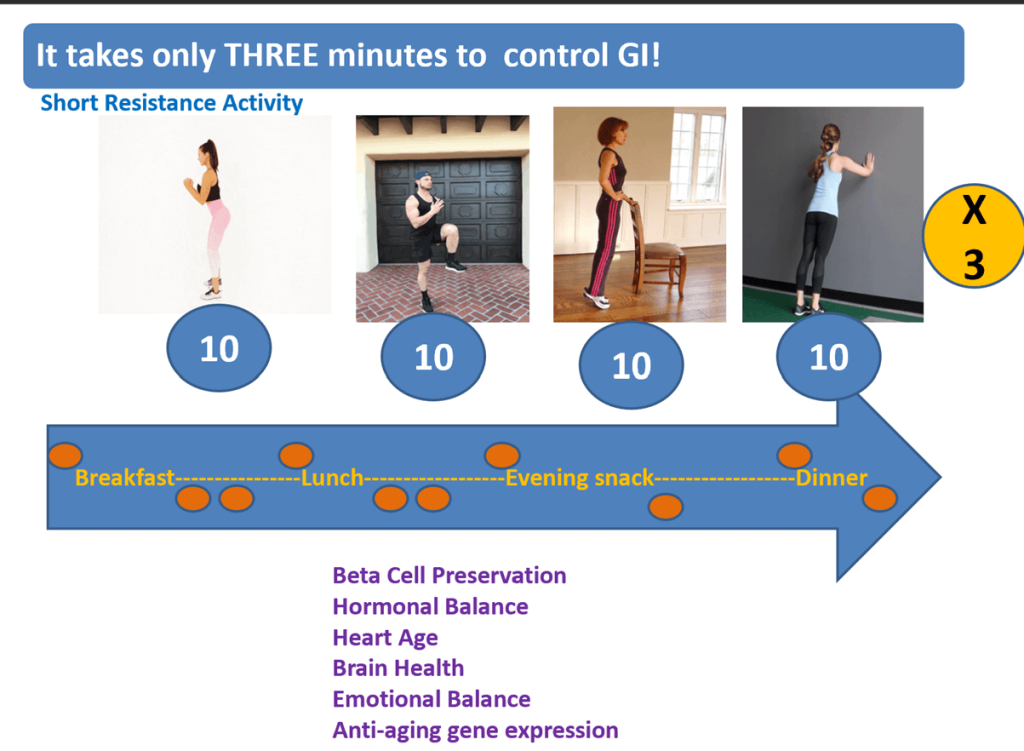
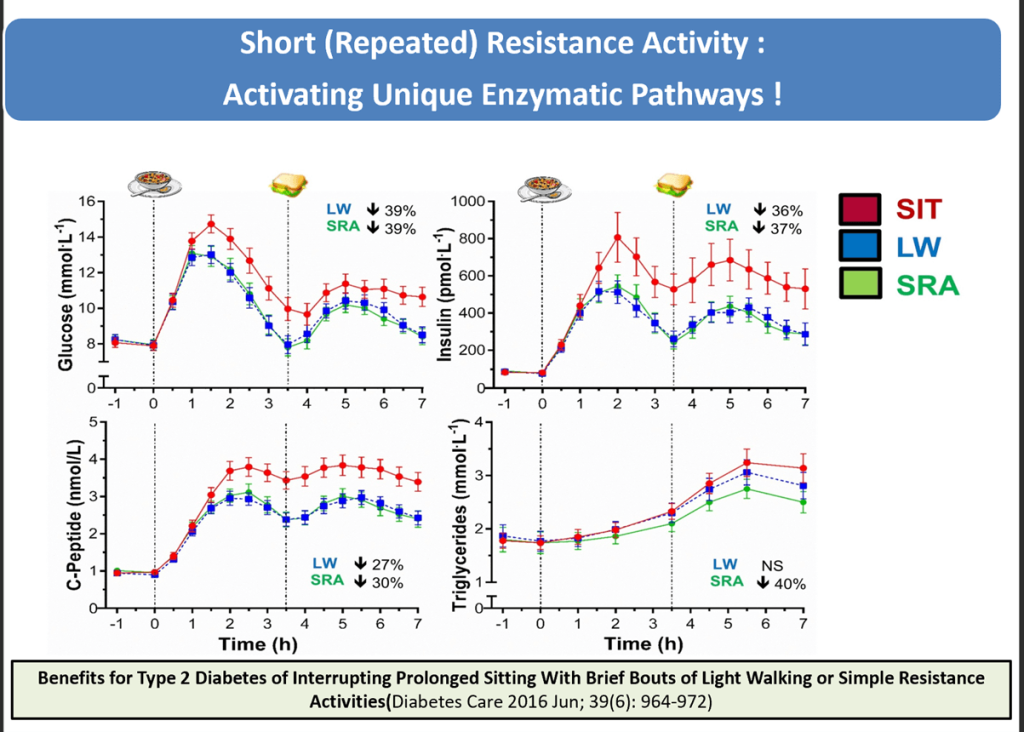
Glycemic Index in the Era of Personalized Medicine
- Different subjects have different glycemic response to same food (having different GI for same food).
- Anthropometric parameters, dietary history, micriobiome properties from stool samples, genotyping and continuous glucose monitoring data of few hundred individuals are fed to special computer program which can recognize subtle patterns and makes algorithm to predict glycemic response. (Precision medicine approach).
- Once the machine (computer) learns the pattern it is possible to predict glycemic response at community level to classify food into ‘good’ and ‘bad’ with fecal microbiom sample, anthropometric data and basic genetic analysis.
CME INDIA Tail Piece
Revisiting Ancient Vedic Wisdom
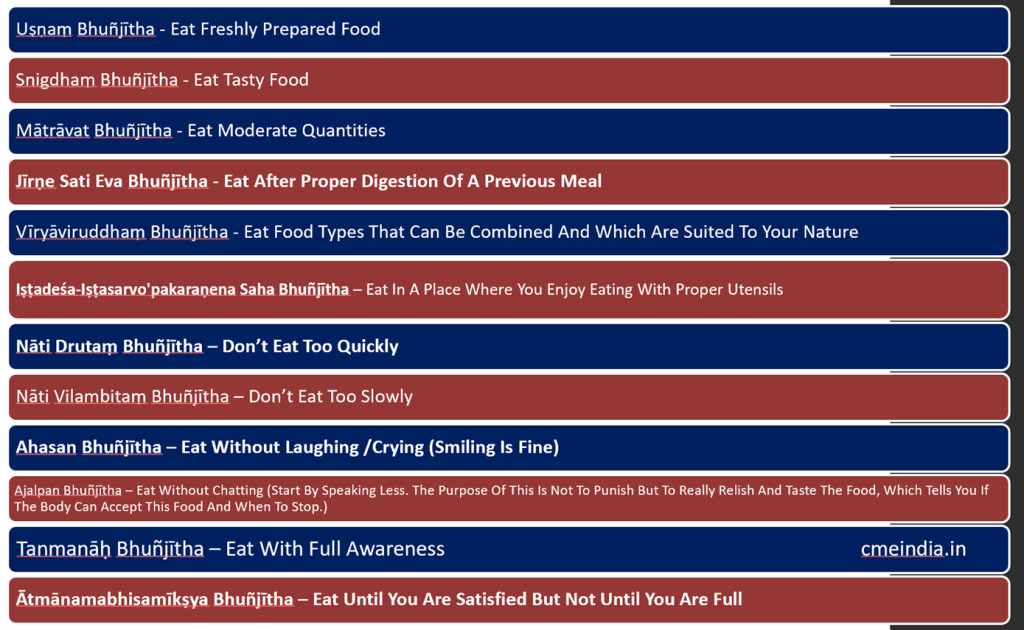
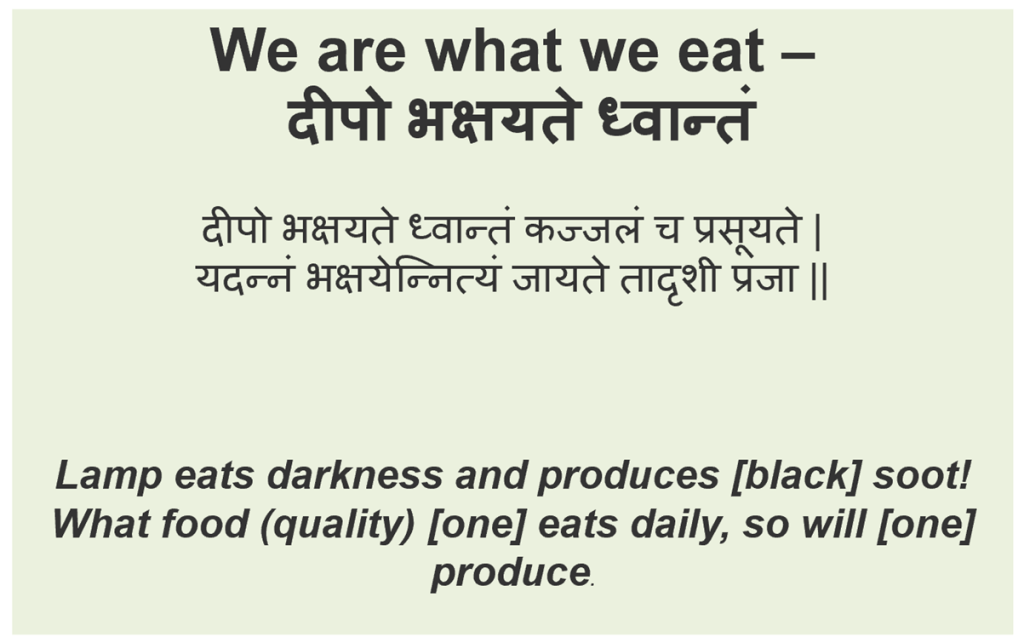
References:
- O’Keefe JH, Gheewala NM, O’Keefe JO. Dietary Strategies for Improving Post-Prandial Glucose, Lipids, Inflammation, and Cardiovascular Health. J Am Coll Cardiol. 2008;51(3):249-55.
- Livesey G, Livesey H. Coronary Heart Disease and Dietary Carbohydrate, Glycemic Index, and Glycemic Load: Dose-Response Meta-analyses of Prospective Cohort Studies. Mayo Clin Proc Innov Qual Out. 2019;3(1):52-69.
- Joshi SR, Bhansali A, Bajaj S, et al. Results from a dietary survey in an Indian T2DM population: a STARCH study. BMJ Open. 2014;4(10)
- Mohan V, Anjana RM, Gayathri R, et al. Glycemic Index of a Novel High-Fiber White Rice Variety Developed in India—A Randomized Control Trial Study. Diabetes Technol Ther. 2016;18(3):164-70.
- Lu LW, Venn B, Lu J, et al. Effect of Cold Storage and Reheating of Parboiled Rice on Postprandial Glycaemic Response, Satiety, Palatability and Chewed Particle Size Distribution. Nutrients. 2017;9(5):475.
- Ankita M, Yenagi NB, Kasturba B. Designing of low glycaemic chapati of dicoccum wheat for the effective management of diabetes. Karnataka J Agric Sci. 2010;23(3):476-9
- Stephen DA, Corby KM, Hongmei H, et al. Effects of stevia, aspartame, and sucrose on food intake, satiety, and postprandial glucose and insulin levels. Appetite. 2010;55(1):37-43.
- O’Keefe JH, Gheewala NM, O’Keefe JO. Dietary Strategies for Improving Post-Prandial Glucose, Lipids, Inflammation, and Cardiovascular Health. J Am Coll Cardiol. 2008;51(3):249-55.
- Schopen K, Ewald AC, Johannes BW, et al. Short-Term Effects of Lupin vs. Whey Supplementation on Glucose and Insulin Responses to a Standardized Meal in a Randomized Cross-Over Trial. Front Physiol.2017;8:198.
- Combination of fat and protein preload(25 gm fat & 15 gm protein) reduces the glycemic response (30-50% in glucose peak & ≈30-50% overall excursion)of the subsequent meal. Preloading with fat and proteins has favorable effect on stomach emptying, beta cell function and incretin secretion.
- Monnier L, Bonnet F, Colette C. Tailoring nutrient sequence and content to improve glucose tolerance: Why and how to do it? Diabetes Metab.2016;42:211-4.
- Benefits for Type 2 Diabetes of Interrupting Prolonged Sitting With Brief Bouts of Light Walking or Simple Resistance Activities (Diabetes Care 2016 Jun; 39(6): 964-972
- Noecker C, Borenstein E. Getting Personal about Nutrition. Trends Mol Med. 2016;22(2):83-5
Discover CME INDIA

- Explore CME INDIA Repository
- Examine CME INDIA Case Study
- Read History Today in Medicine
- Register for Future CMEs