

CME INDIA Presentation by Dr. N. K. Singh, MD, FICP, FACP, FRSSDI, National EC Member, RSSDI, Editor: CME INDIA, Director, Diabetes & Heart Research Centre, Dhanbad, Jharkhand, Bharat.
Based on a presentation at Annual ACP Conference, 16 -18 August, Lucknow.
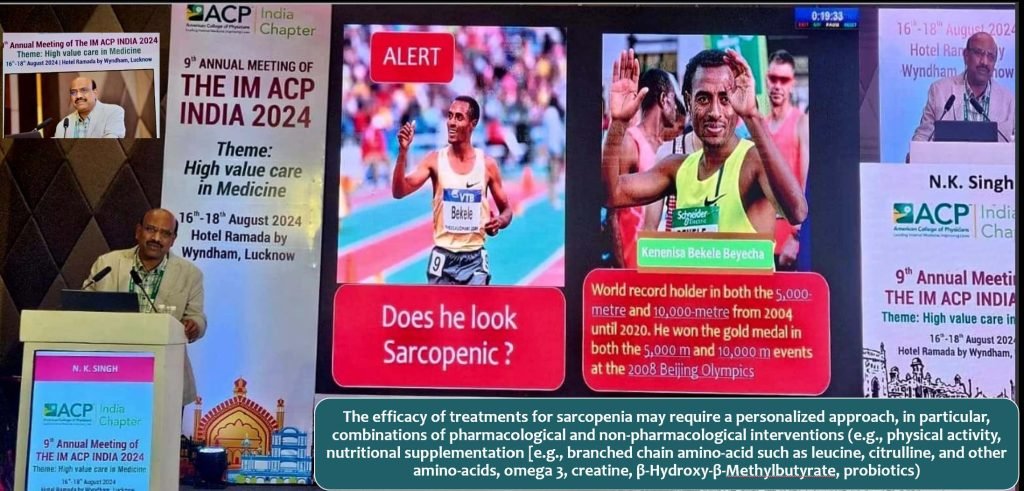
Sarcopenia and the revision of a newly recognized disease
- Sarcopenia, derived from the Greek words *sarx* (meaning “flesh”) and *penia* (meaning “poverty”), refers to a “poverty of flesh.”
- Initially described in the 1980s, it was recognized as an age-related decline in lean body mass that impacts mobility, nutritional status, and independence.
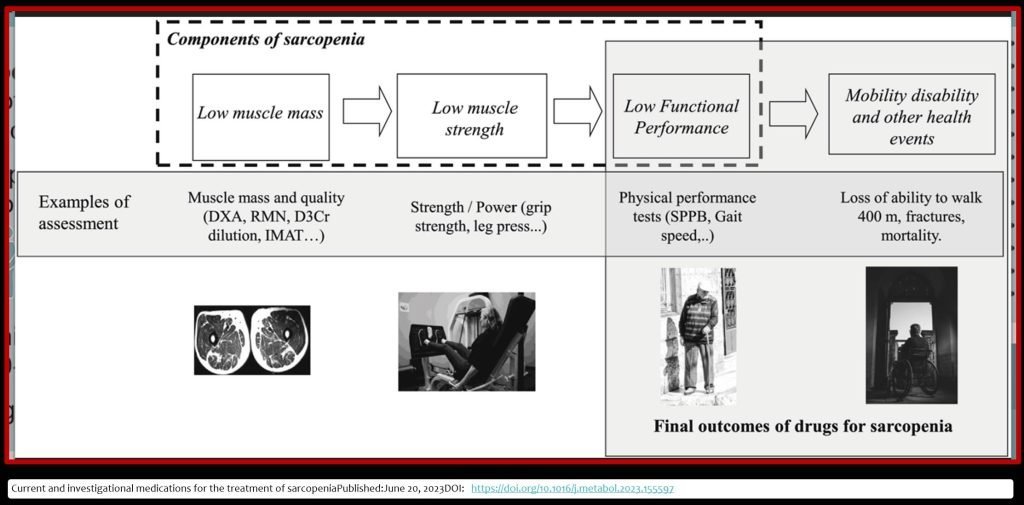
- The definition has since evolved to include muscle function, encompassing physical performance, muscle strength, and muscle power, which are stronger predictors of clinically relevant outcomes than muscle mass alone.
- Sarcopenic obesity is defined as the coexistence of sarcopenia and obesity in the same individual, characterized by of the co-presence of body fat accumulation and muscle loss. This condition is currently a major concern as it is associated with frailty and disabilities such as cardiovascular disease, fractures, dementia, cancer, and increased all-cause mortality.
(Front Endocrinol (Lausanne). 2023; 14: 1185221.
Recognizing sarcopenia
- In 2019, the Asian Working Group for Sarcopenia (AWGS 2019) released a consensus paper outlining updated guidelines for the diagnosis and treatment of sarcopenia. This publication emphasized the importance of early detection and comprehensive management strategies. It provided a standardized approach tailored to the Asian population, incorporating criteria for assessing muscle mass, muscle strength, and physical performance. The AWGS 2019 recommendations have been influential in refining clinical practice and promoting awareness of sarcopenia as a significant health concern in aging populations.
- Globally, the prevalence of sarcopenia varies by setting and population. It is estimated to affect between 8.4% and 27.6% of older adults living in the community. Among residents in long-term care facilities, the prevalence is higher, ranging from 14% to 33%.In the acute hospital care population, approximately 10% of individuals are affected by sarcopenia. These figures highlight the widespread impact of sarcopenia, especially among more vulnerable older populations.
- Sarcopenia is more common in men than in women and becomes more prevalent with increasing age. Additionally, Asians with a low body mass index (BMI) have been found to be at higher risk for developing sarcopenia.
- The most cited definition sarcopenia is one proposed by the European Working Group on Sarcopenia in Older People:
- “A progressive and generalized skeletal muscle disorder involving the accelerated loss of muscle mass and function that is associated with increased adverse outcomes including falls, fractures, disability, and mortality.”
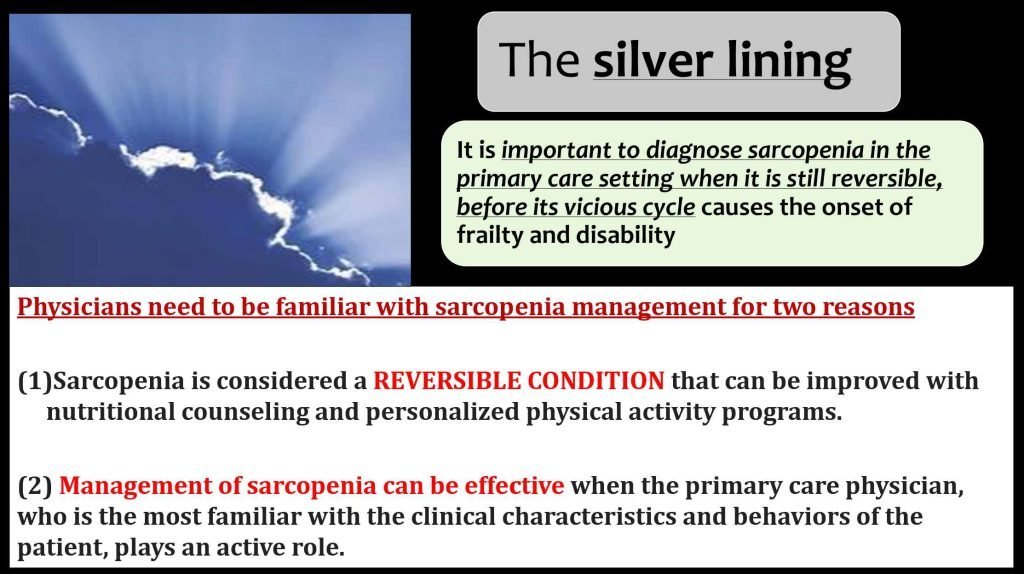
Preventable: But diagnose Early
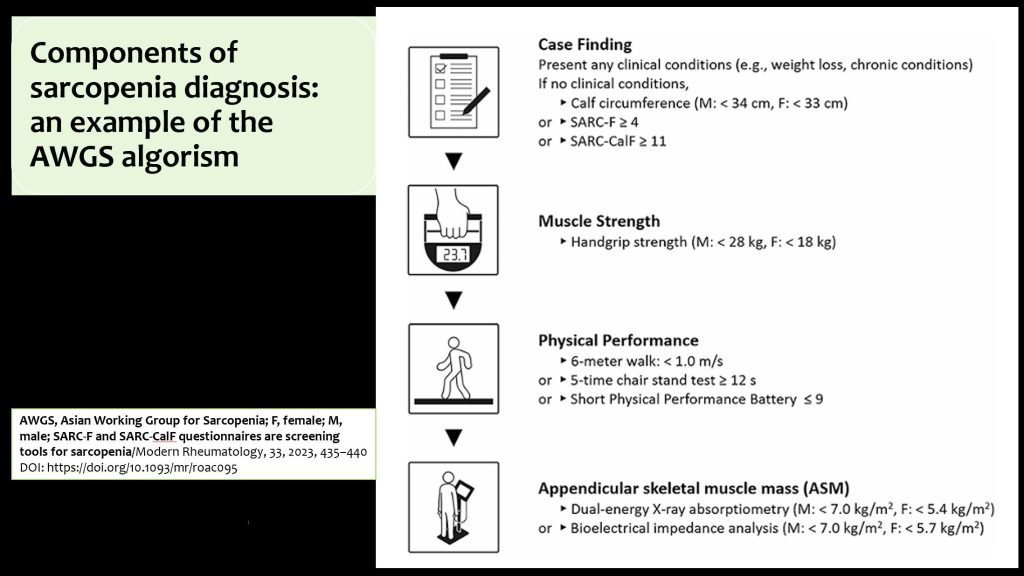
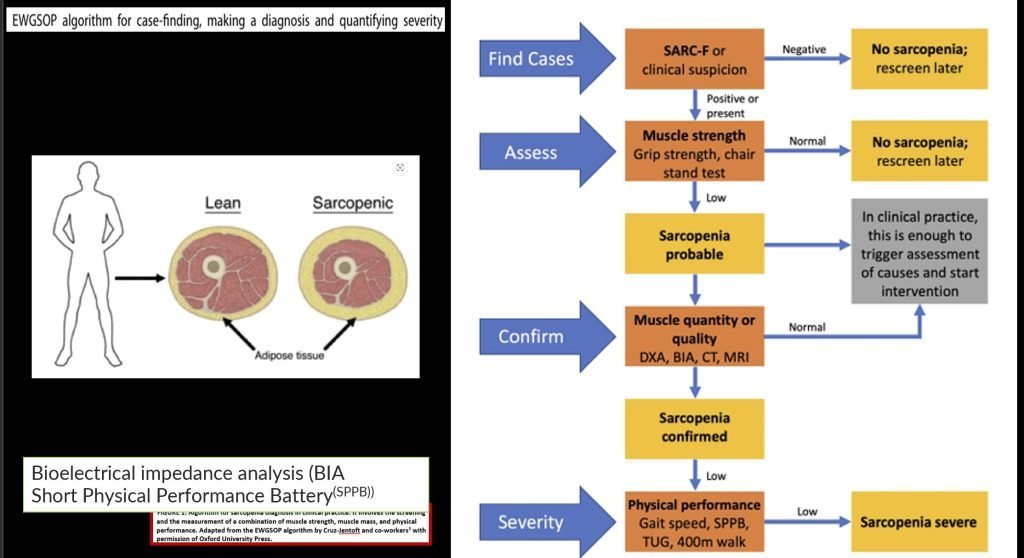
Components of sarcopenia diagnosis: an example of the AWGS algorism
Two categories of sarcopenia ‒ primary and secondary
- Sarcopenia can be categorized as age-related (primary) when no specific underlying cause is identified, or as secondary when factors other than aging contribute to its development.
- Contributors to secondary sarcopenia may include physical inactivity due to limited mobility, disease-related bedrest, or a sedentary lifestyle. Poor nutrition, such as undernutrition, inadequate energy or protein intake, difficulty eating, malabsorption, or anorexia, can also play a role. Additionally, systemic diseases, including inflammatory conditions (e.g., osteoarthritis, organ failure) or neurological disorders, can lead to sarcopenia.
- Sarcopenia is further classified into acute or chronic subcategories. Acute sarcopenia lasts less than 6 months and is typically linked to an injury or illness. Chronic sarcopenia persists for more than 6 months and is often associated with progressive health conditions.
Sarcopenia diagnosis
SARC-F (strength, assistance with walking, rising from a chair, climbing stairs, and falls) questionnaire
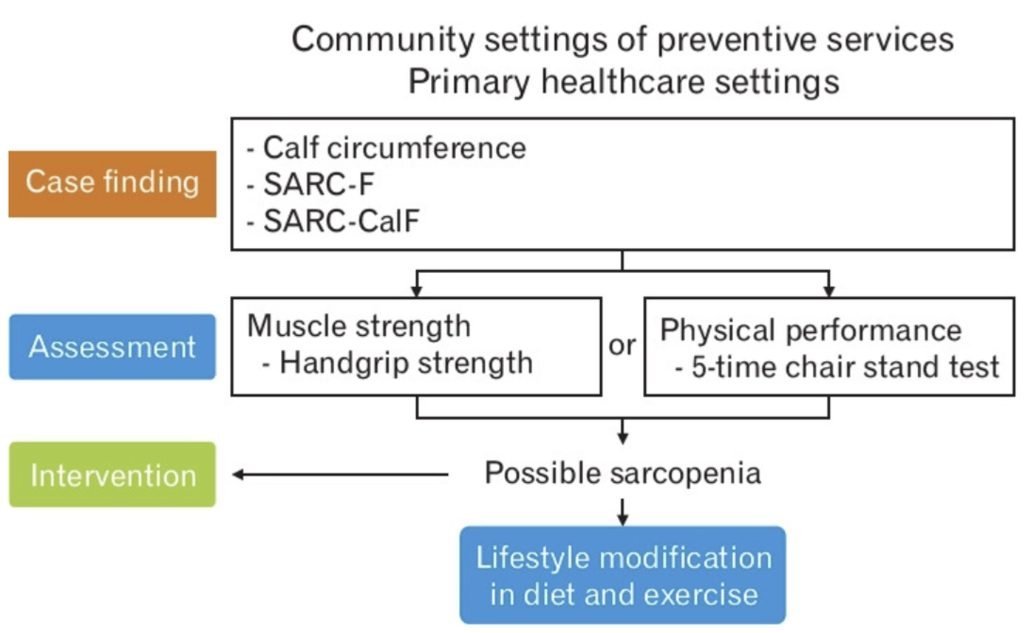
- For case-finding in “possible sarcopenia,” AWGS 2019 recommends using either calf circumference (CC) or the SARC-F (strength, assistance with walking, rising from a chair, climbing stairs, and falls) questionnaire.
- In predicting sarcopenia or low skeletal muscle mass, the recommended measurement of CC with the maximum value of both calves using a nonelastic tape has moderate to high sensitivity and specificity in predicting sarcopenia or low skeletal muscle mass.
- For screening or case finding, AWGS 2019 recommends – CC <34 cm for men and <33 cm for women.
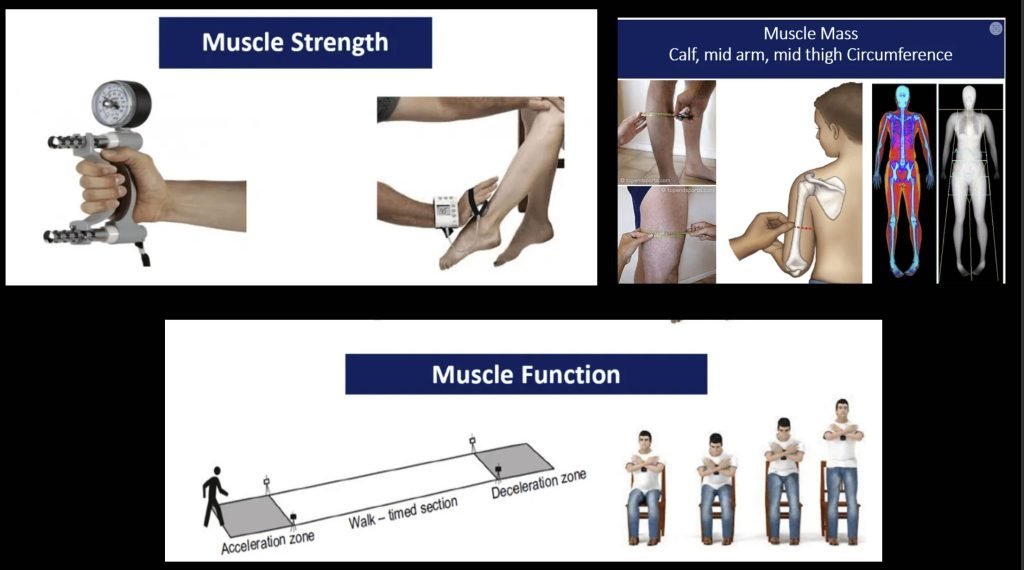
Sarcopenia Diagnosis: 2 out of 3 Criteria (Muscle Strength, Function, and Mass)
Clinical Assessment (Primary Diagnostic Approach)
| Muscle Strength |
| Hand grip strength |
| Lower limb strength |
| Muscle Function |
| Walking speed |
| Sit-to-stand test |
| Chair stand test |
| Short Physical Performance Battery (SPPB) |
| Muscle Mass |
| Anthropometric measurements |
| CC (Calf Circumference)/MAC (Mid-Arm Circumference)/Thigh circumference |
| BMI/Waist circumference |
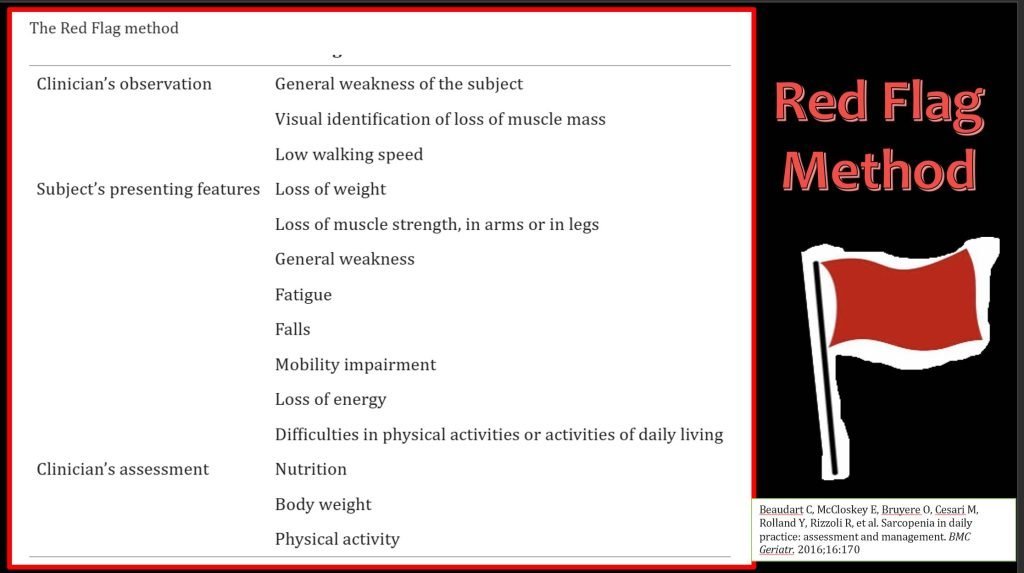
Red Flag Method
Clinic Based Approaches
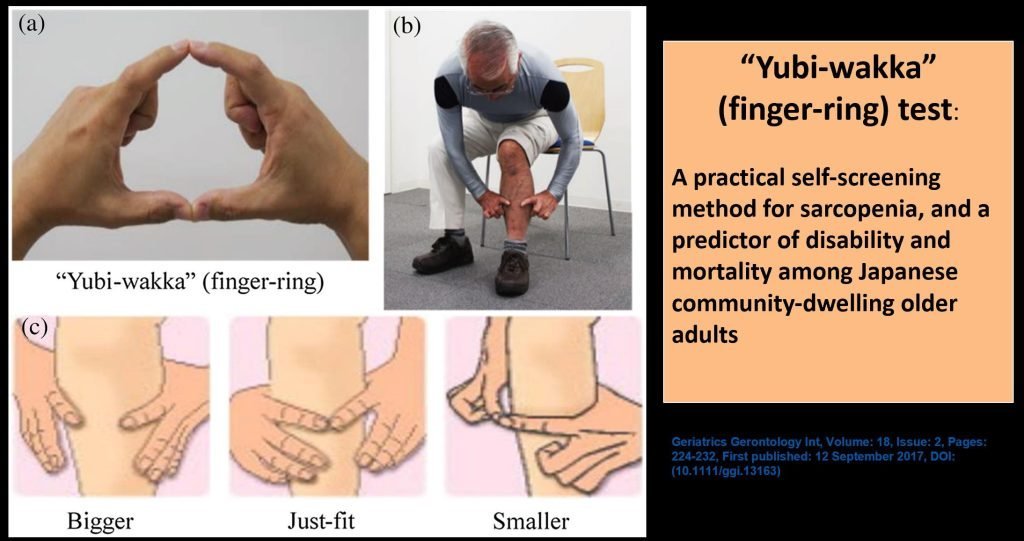
A very simple and Practical Approach
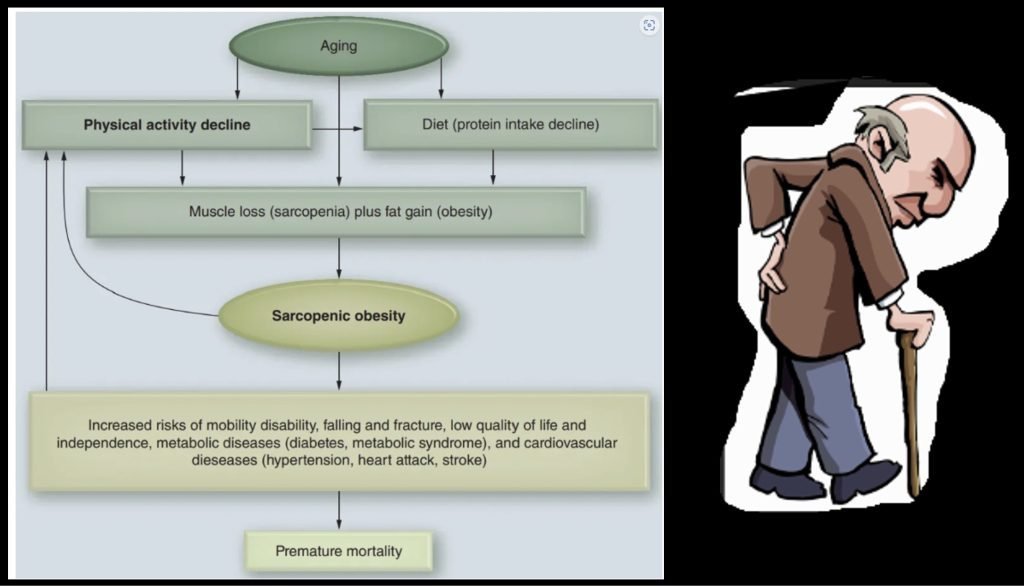
Malnutrition and sarcopenia, a vicious circle
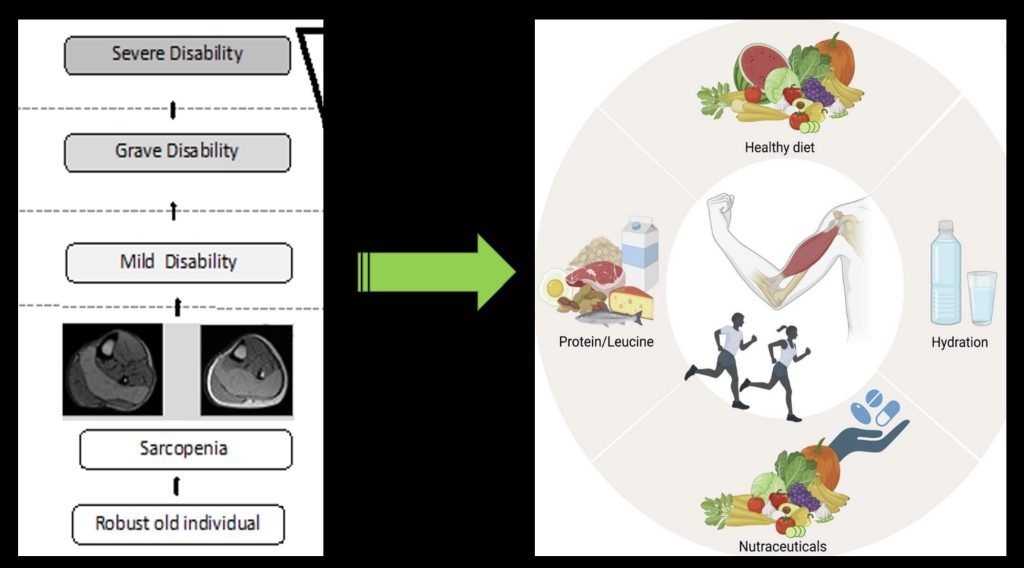
Potential interventions in sarcopenia
- A dietary plan to combat sarcopenia should supply adequate calories, meet the appropriate nutrient requirements based on individual factors (such as age, sex, existing health conditions, concurrent treatments, and physical activity level), be given at the right time, and be maintained for a sufficient duration to positively impact muscle health.
- Older adults who follow higher-quality diets exhibit lower levels of inflammatory and cardiometabolic risk markers and face a reduced risk of adverse health outcomes. These include fewer limitations in daily activities, a lower incidence of depression, and decreased mortality rates compared to those with lower diet quality scores.
- The most effective nutritional strategy for preventing skeletal muscle loss in clinical populations involves high-quality, protein-enriched oral supplements, which have shown significant benefits. These supplements help increase overall energy and protein intake without altering spontaneous food consumption, promoting weight gain in older adults both in hospital and community settings.
- Essential amino acids, particularly branched-chain amino acids, are vital for maintaining muscle health in older adults. Among them, leucine is especially important for improving sarcopenia in this population.
Probiotics, nitrate-rich foods, and nutraceuticals
- Gut microbiota play a crucial role in determining the metabolic pathways of various food-derived bioactive compounds, which may activate specific cellular pathways linked to the health benefits of high-quality diets and regular physical activity.
- Numerous nutraceuticals are being investigated for their potential effects on sarcopenia and their ability to influence multiple pathogenic pathways. These include resveratrol (found in grape skin), quercetin (from capers and red onion), ursolic acid (from apple peel and various herbs), urolithins (produced through the bacterial transformation of ellagitannins found in pomegranate), fisetin(present in strawberries), and nicotinamide riboside(a trace element in milk and a precursor to nicotinamide adenine dinucleotide [NAD]).
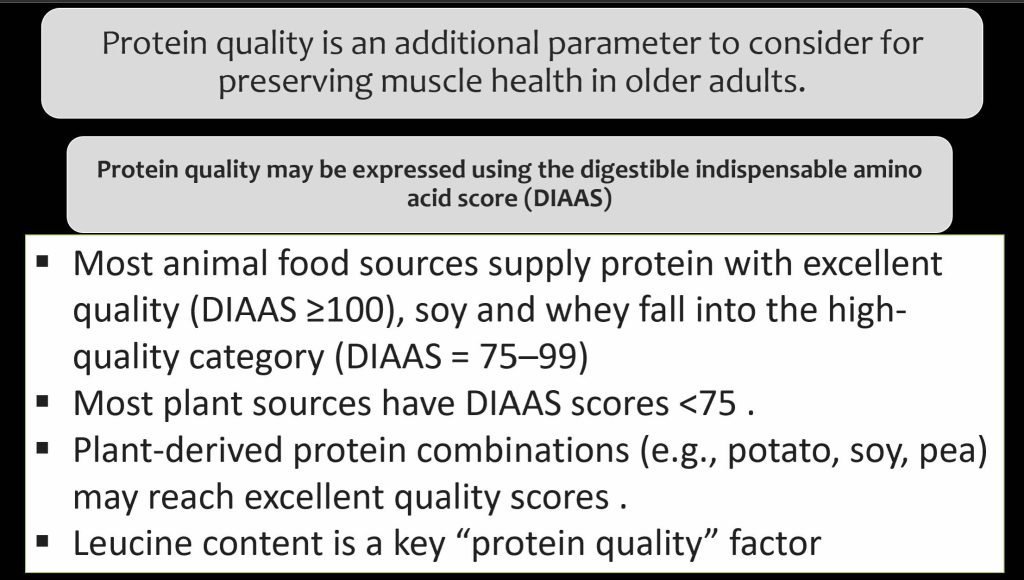
Current recommendations encourage older persons to ingest 25– 30 g of high-quality protein with at least 2.5 g leucine at each meal .
- Current evidence indicates that older adults should aim to consume 25-30 grams of high-quality protein, rich in leucine and essential amino acids, with each meal to support muscle health.
- Protein intake should be integrated into a comprehensive lifestyle plan that emphasizes physical activity, especially resistance training, as this is the primary anabolic trigger for muscle growth and the most effective method for maintaining muscle strength and function.
- It is also recommended that older adults consume protein-rich meals shortly before or after exercise. During periods of acute catabolism, such as bed rest due to illness, or when physical activity is not feasible, a higher protein intake is essential to safeguard skeletal muscle. If dietary protein intake falls short, protein or amino acid supplementation should be considered.
- Fish oil-derived, long-chain omega-3 polyunsaturated fatty acid supplementation has been shown to enhance muscle function and increase muscle mass in healthy older adults, making it a valuable therapeutic option for the prevention and treatment of sarcopenia.
- The anti-inflammatory properties of omega-3 fatty acids may help reduce muscle anabolic resistance in older adults.
- Ensuring adequate nutrition is crucial for older populations, highlighting the potential need for multivitamin and multimineral supplements. Many older adults, particularly those living alone, may struggle to consume the recommended five daily servings of fruits and vegetables, which can exacerbate the risk of sarcopenia.
Vitamin D intake as an important nutritional factor in the management of sarcopenia
- A serum vitamin D concentration below 30 nmol/L is associated with reduced muscle mass, diminished muscle strength, and impaired physical performance. The decline in the number of vitamin D receptors with age can further contribute to decreased muscle strength in older adults. Therefore, providing a protein-enriched oral nutritional supplement that includes vitamin D is crucial for supporting muscle health in older adults with sarcopenia.
- Overall, intervention trials indicate that supplementation with creatine, long-chain polyunsaturated fatty acids (PUFAs), and vitamin D can have beneficial effects on muscle mass, strength, and function, particularly in older adults who participate in resistance training.
- The PROVIDE study indeed highlights the benefits of vitamin D and leucine-enriched whey protein supplementation in improving muscle mass and lower-extremity function among older adults with sarcopenia. Sarcopenia, characterized by loss of muscle mass and strength, is a significant concern in the aging population, and effective interventions are crucial for maintaining mobility and quality of life.
- One recent meta-analysis supports these findings by demonstrating that vitamin D supplementation, especially when combined with protein supplementation, can have an additive effect in combating sarcopenia. This combination may enhance muscle protein synthesis and improve overall muscle health, which is vital for the aging population.
Do Consider Followings too
- Healthy dietary patterns, particularly those that are plant-based, focus on the consumption of proteins from plant sources and emphasize a variety of other food groups. Key features include:
| High intake of fruits and vegetables: These foods are rich in essential vitamins, minerals, and dietary fiber. |
| Nuts and seeds: They provide healthy fats, protein, and various bioactive compounds. |
| Olive or vegetable oils: These oils serve as primary fat sources and are beneficial due to their content of monounsaturated and polyunsaturated fatty acids. |
| Limited consumption of red meat and processed foods: Reducing these foods can lower the intake of saturated fats and preservatives that may contribute to chronic diseases. |
- The bioactive compounds found in these foods, such as phytosterols, polyphenols, pigments, and polyunsaturated fatty acids (PUFAs), play crucial roles in promoting health. They offer anti-inflammatory and antioxidant properties, which can help mitigate the risk of chronic degenerative diseases like cardiovascular disease, diabetes, and certain cancers. This protective effect is particularly important as it supports overall well-being and longevity
- Recent evidence indicates that adherence to a high Mediterranean diet is associated with increased muscle strength and function, as well as a lower risk of sarcopenia.
- The muscle-protective benefits of the Mediterranean diet are believed to stem from its balanced intake of vitamins—such as vitamin E and C, as well as carotenoids—and phytochemicals that possess antioxidant properties.
- These nutrients help mitigate damage caused by reactive oxygen and nitrogen species (ROS/RNS) while preserving the beneficial hormetic responses to low levels of these species.
- Additionally, polyphenols, dietary fibers, and both monounsaturated and polyunsaturated fatty acids (PUFAs) contribute to the reduction of systemic inflammation by decreasing the production of pro-inflammatory mediators like C-reactive protein (CRP), interleukin-6 (IL-6), and fibrinogen, as well as by modulating gut microbiota.

Physical activity: The Top Cop
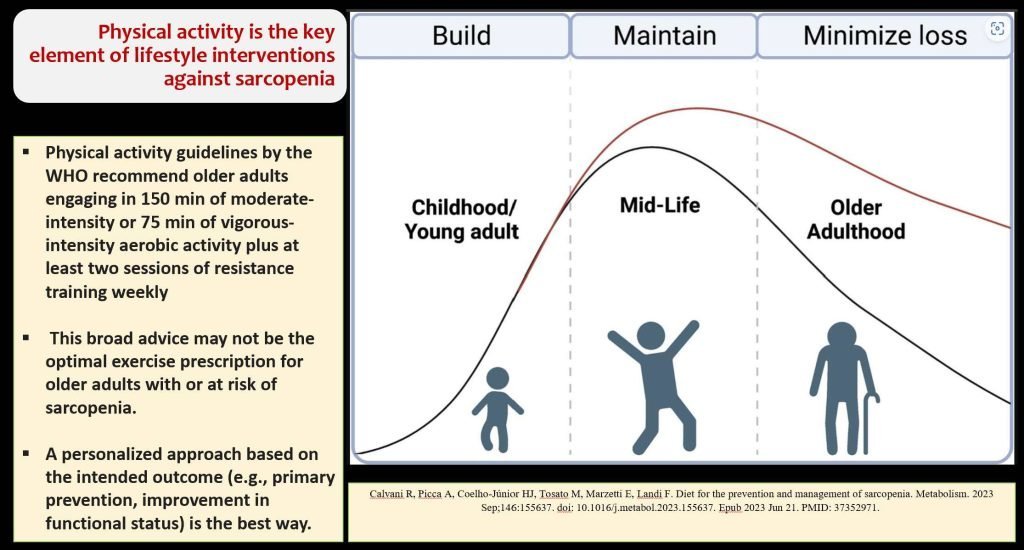
- Engaging in exercise during youth and middle age lowers the risk of sarcopenia and is a positive predictor of muscle strength and physical performance in later life.
- Sarcopenia is commonly linked to frailty. Implementing controlled exercise, particularly when combined with protein supplementation, proves beneficial in managing frailty among older adults in institutional settings.
- The synergistic effects of protein supplementation alongside exercise in community-dwelling individuals still need to be established.
Pharmacologic interventions
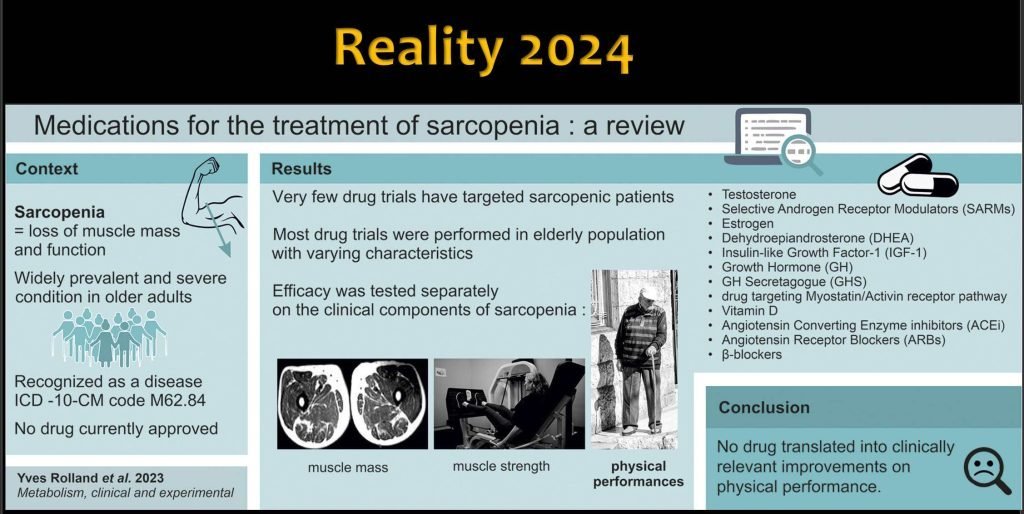
- Despite potential adverse effects, testosterone supplementation remains the safest and most effective anabolic drug therapy for sarcopenia. Anabolic agents are recommended to be used in conjunction with adequate protein intake and exercise.
- While appetite stimulants, ACE1 inhibitors, troponin activators, and oral antidiabetic medications have shown promise in improving muscle function or mass across various models, clear evidence of their efficacy in sarcopenia is still limited.
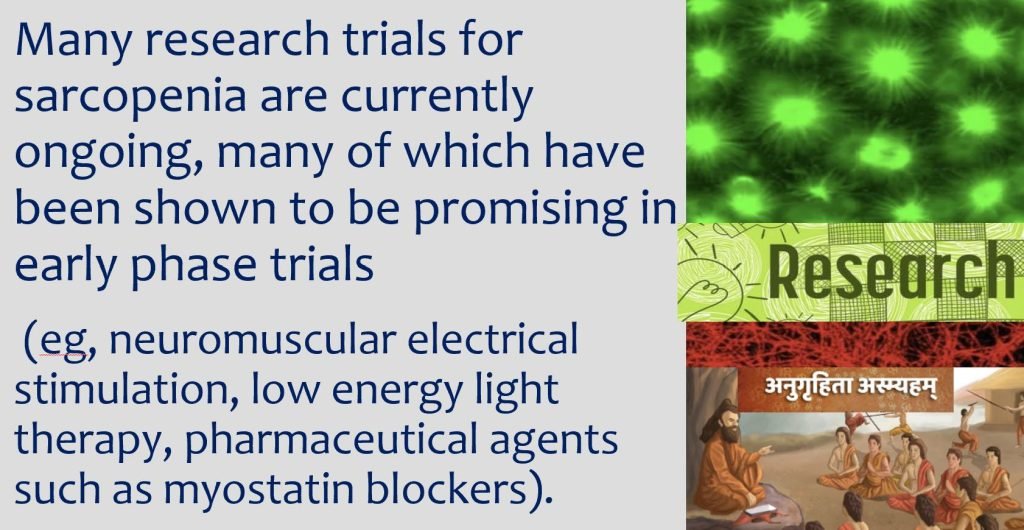
- Additionally, three other interventions aimed at inhibiting catabolism have been investigated in relation to sarcopenia: myostatin antibodies, activin receptor therapies, and anti-inflammatory treatments such as anti-TNF-α and anti-IL-6. However, these drugs are still in the early stages of development, and their effectiveness has yet to be definitively proven.
- It’s also important to recognize that commonly prescribed oral medications for older patients can negatively affect sarcopenia. Statins and potassium channel blockers (such as sulfonylureas and glinides) have consistently been associated with muscle weakness.
CME INDIA Learning Points
| Sarcopenia is defined as the progressive and generalised disorder of skeletal muscle function and mass that is associated with a number of important health outcomes. |
| It can affect 1%–30% of the general population; but affects approximately 40% of patients with gastrointestinal conditions including inflammatory bowel disease and cirrhosis. |
| The SARC- F questionnaire can be used to identify those at risk of sarcopenia. |
| Assessment and correction of malnutrition, particularly protein intake is important in preventing the development and progression of sarcopenia. |
| Grip strength, dual energy X- ray absorptiometry, gait speed and CT measurement of muscle mass can be used together in its diagnosis. |
| No specific drugs are available for its treatment, but resistance exercise programmes combined with nutritional supplementation have shown promise |
| If diagnosed as “possible sarcopenia,” AWGS 2019 recommends initiation of lifestyle interventions and related health education for primary healthcare users, because no medication is available to treat sarcopenia, and exercise and nutrition are essential for sarcopenia management. |
| Physical activity, with a focus on progressive resistance (strength) training, is recommended by many guidelines as first-line therapy to manage sarcopenia. Education to improve protein intake in older adults with sarcopenia is also important. |
| Many guidelines recommend the assumption of at least 1.2 g of proteins/kg/d in older persons, pushing this minimum threshold even higher in the presence of catabolic or muscle wasting. |
| Previous studies have suggested that leucine, a branched-chain amino acid, is essential for protein synthesis in muscle and as a stimulator for skeletal muscle synthesis. |
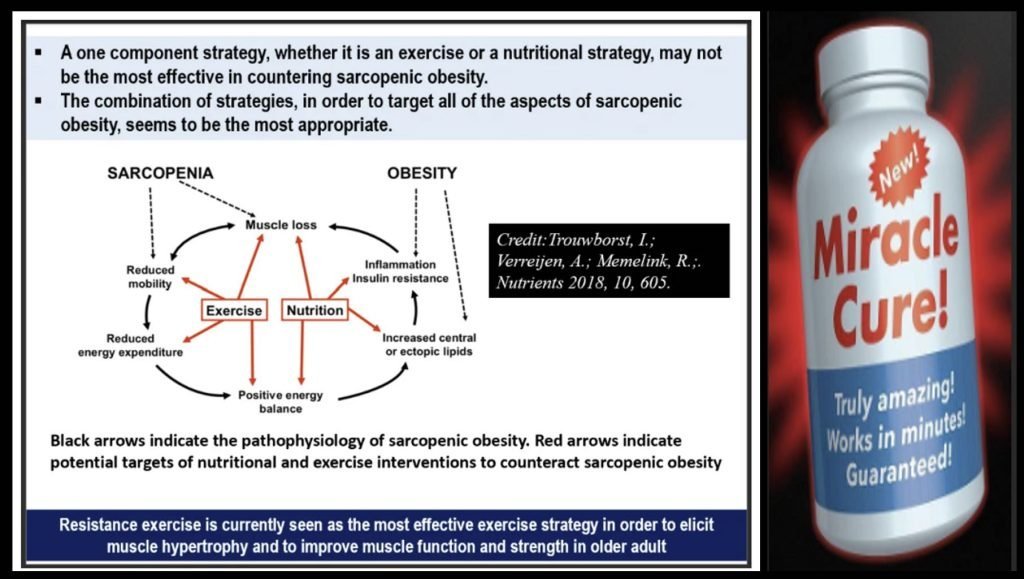
| It is frequently recommended that diet or nutritional supplements should be combined with exercise interventions for older adults with sarcopenia. |
CME INDIA Tail-Piece
- It is important to note that current research on sarcopenia has primarily focused on its phenotypic presentation rather than addressing the underlying mechanisms.
- Clinicians face challenges in determining which treatments will be most effective for individual patients. Although there is strong evidence supporting the role of resistance exercise in enhancing muscle mass and strength, the extent to which it can reverse sarcopenia once patients meet diagnostic criteria remains uncertain.
- Evidence for nutritional interventions is comparatively weaker. Recent findings indicate that supplementation with whey protein, leucine, and vitamin D can improve muscle strength and function; however, vitamin D alone has proven ineffective.
- Exercise and dietary supplementation appear to have synergistic effects in combating inflammation in older adults.
References:
- Wei S, Nguyen TT, Zhang Y, Ryu D, Gariani K. Sarcopenic obesity: epidemiology, pathophysiology, cardiovascular disease, mortality, and management. Front Endocrinol (Lausanne). 2023 Jun 30;14:1185221. doi: 10.3389/fendo.2023.1185221. PMID: 37455897; PMCID: PMC10344359.
- Chen LK, Woo J, Assantachai P, Auyeung TW, Chou MY, Iijima K, Jang HC, Kang L, Kim M, Kim S, Kojima T, Kuzuya M, Lee JSW, Lee SY, Lee WJ, Lee Y, Liang CK, Lim JY, Lim WS, Peng LN, Sugimoto K, Tanaka T, Won CW, Yamada M, Zhang T, Akishita M, Arai H. Asian Working Group for Sarcopenia: 2019 Consensus Update on Sarcopenia Diagnosis and Treatment. J Am Med Dir Assoc. 2020 Mar;21(3):300-307.e2. doi: 10.1016/j.jamda.2019.12.012. Epub 2020 Feb 4. PMID: 32033882.
- Clynes MA, Edwards MH, Buehring B, Dennison EM, Cooper C. Definitions of sarcopenia: associations with previous falls and fracture in a population sample. Calcif. Tissue International. 2015;97(5):445–452. doi: 10.1007/s00223-015-0044-z.
- Rolland Y, Dray C, Vellas B, Barreto PS. Current and investigational medications for the treatment of sarcopenia. Metabolism. 2023 Dec;149:155597. doi: 10.1016/j.metabol.2023.155597. Epub 2023 Jun 20. PMID: 37348598.
- Beaudart C, McCloskey E, Bruyere O, Cesari M, Rolland Y, Rizzoli R, et al. Sarcopenia in daily practice: assessment and management. BMC Geriatr. 2016;16:170
- Tanaka T, Takahashi K, Akishita M, Tsuji T, Iijima K. “Yubi-wakka” (finger-ring) test: A practical self-screening method for sarcopenia, and a predictor of disability and mortality among Japanese community-dwelling older adults. Geriatr Gerontol Int. 2018 Feb;18(2):224-232. doi: 10.1111/ggi.13163. Epub 2017 Sep 12. PMID: 28898523.
- Calvani R, Picca A, Coelho-Júnior HJ, Tosato M, Marzetti E, Landi F. Diet for the prevention and management of sarcopenia. Metabolism. 2023 Sep;146:155637. doi: 10.1016/j.metabol.2023.155637. Epub 2023 Jun 21. PMID: 37352971.
- Ooi, H., & Welch, C. Obstacles to the Early Diagnosis and Management of Sarcopenia: Curre Perspectives. Clinical Interventions in Aging,2024; 19, 323–332. https://doi.org/10.2147/CIA.S438144.

Discover CME INDIA

- Explore CME INDIA Repository
- Examine CME INDIA Case Study
- Read History Today in Medicine
- Register for Future CMEs
To have improved medical knowledge