
CME INDIA Presentation by Dr. Shambo Samrat Samajdar (JMN Medical College and Hospital, Nadia, West Bengal), Dr. Shashank R. Joshi (Joshi Clinic, Mumbai, Maharashtra).
“STOP SUGAR SALT” (SSS) initiative
- November is indeed considered as World Diabetes Month. This time, we are reminded of the critical role that lifestyle choices play in preventing chronic diseases like diabetes, obesity, and heart disease. Through the “STOP SUGAR SALT” (SSS) initiative, we recognize the need to manage two “white dangers”—salt and sugar—that significantly contribute to these conditions. To enhance this approach, we can adopt additional lifestyle “S’s” that promote a comprehensive defence against lifestyle diseases and foster resilience and overall well-being.
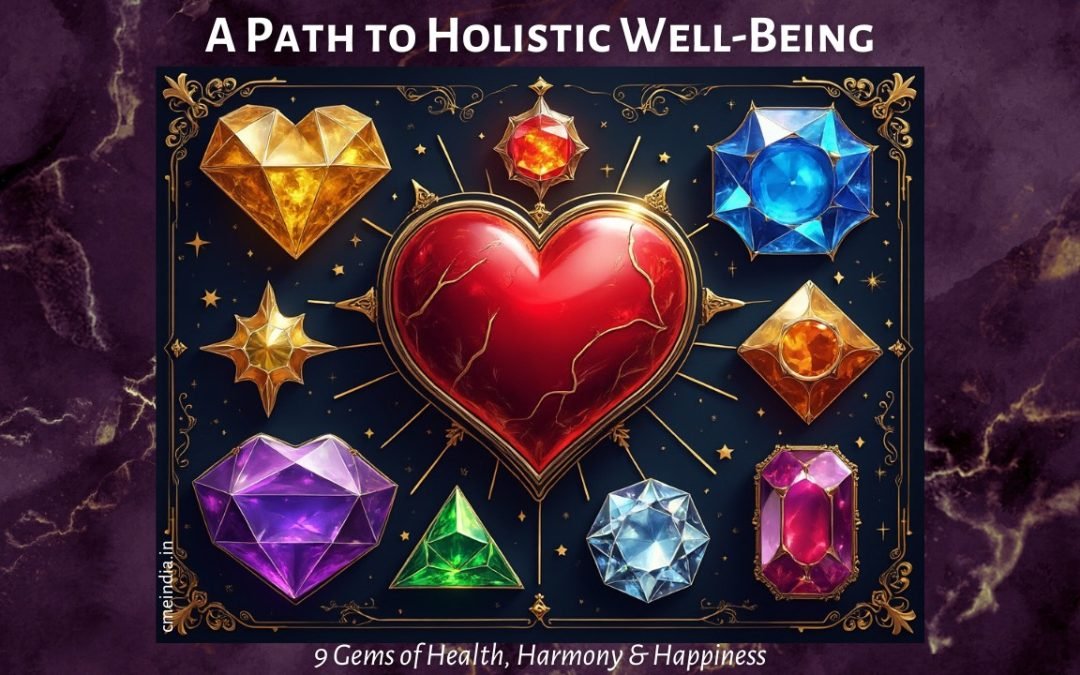
- It is worth remembering that in a world with a history spanning billions of years, the difference between 5 years and 90 years is statistically insignificant; in this vast cosmic timeline, the p-value of age is truly insignificant. Instead, let us turn our focus to the real “p-value” of prayer—our connection to our eternal guardian, as children of the universe. Through prayer, we ask for guidance in embracing these Nine Gems of Devotion, as described by Lord Rama, to lead us to health, harmony, and spiritual fulfilment.
Building a Strong Defense Against Lifestyle Diseases: The “S’s” of a Healthy Life
The following “S’s,” supported by both scientific and spiritual wisdom, create a well-rounded approach for maintaining physical, mental, and social health:
1. Sweating – Increasing Physical Activity
Regular physical activity is essential for preventing lifestyle diseases. Exercise that induces sweating, such as running or swimming, regulates blood sugar, enhances insulin sensitivity, and supports heart health. The American Heart Association recommends at least 150 minutes of moderate aerobic exercise per week, which can significantly reduce the risk of heart disease, diabetes, and hypertension.
Sweating also promotes mental well-being by releasing endorphins, which help alleviate stress and uplift mood. Engaging in enjoyable physical activities can make exercise a joyful ritual, supporting both physical and emotional resilience.
2. Sleep – Ensuring High-Quality, Adequate Rest
Sleep is foundational for health. Poor sleep disrupts hormone regulation, particularly ghrelin and leptin, which control hunger and satiety, and can lead to overeating. Chronic sleep deprivation is linked to obesity, diabetes, and cardiovascular disease. The CDC recommends 7-9 hours of sleep per night, which allows the body to repair and rejuvenate.
Practicing good sleep hygiene—such as maintaining a consistent sleep schedule, limiting screen time, and creating a restful environment—enhances sleep quality. Quality sleep fosters mental clarity, emotional resilience, and the body’s natural healing.
3. Strengthening – Incorporating Resistance and Strength Training
Strength training, such as weight lifting or resistance exercises, is key to maintaining muscle mass and metabolic health. Muscle tissue burns calories even at rest, supporting a healthy metabolism. The American Diabetes Association recommends strength training twice weekly, as it improves insulin sensitivity and helps manage blood sugar.
Strength training also benefits bone density, balance, and flexibility, which are crucial for long-term health and independence. Incorporating both aerobic and resistance exercises create a balanced routine for metabolic and musculoskeletal health.
4. Spiritual Health – Nurturing Mindfulness and Inner Peace
Spiritual health, developed through practices like mindfulness and meditation, promotes inner peace and mental clarity. Mindfulness has been shown to reduce stress and inflammation, which are linked to chronic diseases. Meditation lowers blood pressure, improves mood, and enhances emotional resilience.
Spirituality can be nurtured through gratitude, connecting with nature, and meaningful activities. Harvard research shows that regular mindfulness practice boosts heart health, enhances immune function, and fosters a sense of purpose, which is integral to long-term happiness and fulfillment.
5. Science – Embracing Evidence-Based Medicine and Nutrition
Science-based healthcare is crucial in preventing lifestyle diseases. Evidence-based medicine (EBM) relies on research-backed treatments that improve patient outcomes. Following medical guidance ensures we receive validated care based on the latest scientific research.
Nutrition is equally essential. Diets rich in whole foods—fruits, vegetables, whole grains, lean proteins, and healthy fats—reduce inflammation and improve metabolic health. Avoiding processed foods, refined sugars, and unhealthy fats aligns with scientific recommendations for longevity and well-being.
6. Social Health – Promoting Collective Well-Being
Social health underscores the importance of community wellness. Public health initiatives—such as promoting vaccinations, reducing pollution, and improving food access—benefit society by lowering the collective burden of chronic diseases. Studies show that social connections enhance personal health, improve mental health, and extend life.
Viewing health as a community responsibility helps shift our focus from “I” to “We,” fostering collective wellness. Contributing to public health through actions like creating smoke-free environments or advocating for safe exercise spaces benefits everyone.
7. Sexual Health – Prioritizing Safe, Informed Choices
Sexual health is a key part of holistic wellness, encompassing physical, mental, and social dimensions. Safe practices, mutual respect, and informed choices are core to sexual health. Regular screenings, vaccinations (such as HPV), and open communication with healthcare providers prevent infections and promote reproductive health.
Sexual health impacts emotional well-being as well. A positive approach to sexual health fosters body positivity, safe relationships, and self-respect, contributing to a balanced and fulfilled life.
8. Self-Control, Good Conduct, and Righteousness
Self-control and ethical conduct are fundamental to a balanced life. Practicing restraint, especially in diet and lifestyle, helps prevent habits that lead to chronic illness. The Bhagavad Gita emphasizes:
“You have a right to perform your prescribed duties, but you are not entitled to the fruits of your actions.”
(Bhagavad Gita, Chapter 2, Verse 47)
This principle encourages focusing on right actions without attachment to results. Self-restraint, moral integrity, and respect for others create inner stability, resilience, and peace.
Embracing the Nine Gems of Devotion: A Holistic Guide to Health and Happiness
Inspired by Lord Rama’s Navdha Bhakti, we can apply these Nine Gems of Devotion to our modern lives, aligning them with health and well-being principles:
- Company of Saints and Good People: Surround yourself with inspiring individuals who promote compassion and wisdom, supporting growth in health and spirit.
- Love for Divine Stories: Draw motivation from real-life success stories and medical advancements, inspiring a commitment to healthier living.
- Service to the Guru: Value evidence-based science, honoring credible sources and mentors who guide us toward wisdom.
- Singing Praises with a Pure Heart: Approach your work and actions with sincerity, embracing integrity and service above personal gain.
- Chanting with Faith: Incorporate mindfulness and meditation, reducing stress and enhancing mental clarity and resilience.
- Self-Control and Righteousness: Practice restraint and ethical behavior, focusing on right actions rather than results.
- Seeing Divinity in All Beings: Serve each person with compassion, recognizing our interconnectedness.
- Contentment and Non-Judgment: Cultivate gratitude and avoid judgment, fostering a supportive and harmonious community.
- Simplicity, Honesty, and Trust: Embrace humility and authenticity, living with trust in a higher purpose and resilience.
A Prayer to Our Eternal Guardian
Let us turn to nature and the Supreme for guidance. We acknowledge the real significance of the “p-value” of prayer, asking for the wisdom to live these Nine Gems of Devotion in our lives.
हर त्वं संसारं द्रुततरमसारं सुरपते
हर त्वं पापानां विततिमपरां यादवपते ।
अहो दीनेऽनाथे निहित_चरणो निश्चितमिदं
जगन्नाथः स्वामी नयन_पथ_गामी भवतु मे ॥८॥
Hara Tvam Samsaaram Drutataram-Asaaram Sura-Pate
Hara Tvam Paapaanaam Vitatim-Aparaam Yaadava-Pate |
Aho Diine-[A]naathe Nihita_Caranno Nishcitam-Idam
Jagannaathah Svaamii Nayana_Patha_Gaamii Bhavatu Me ||8||
Meaning:
“O Lord, please take away my attachment to this Samsara (world), which is worthless compared to Your devotion. Take away my sins that have spread without bounds.
It is certain that You give refuge to the miserable and helpless who surrender to You.
May that Jagannath Swami be the center of my vision, wherever I go.”
The Real Path to Wellness
With the guidance of these Nine Gems and the “S’s” of a healthy life – Sweating, Sleep, Strengthening, Spiritual Health, Science, Social Health, Sexual Health, and Self-Control – we embrace a holistic approach to wellness. This path, inspired by both science and spirituality, strengthens us as individuals and as a community.
Let us commit to wellness, harmony, and a life of learning and devotion to benefit ourselves and society, contributing to a future filled with health, compassion, and unity.
Further Reading:
- https://www.academia.edu/116045131/Well_being_and_happiness_the_healing_power_of_yoga.
- Stoewen DL. Dimensions of wellness: Change your habits, change your life. Can Vet J. 2017 Aug;58(8):861-862. PMID: 28761196; PMCID: PMC5508938.
- Singh, P., Singh, A.K. & Pradhan, M. (2024). Transcendental Meditation: A Path to Holistic Wellbeing. International Journal of Indian Psychology, 12(1), 643-653. DIP:18.01.060.20241201, DOI:10.25215/1201.060.
Discover CME INDIA

- Explore CME INDIA Repository
- Examine CME INDIA Case Study
- Read History Today in Medicine
- Register for Future CMEs
Very useful
Liked the Content. Dr. Shashank Joshi is a prolific, gifted , intellectual & a fountain head of Gyaan .