
CME INDIA Presentation by Dr. Shambo Samrat Samajdar (Outpatient Department, Diabetes and Allergy-Asthma Therapeutics Specialty Clinic, Kolkata), Dr. Shashank R. Joshi (Department of Endocrinology, Joshi Clinic, Mumbai), Dr. N. K. Singh (Diabetes and Heart Research Centre, Dhanbad).
Abstract
The Kumbh Mela, a centuries-old confluence of culture, spirituality, and science, serves as a profound model for integrating celestial rhythms with human well-being. Rooted in Vedic astronomy, its timing is meticulously aligned with planetary movements, symbolizing humanity’s connection to the cosmos. Beyond its spiritual essence, the event highlights principles of organization, ecological balance, and holistic care. The Mela’s astronomical foundations resonate with chrono medicine, where aligning healthcare with natural rhythms enhances outcomes. The sacred rivers—Ganga, Yamuna, and Saraswati—embody the intersection of science and spirituality, inspiring sustainable practices. Its organizational excellence showcases resilience and collaboration, offering a blueprint for modern healthcare systems. For physicians, the Mela’s teachings underscore the importance of integrating technical expertise with empathy, aligning medical practice with higher ideals. This article explores the Mela as a metaphor for holistic healing, urging healthcare professionals to embrace balance, compassion, and spiritual wisdom in their practice.
Introduction – Humanity’s most profound gathering
The Kumbh Mela, celebrated as one of humanity’s largest and most profound gatherings, represents the confluence of spiritual intent, scientific precision, and cultural heritage. Its name derives from two Sanskrit words—kumbha, meaning a pitcher or jar, and mela, signifying an association or assembly. In the context of this event, kumbha also relates to the zodiac sign Aquarius, symbolizing the cosmic connection central to the Mela’s essence. The word kumbha has deep Vedic roots, appearing in texts like the Rig Veda, and symbolizes completeness, fullness, and spiritual rejuvenation. Similarly, mela emphasizes the unification of diverse elements, aptly capturing the spirit of this grand congregation.
Held every 12 years at four sacred Indian sites—Prayagraj, Haridwar, Nashik, and Ujjain—the Mela’s timing is meticulously synchronized with celestial alignments. Rooted in Vedic astronomy, the event relies on precise calculations involving the positions of Jupiter, the Sun, and the Moon. These planetary movements, especially Jupiter’s transition into Aquarius, are believed to amplify spiritual and physical vitality. This celestial synchronization embodies humanity’s timeless quest to align with cosmic rhythms and emphasizes the universal significance of timing and balance in fostering holistic well-being.
The kumbha is also integral to Hindu ritual practices, particularly as the kalasha—a sacred pitcher symbolizing completeness and divine energy. Texts like the Atharva Veda describe the kalasha as the source of spiritual essence, housing deities and universal energies. The symbolic presence of the kalasha reinforces the Kumbh Mela’s role as a site of cosmic and spiritual rejuvenation.
Modern healthcare echoes these ancient principles through chrono medicine, a field that explores how aligning medical treatments with biological cycles enhances efficacy. The Kumbh Mela’s focus on cosmic harmony provides a profound metaphor for this synchronization.
Additionally, its convergence at the sacred rivers—Ganga, Yamuna, and Saraswati—underscores the connection between spirituality, ecology, and human well-being. The self-purifying qualities of these waters inspire sustainable practices that are critical in addressing modern environmental challenges.
The logistical brilliance of the Mela, managing millions of attendees seamlessly, reflects principles of interdisciplinary collaboration, adaptability, and resilience. These lessons are invaluable for healthcare systems navigating complex crises such as pandemics or natural disasters.
This article delves into the astronomical foundations of the Kumbh Mela, its ecological and spiritual significance, and its implications for modern healthcare. By exploring these dimensions, the Mela emerges as a roadmap for integrating scientific rigor, spiritual wisdom, and compassionate care in contemporary medicine
Astronomical Foundations: Aligning with the Cosmos
The Kumbh Mela, one of the most profound cultural and spiritual gatherings in human history, is meticulously aligned with celestial events. This synchronization underscores the intimate connection between cosmic rhythms and human life—a philosophy deeply ingrained in ancient Indian thought. By examining the astronomical principles behind the Mela, we gain insights into the profound interplay between the universe and well-being, offering valuable lessons for modern healthcare.
Planetary Orchestration: Timing the Divine Gathering
The Kumbh Mela’s timing is determined by precise astronomical calculations, specifically the alignment of Jupiter, the Sun, and the Moon.
- Jupiter in Aquarius and the Sun in Capricorn: The Mela is held when Jupiter (Guru) transitions into the zodiac sign Aquarius (Kumbh), and the Sun aligns with Capricorn (Makar). In Vedic astrology, Jupiter is considered the planet of wisdom, spirituality, and growth, while Aquarius symbolizes knowledge and humanitarian values. The Sun’s movement into Capricorn signifies a new beginning and a period of purification and renewal. This alignment is believed to amplify positive energy, enhancing both spiritual practices and physical vitality.
- Tidal Resonance: The lunar calendar plays a significant role, as the Mela’s rituals often coincide with full moon days (Purnima). These phases influence tidal forces, symbolic of the cyclical cleansing of both water and the soul.
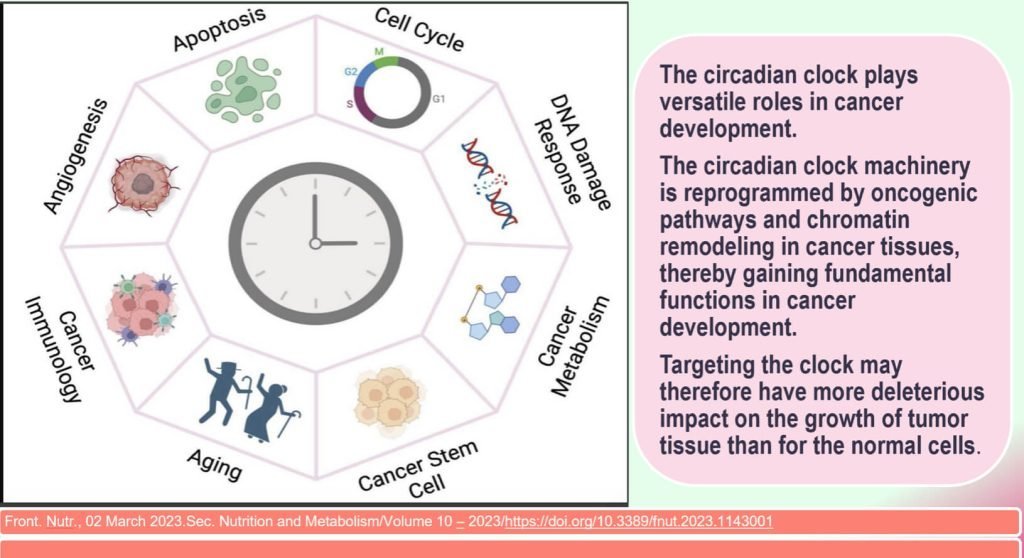
For healthcare professionals, the Mela’s reliance on celestial precision reflects the importance of timing in medical care. Just as planetary alignments are believed to optimize human energy, chrono medicine—the synchronization of medical treatments with biological rhythms—has demonstrated improved outcomes in conditions like hypertension, cancer, and metabolic disorders.
Harmony of Body and Cosmos: The Microcosm Reflects the Macrocosm
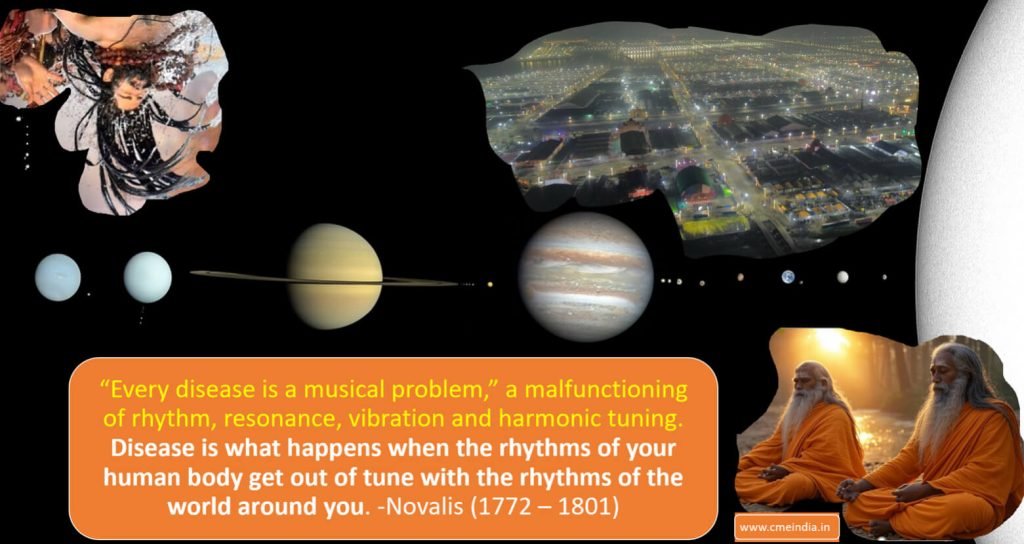
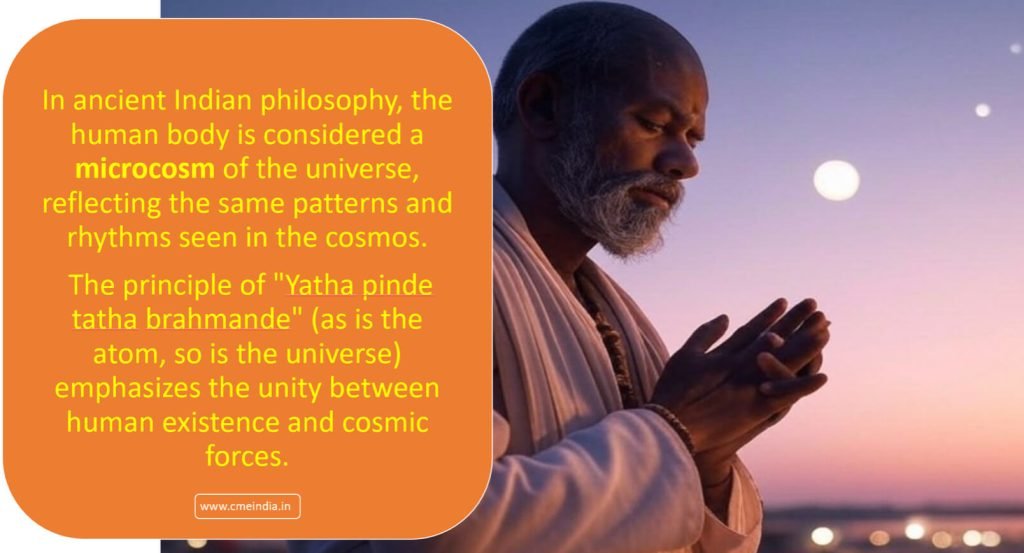
In ancient Indian philosophy, the human body is considered a microcosm of the universe, reflecting the same patterns and rhythms seen in the cosmos. The principle of “Yatha pinde tatha brahmande” (as is the atom, so is the universe) emphasizes the unity between human existence and cosmic forces.
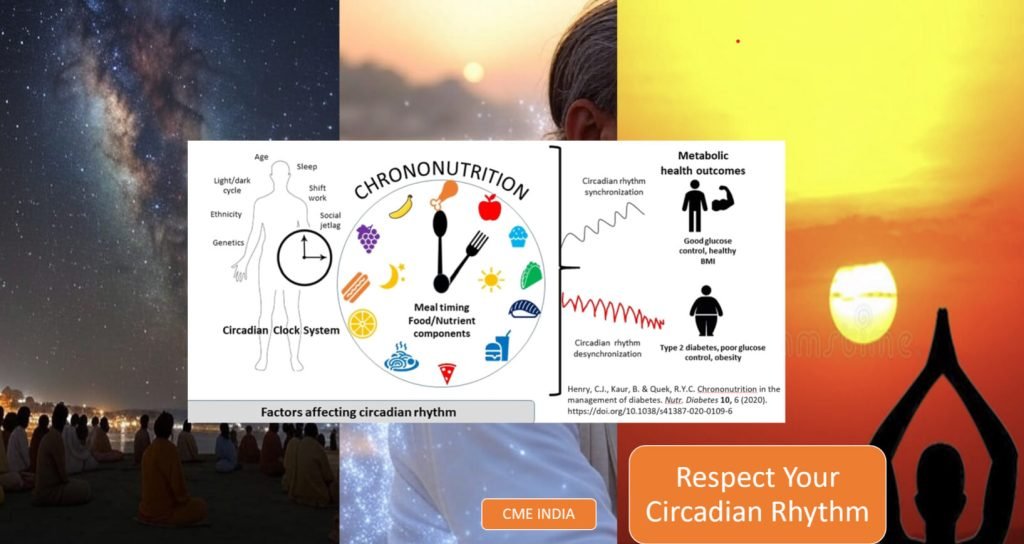
- Biological Resonance with Celestial Rhythms: Modern science validates this ancient understanding through the study of circadian biology, which explores how external environmental cues, like light and temperature, synchronize with the body’s internal clock. These rhythms govern essential processes such as sleep, metabolism, and immunity, demonstrating how planetary movements can influence human health.
- Mental and Emotional Impact: Research has shown that disruptions in circadian rhythms, such as those caused by misaligned sleep cycles or seasonal changes, can lead to mental health issues, weakened immunity, and metabolic disorders. The Mela’s timing, aligned with planetary harmony, seeks to restore this balance, serving as a spiritual and physical reset for participants.
Relevance for Modern Healthcare
Chrono medicine and Holistic Care:
- The Mela’s astronomical underpinnings echo the principles of chronotherapy, where medical interventions are scheduled according to the body’s natural rhythms. For example, administering chemotherapy at specific times of the day reduces side effects while improving efficacy.
Preventive Medicine:
- The emphasis on aligning with nature during the Mela encourages preventive health measures. Activities like fasting, meditation, and immersion in the sacred waters are believed to rejuvenate both body and mind, a concept mirrored in modern detoxification therapies and wellness retreats.
Psychological Synchrony:
- The spiritual resonance of participating in a cosmically aligned event fosters emotional well-being. This parallels the therapeutic effects of mindfulness and meditation practices, which help regulate stress and enhance mental clarity.
The astronomical precision of the Kumbh Mela is not just a relic of ancient wisdom but a reminder of humanity’s enduring relationship with the cosmos. By integrating the rhythms of the universe into daily life, the Mela invites individuals to embrace balance, harmony, and renewal. For physicians, this serves as a metaphor for holistic care, where aligning treatment with the natural rhythms of life enhances healing and promotes well-being.
The Sacred Waters: Science and Spirituality in Harmony
The rivers that converge at the Kumbh Mela—Ganga, Yamuna, and the mythical Saraswati—are celebrated not only for their spiritual significance but also for their unique scientific properties. These sacred waters symbolize the intricate interplay between natural ecosystems and human health, blending age-old reverence with modern understanding.
Purity of the Ganga: A Natural Marvel
The Ganga, India’s most revered river, is considered a living deity in Indian culture. Beyond its spiritual symbolism, the Ganga’s waters possess remarkable scientific attributes:
- Self-Cleansing Properties:
- The Ganga exhibits an extraordinary ability to self-purify, attributed to the presence of bacteriophages—viruses that target and kill harmful bacteria. Studies reveal that these bacteriophages help maintain the river’s microbiological quality, even in densely populated areas.
- The river also has high levels of dissolved oxygen, which enhance its ability to support aquatic life and maintain a balanced ecosystem. These properties mirror principles of modern water purification systems, such as the use of bio-filters and oxygenation techniques.
- Public Health Implications:
- The Ganga’s self-cleansing abilities have inspired advancements in sustainable water management and infection control. Researchers are studying the river’s microbiological ecosystem to develop natural purification methods for safe drinking water—a crucial resource for public health.
For pilgrims, immersing in the Ganga is believed to wash away sins and purify the soul. From a scientific perspective, such immersion can serve as a symbolic connection to nature’s restorative powers, reinforcing mental and emotional well-being.
The Yamuna and Saraswati: Complementary Forces
- Yamuna:
- While the Yamuna is often associated with devotion and love, its water quality has been under strain due to urban pollution. Efforts to rejuvenate the Yamuna, including bio-remediation and wastewater management, reflect a larger movement to restore balance between human activity and environmental sustainability.
- Saraswati:
- The Saraswati, though mythical in modern geography, represents the flow of wisdom and knowledge. In the context of the Kumbh, its presence at the Sangam (confluence) symbolizes the merging of physical, emotional, and spiritual realms.
Healing Energies of the Sangam: A Spiritual Vortex
The Sangam—the confluence of the Ganga, Yamuna, and Saraswati—is more than just a geographical site; it is a spiritual and energetic hub:
- Karmic Cleansing:
- Vedic texts regard the Sangam as a spiritual energy vortex, where the union of rivers amplifies their sanctity and potency. Bathing at this confluence is believed to cleanse karmic debts, offering liberation from the cycle of rebirth.
- Scientific Perspective:
- The Sangam’s serene environment promotes meditative practices and self-reflection. Modern research highlights the benefits of such environments, where reduced sensory stimulation and natural beauty can:
- Lower cortisol levels (stress hormone).
- Improve mental clarity and focus.
- Enhance feelings of connectedness and gratitude.
- The Sangam’s serene environment promotes meditative practices and self-reflection. Modern research highlights the benefits of such environments, where reduced sensory stimulation and natural beauty can:
Bridging Science and Spirituality
The sacred waters of Kumbh embody the essence of balance—between science and spirituality, ecology and human activity:
- Environmental Lessons:
- The Mela emphasizes the need for sustainable interaction with nature. Just as the rivers sustain life, they demand care and conservation, inspiring eco-conscious healthcare practices.
- Metaphor for Healing:
- The Ganga’s purification mirrors the body’s ability to heal itself when supported by the right environment, akin to the role of physicians in guiding the natural healing process.
- Holistic Well-Being:
- The Sangam’s tranquil energies encourage introspection and emotional resilience, essential for coping with life’s challenges. For healthcare professionals, this underscores the importance of treating patients as whole beings—addressing their physical, emotional, and spiritual needs.
The rivers of the Kumbh—Ganga, Yamuna, and Saraswati—serve as a bridge between the ancient and the modern, the spiritual and the scientific. They remind us of the interdependence between human health and the environment, urging both reverence and responsibility. For physicians, these sacred waters inspire a holistic approach to care, where the essence of healing lies in nurturing the harmony of body, mind, and nature.
Spirituality in Organization: The Divine Order
The Kumbh Mela, often described as the largest peaceful gathering of humanity, is a remarkable demonstration of order emerging from apparent chaos. Hosting millions of pilgrims over weeks, the Mela’s success is a testament to the seamless integration of spiritual purpose with organizational precision. It offers profound lessons for any system, particularly healthcare, in managing complexity with grace and efficiency while fostering collaboration and compassion.
Harmony in Chaos: Order Amidst Millions
The Kumbh Mela transforms what could be a logistical nightmare into a harmonious flow of people, resources, and rituals. Its success lies in a blend of meticulous planning, adaptability, and a deep spiritual ethos:
- Higher Order through Spiritual Intent:
- The Mela operates under the guiding principle of dharma (righteous duty), where the shared spiritual goal of purification and devotion drives cooperation among millions of participants. This shared intent creates an implicit sense of order, reducing chaos and conflicts.
- Pilgrims, despite their numbers, display patience and discipline, inspired by their faith. For healthcare systems, this reflects the power of a unified purpose in creating harmony amidst complexity.
- Lessons for Healthcare:
- The ability to handle large crowds while maintaining dignity and respect mirrors the essence of patient-centered care. Just as the Mela balances individual spiritual experiences with mass management, healthcare must balance personalized treatment with systemic efficiency.
- Flexibility under Pressure: The Mela’s planners anticipate contingencies such as weather disruptions, surges in attendance, and emergencies. This adaptability mirrors the importance of resilient healthcare systems that can handle crises such as pandemics or mass casualty events.
Interdisciplinary Collaboration: The Spiritual Ideal of Interconnectedness
The Kumbh Mela thrives on the coordinated efforts of diverse professionals, embodying the spiritual principle of interconnectedness, where every role contributes to a greater whole:
Diverse Stakeholders in Harmony:
- The Mela involves the collaboration of spiritual leaders, engineers, public health officials, logistics experts, and volunteers. Each group plays a unique role, from organizing rituals and ensuring safety to managing infrastructure and providing medical care.
- This model of interdisciplinary teamwork is essential in modern medicine, where the collective expertise of physicians, nurses, technicians, and administrators is critical to patient outcomes.
Parallel in Healthcare Systems:
- Just as the Mela depends on mutual respect and shared goals among its contributors, healthcare systems require multidisciplinary collaboration. Effective patient care is achieved when doctors, nurses, therapists, and caregivers align their efforts toward the well-being of the patient.
- The principle of unity in diversity, deeply rooted in Indian spirituality, finds a modern application in healthcare teams. It emphasizes the value of each individual’s contribution while working toward a common goal.
Inspirational Example:
Stories of collective action at the Mela—such as volunteers helping elderly pilgrims or health workers providing care in remote camps—highlight the spirit of seva (selfless service). For healthcare providers, this serves as a reminder that compassion and teamwork can elevate technical expertise into true healing.
Spiritual Organization as a Blueprint for Healthcare
The Kumbh Mela’s organizational ethos reflects a perfect balance of spiritual values and practical efficiency, offering a unique framework for healthcare:
- Ethical Leadership: At the Mela, decision-making is guided by moral responsibility to ensure the well-being of millions. Similarly, healthcare leaders must prioritize ethical considerations in resource allocation and patient care.
- Sustainability and Resource Management: The Mela’s efficient use of resources—such as temporary infrastructure and sustainable waste management—aligns with the principles of environmentally conscious healthcare.
- Compassionate Systems: While the Mela focuses on spiritual upliftment, its systems are imbued with empathy and respect for human dignity. Healthcare can draw from this to ensure that patients feel valued, not just treated.
The Kumbh Mela exemplifies how spiritual principles can seamlessly integrate with logistical expertise to create a system that is both compassionate and efficient. Its ability to turn an overwhelming congregation into an orderly, meaningful experience mirrors the challenges and aspirations of modern healthcare systems. By embracing the Mela’s lessons of harmony in chaos and interdisciplinary collaboration, healthcare can transcend its technical framework to become a truly holistic endeavor—where compassion and efficiency coexist, and every contribution is honored in the spirit of interconnectedness.
Lessons for Physicians: A Holistic Approach to Healing
The Kumbh Mela, with its intricate blend of spirituality and practical wisdom, serves as a metaphor for holistic healing. It offers timeless lessons for physicians, urging them to look beyond the confines of physical health to embrace a more comprehensive, empathetic, and sustainable approach to patient care.
Healing Beyond the Body
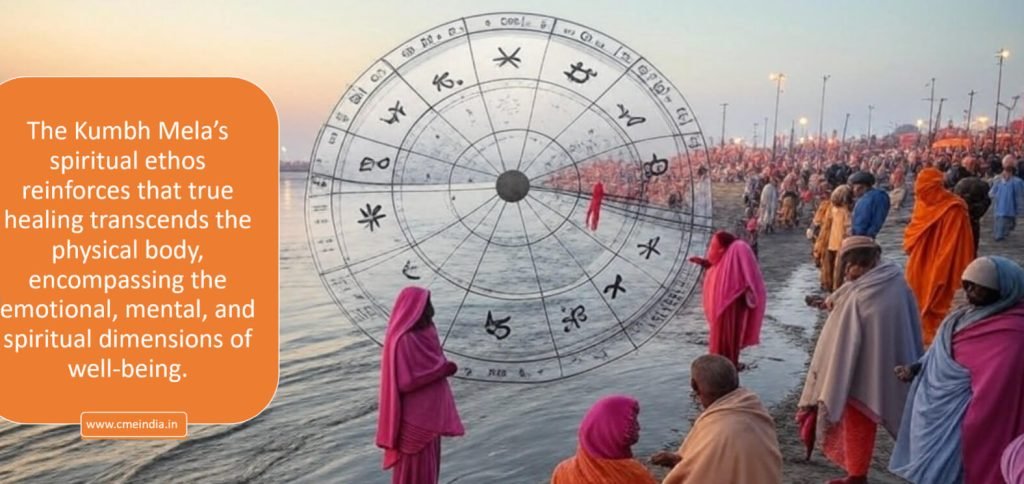
The Kumbh Mela’s spiritual ethos reinforces that true healing transcends the physical body, encompassing the emotional, mental, and spiritual dimensions of well-being.
- Patient-Centered Care: Just as the Mela invites participants to reconnect with their inner selves, physicians can foster a deeper connection with patients by acknowledging their emotional and spiritual needs. This approach builds trust and facilitates healing that is not just symptomatic but transformative.
- Holistic Health: Addressing psychological and spiritual aspects of health, such as alleviating stress, anxiety, or existential fears, aligns with the principles of integrative medicine. Practices like mindfulness, meditation, and empathetic listening—mirroring the meditative experiences at the Mela—help patients achieve a sense of balance and well-being.
Resilience and Equanimity
The Kumbh Mela demonstrates remarkable resilience, adapting seamlessly to challenges such as fluctuating attendance, weather conditions, and logistical hurdles. Physicians, who often face high-pressure situations, can draw valuable lessons from this adaptability:
- Equanimity in Duty: The Bhagavad Gita’s teachings on performing one’s duty without attachment to outcomes (2.47) resonate deeply with medical practice. Physicians are called to provide care with compassion and professionalism, regardless of the outcome.
- Navigating Adversity: The ability of the Mela to maintain harmony amidst chaos mirrors the importance of mental fortitude for physicians. Whether dealing with complex cases or systemic challenges, resilience enables caregivers to sustain their commitment to healing.
Compassionate Communication
At the Kumbh Mela, the rituals and gatherings emphasize collective harmony, mutual respect, and a shared purpose. These principles are profoundly relevant to patient care, where communication forms the cornerstone of trust and healing:
- Empathy in Action: A physician’s ability to listen actively, explain medical conditions clearly, and express genuine concern mirrors the spirit of selfless service seen at the Mela. This not only strengthens the doctor-patient relationship but also enhances adherence to treatment plans.
- Healing Beyond Words: Non-verbal communication—a smile, a reassuring touch, or a gesture of respect—can heal wounds unseen by the eye. Physicians, like the volunteers and caregivers at the Mela, are reminded of the profound impact of compassionate presence.
Resourcefulness and Sustainability
The Kumbh Mela’s efficient use of resources, despite hosting millions, offers a powerful model for sustainability in healthcare:
- Eco-Conscious Practices: From temporary bio-toilets to waste management systems, the Mela embodies the principle of doing more with less. Similarly, healthcare systems must prioritize sustainable practices, such as minimizing waste, reducing energy consumption, and leveraging eco-friendly technologies.
- Cost-Effective Care: The Mela’s ability to deliver services efficiently inspires healthcare providers to optimize resources without compromising quality. Innovations like telemedicine, community-based care, and low-cost diagnostic tools reflect this balance.
- Preparedness and Planning: Just as the Mela anticipates and adapts to diverse scenarios, healthcare must embrace proactive strategies, ensuring resilience in the face of pandemics, natural disasters, or resource constraints.
The Kumbh Mela offers a rich tapestry of lessons for physicians, emphasizing the interconnectedness of mind, body, and soul. By adopting the Mela’s principles—healing beyond the body, resilience, compassionate communication, and sustainability—physicians can elevate their practice to one that not only treats ailments but nurtures humanity. This holistic approach to healing fosters trust, enhances outcomes, and aligns the art of medicine with its highest calling: the service of life.
The Sacred Science: Bridging Worlds
The Kumbh Mela, often perceived as a spiritual event, is also a triumph of scientific understanding and practical organization. It serves as a powerful reminder that science and spirituality are not opposing forces but complementary realms. Together, they guide humanity toward holistic well-being, blending precision with purpose and rigor with compassion.
A Convergence of Science and Spirituality
Astronomical Precision Meets Spiritual Significance
- The timing of the Kumbh Mela, dictated by celestial alignments, reflects the depth of Vedic astronomy. These calculations, rooted in ancient texts, showcase a profound understanding of planetary movements that align with the rhythms of human life.
- This precision mirrors the meticulousness of modern empirical research, where data-driven methods ensure accuracy and reliability. The Mela’s celestial foundation underscores that ancient spiritual practices were deeply intertwined with scientific reasoning.
Purpose and Connection
- While science provides the tools for innovation and healing, spirituality imbues actions with meaning and connection. The Kumbh Mela, through its rituals and gatherings, fosters a sense of shared humanity and higher purpose—a reminder that science without compassion risks becoming impersonal, while spirituality without knowledge may lack effectiveness.
- This interplay is especially relevant for physicians, who must integrate their technical expertise with empathy to provide holistic care.
A Sacred Roadmap
The Kumbh Mela’s ethos aligns with the timeless teachings of the Bhagavad Gita, particularly Lord Krishna’s guidance to Arjuna:
Focus and Detachment in Duty:
- In the Gita, Krishna advises Arjuna to perform his duties with unwavering focus and detachment from outcomes (2.47). This philosophy is mirrored in the Kumbh Mela, where countless organizers and participants dedicate themselves selflessly to the collective experience, undeterred by personal gains.
- For physicians, this wisdom translates to the practice of medicine as a sacred duty, where the focus is on serving patients with skill and compassion, irrespective of outcomes. This approach fosters resilience and prevents burnout by aligning actions with higher ideals.
Transformation Through Higher Ideals:
- The Gita emphasizes aligning one’s actions with a larger purpose, transcending ego and personal ambition. Similarly, the Mela inspires participants to seek purification and transcendence. Physicians can draw from this lesson by viewing their role as a calling to serve humanity, rather than just a profession.
Bridging the Gap: Integrating Science and Spirituality in Medicine
Healing the Whole Person:
- Science equips physicians with knowledge and tools to treat the body, while spirituality reminds them to address the emotional and spiritual needs of their patients. Together, they enable holistic healing, addressing the entirety of the patient’s well-being.
- Practices such as mindfulness, meditation, and empathetic listening bridge the gap between clinical science and spiritual care, creating a patient experience that is both healing and meaningful.
Ethical and Compassionate Practice:
- The Mela’s emphasis on selflessness and service offers a framework for ethical medical practice. Physicians can draw inspiration from its values to prioritize patient welfare, maintain integrity, and uphold the dignity of their profession.
Navigating Crisis with Resilience:
- Just as the Mela adapts to challenges with grace, healthcare professionals can cultivate resilience and adaptability, navigating crises with clarity and composure. The Gita’s teachings on remaining steadfast in the face of uncertainty offer valuable insights for managing high-stress situations in medicine.
Transforming Healthcare into a Sacred Calling
The Kumbh Mela is not just an event; it is a metaphor for balance and harmony—a bridge between science and spirituality. For physicians, it offers a roadmap to integrate technical mastery with the sacred art of healing:
- Align actions with higher ideals to foster a sense of purpose.
- Embrace a holistic approach that addresses the body, mind, and soul.
- Balance scientific rigor with compassion and empathy.
As Lord Krishna’s teachings in the Bhagavad Gita remind us, performing one’s duty with sincerity and detachment elevates mundane tasks into acts of service. By applying these principles, healthcare becomes more than a career—it transforms into a sacred mission to heal, nurture, and uplift humanity.
The Kumbh Mela stands as a luminous example of how science and spirituality can coexist, guiding humanity toward a future where healing is not just a technical act but a profound connection between the healer, the patient, and the divine.
Conclusion
The Kumbh Mela, a profound confluence of spirituality, science, and cultural heritage, stands as a powerful metaphor for holistic well-being. Its celestial alignment exemplifies humanity’s enduring relationship with cosmic rhythms, offering valuable insights into the importance of balance and harmony in life and healthcare. By bridging ancient wisdom with modern scientific understanding, the Mela provides a template for integrating spiritual values with practical organization and technical expertise.
For healthcare professionals, the Mela offers a wealth of lessons: the alignment of actions with natural rhythms, the power of interdisciplinary collaboration, the necessity of sustainability, and the profound impact of compassion in care. It underscores that healing is not merely a technical endeavor but a sacred mission that nurtures the body, mind, and soul. The Mela’s teachings echo timeless values of resilience, duty, and service, reminding physicians that true healing lies in fostering connections between the physical and the metaphysical.
As the Bhagavad Gita teaches, embracing higher ideals in one’s actions transforms routine duties into acts of service. Healthcare, when infused with the spirit of compassion and spiritual wisdom, transcends its traditional boundaries to become a sacred calling—a mission to heal, uplift, and nurture humanity.
| Take-Home Messages Alignment with Rhythms: The Kumbh Mela highlights the importance of aligning with cosmic and natural rhythms. In healthcare, this translates to synchronizing medical interventions with biological cycles to optimize outcomes. Holistic Healing: Healing extends beyond the physical to encompass emotional, mental, and spiritual dimensions. Physicians should adopt integrative practices such as mindfulness, meditation, and empathetic communication to foster comprehensive care. Sustainability in Practice: The Mela’s resource-efficient organization emphasizes the importance of sustainable practices in healthcare, encouraging eco-conscious methods and effective resource management. Resilience and Adaptability: The Mela demonstrates resilience in handling complexity and unpredictability. Physicians and healthcare systems must cultivate similar adaptability to navigate crises with grace. Compassionate Collaboration: The success of the Mela lies in interdisciplinary teamwork and shared goals. Healthcare providers must prioritize collaboration, recognizing the value of every stakeholder in achieving holistic patient care. Science and Spirituality in Balance: The Mela underscores the interplay of science and spirituality. Physicians can bridge this gap by combining technical expertise with compassion, creating a patient experience that is both healing and meaningful. A Higher Purpose: Inspired by the Mela and the Bhagavad Gita, healthcare professionals are reminded that their work is more than a career—it is a sacred mission to serve humanity with sincerity, integrity, and empathy. By embracing these lessons, the medical field can evolve into a domain where science, spirituality, and compassion converge, fostering not just recovery but the true well-being of all. |
References:
- Mishra B, Baghel AS, Paliwal D, Chauhan DS. Study of Spiritual Health Determinants in Indian Saints (Sadhus) at Ujjain Kumbh Mela (Simhast) 2016. J Relig Health. 2020 Jun;59(3):1233-1257. doi: 10.1007/s10943-019-00764-3.
- Lochtefeld, J.G. (2022). Kumbha Mela. In: Long, J.D., Sherma, R.D., Jain, P., Khanna, M. (eds) Hinduism and Tribal Religions. Encyclopedia of Indian Religions. Springer, Dordrecht. https://doi.org/10.1007/978-94-024-1188-1_1332
- Misra N. Kumbha: The Traditionally Modern Mela. 1st ed. New Delhi: Bloomsbury India; 2019. 238 p. ISBN: 9789388414128.
- Bastian B, Jetten J, Ferris LJ. 2014: Pain as social glue: shared pain increases cooperation. Psychol. Sci.25, 2079-2085. doi:10.1177/0956797614545886
- Sharma V. Motivation absorbs Magnitude: An analysis of Health Care Services of Kumbh Mela. Cultural Psychology and Religion. 2009;6(1-2). Available from: https://doi.org/10.22140/cpar.v6i1.2.82
Discover CME INDIA

- Explore CME INDIA Repository
- Examine CME INDIA Case Study
- Read History Today in Medicine
- Register for Future CMEs