
CME INDIA Presentation by Dr. Akash Singh, Diabetologist, Director, Spandan Multi Speciality Hospital, Vadodara, Dr. Basab Ghosh, Diabetologist, Agartala, Dr. N. K. Singh, Editor: CME INDIA, Director, DHRC, Dhanbad.

Diabetes poses a significant health challenge in India, with the country being dubbed the “Diabetes capital of the world”
- India faces a rapidly growing diabetes epidemic, with projections indicating a rise to over 5.4% of the global population by 2025.
- Traditional Indian dietary practices, such as the ‘Thali’ concept, offer potential benefits for diabetes management by emphasizing balanced, plant-based meals.
- However, the nutrition transition towards processed foods and refined grains has contributed to the rise in diabetes prevalence.
- Integrating traditional principles, yoga, and lifestyle modifications with modern therapies shows promise in diabetes care.
- Digital health technologies and innovative programs like IMPACT India are being implemented to improve diabetes management and awareness.
- Research frameworks focusing on etiology, precision medicine, implementation, and health policy are proposed to address India’s unique diabetes challenges
- Overcoming healthcare infrastructure limitations and socioeconomic disparities remains crucial for effective diabetes care delivery in India.
Key Findings on Diabetes in India
- IDF -2021 report provides a global overview of diabetes prevalence and projections, highlighting a significant rise in cases. Currently, 537 million adults (10.5% of those aged 20–79) are affected globally, with projections reaching 643 million by 2030 and 783 million by 2045.
- It is based on the 10th edition of the IDF Diabetes Atlas 2021 and 34 studies, shows a tripling of diabetes prevalence since 2000, when 151 million people (4.6%) were affected. By 2045, the prevalence is expected to exceed 12.8% globally.
- Regionally, the prevalence in Southeast Asia and India in 2021 was 8.8% and 9.6%, respectively, and is projected to rise to 11.5% and 10.9% by 2045. The report underscores the growing burden of diabetes worldwide.
- The prevalence of diabetes and other metabolic non-communicable diseases (NCDs) in India is significantly higher than previously estimated. While the diabetes epidemic appears to be stabilizing in more developed states, it continues to rise in most others, necessitating urgent, state-specific policies and interventions to curb this growing crisis. According to the ICMR-INDIAB-17 study, the state-wise weighted prevalence of diabetes ranges from 4.8% in Uttar Pradesh to 26.4% in Goa, while prediabetes prevalence varies from 6.8% to 31.3%.
- Diabetes prevalence is highest in southern and northern regions, particularly in urban areas, whereas central and north-eastern regions report lower rates. Conversely, prediabetes is most prevalent in central and northern regions, with lower rates observed in Punjab, Jharkhand, and parts of the northeast. Notably, prediabetes prevalence shows no significant difference between urban and rural areas.
- States with a lower human development index (e.g., Arunachal Pradesh, Bihar, and Madhya Pradesh) exhibit a diabetes-to-prediabetes ratio of 1:2 or less, while states with a higher human development index (e.g., Chandigarh, Goa, and Kerala) show a ratio of 1:1 or higher. These findings underscore the urgent need for targeted strategies to address the rising burden of metabolic NCDs across diverse regions in India.
The study by Tandon et al. (2018) analyzes the burden of diabetes across Indian states using data from the Global Burden of Disease Study (1990–2016). It reveals several critical findings:
| Increasing Prevalence: Diabetes prevalence has risen in every Indian state between 1990 and 2016. |
| Regional Variations: There is significant heterogeneity in diabetes distribution among states. |
| Rapid Growth in Less Developed States: Age-standardized increases in diabetes prevalence are notably higher in relatively less developed states. |
| Data Gaps: The study underscores the need for comprehensive data on diabetes prevalence, mortality, and disability-adjusted life years (DALYs) at the state level. |
Challenges in Managing Diabetes in India
- India’s diabetes epidemic affects 77 million people, the second-highest globally. Diverse dietary patterns make standardized recommendations challenging. Socioeconomic disparities limit healthcare access, with only 19% insured.
Urban areas have higher diabetes prevalence due to lifestyle and healthcare differences. - Modern therapies are costly and often inaccessible. Many rural physicians lack training in newer diabetes treatments. Integrating traditional diets with modern therapies remains difficult. The shift to processed foods contributes to rising diabetes rates.
- Effective interventions must account for cultural and regional dietary habits. Diabetes onset in India occurs a decade earlier, increasing complications. Familial aggregation indicates a strong genetic predisposition. India needs more research on its microbiome and therapy interactions. Regional disparities in diabetes care demand targeted policies.
Traditional Indian Diets: A Missed Opportunity?
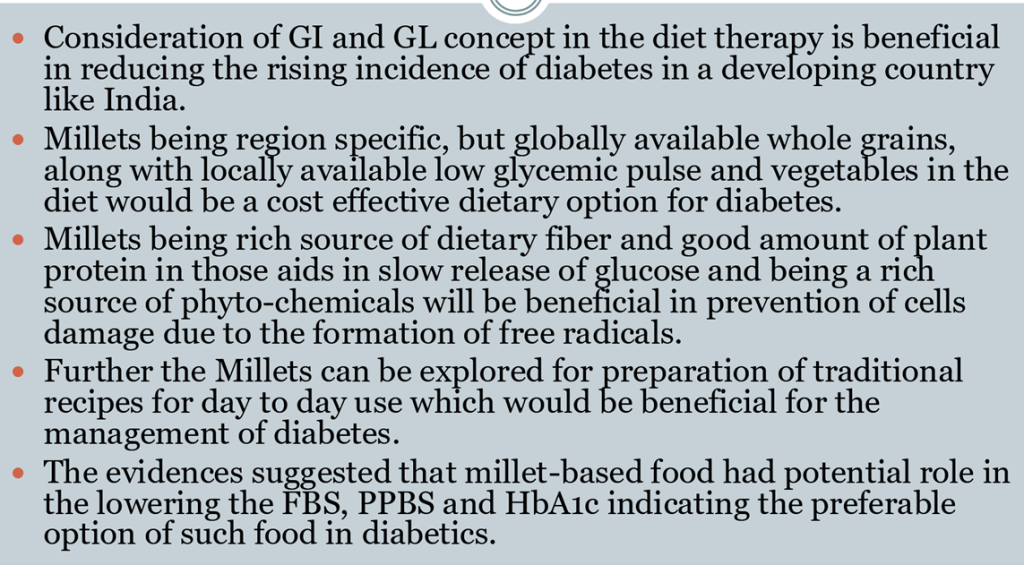
- Traditional Indian diets, particularly those based on whole grains, legumes, and spices, are nutrient-dense and rich in fiber, antioxidants, and phytonutrients. Millets such as ragi (finger millet), jowar (sorghum), and bajra (pearl millet) have a lower glycemic index compared to wheat and rice.
- Recent studies have demonstrated:
| Improved glycemic control: Millets can reduce postprandial glucose spikes and improve insulin sensitivity. |
| Cardiovascular benefits: Regular consumption lowers cholesterol and triglycerides. |
| Despite these benefits, millets are underutilized in urban diets, partly due to changing food preferences and lack of awareness |
| Summary of Findings Indian studies suggest that millets can be beneficial for diabetes management due to their: Low GI and improved glycemic control: Millets cause a slower rise in blood sugar compared to refined grains. Enzyme inhibition: Certain millet components can inhibit enzymes involved in carbohydrate digestion, further aiding glycemic control. Antioxidant and anti-inflammatory properties: Phenolic compounds in millets may offer protection against oxidative stress and inflammation. Rich nutritional profile: Millets provide essential nutrients and can be a valuable part of a balanced diet for diabetes management. |
- Benefits of Millets in Diabetes Management: Indian Studies
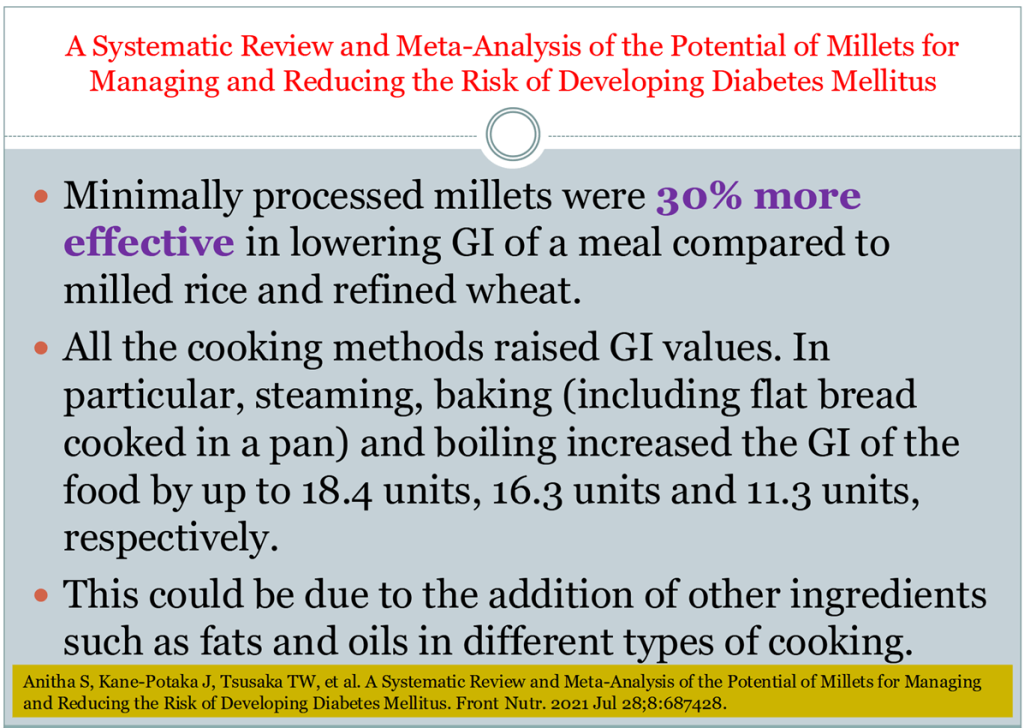
- (Anitha et al., 2021) suggests that millets, having a lower glycemic index compared to refined grains like rice and wheat, can help improve glycemic control. This means they cause a slower and less dramatic rise in blood sugar levels after consumption. The review also mentions that millets can decrease fasting and postprandial blood glucose, reduce insulin resistance, and lower glycosylated hemoglobin (HbA1c) levels.Theymention millets as “smart foods” that are good for individuals, the planet, and farmers. Their nutritional profile makes them a valuable addition to a diabetes-friendly diet.
- (Puligundla & Sreerama, 2014) indicates that phenolic extracts from finger millet seed coat can inhibit enzymes like α-glucosidase and pancreatic amylase, which play a role in carbohydrate digestion and absorption. This inhibition could contribute to better postprandial glycemic control. Phenolic compounds in millets may offer protection against oxidative stress, a factor implicated in diabetes complications.
- (Taylor, 2017) highlights the unique nutritional and health-promoting attributes of millets. While the excerpt doesn’t specifically mention Indian studies, it underscores the rich phenolic content of millets, which could contribute to their anti-diabetic effects.
- (Kam et al., 2016) discusses dietary interventions for type 2 diabetes and mentions the role of millets. While the provided excerpts don’t offer specific findings, the article likely explores how incorporating millets into a balanced diet can support diabetes management.
- It’s important to note that research on the benefits of millets in diabetes management is ongoing.
- The International Year of Millets 2023 highlighted the importance of millets in promoting sustainable agriculture, ensuring food security, and improving nutrition. These resilient crops exhibit exceptional adaptability to diverse and challenging climatic conditions, making them a cornerstone of climate-smart agriculture while also contributing to biodiversity and ecological sustainability.
- Millets play a crucial role in enhancing food availability, supporting rural livelihoods, and boosting local economies, thereby strengthening food security. However, despite their numerous benefits, millets face challenges in cultural acceptance and require advancements in processing techniques to increase their appeal and utilization.
Diabetes and traditional Indian food practices including Thali system
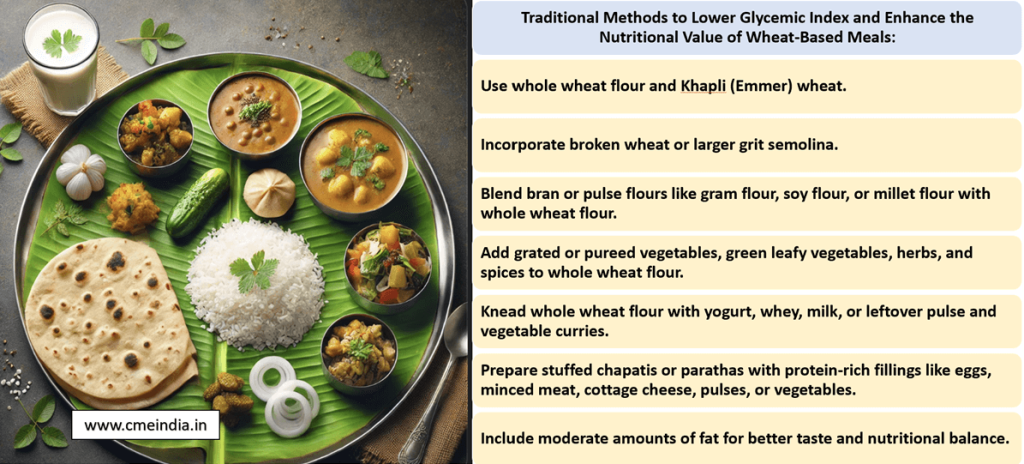
- Traditional Indian food practices, developed over thousands of years, offer a holistic approach to nutrition. They focus on providing wholesome, balanced, and nourishing meals that are visually appealing and palatable.
- These meals were designed based on scientifically sound principles, ensuring nutrient density and dietary diversity. The traditional Indian Thali aligns well with modern ISPAD Clinical Practice Guidelines for type 1 diabetes.
- Traditional cooking methods and meal combinations improve nutrient bioavailability and lower the glycemic index, benefiting both the general population and individuals with diabetes.
- Many of these ancient traditions persist or are being revived, making it valuable to incorporate these food concepts, combinations, and techniques into daily life.
Lessons learnt from The Diabetes Community Lifestyle Improvement Program (D-CLIP)
- Reduced Diabetes Incidence: The intervention group showed a significant reduction in the incidence of diabetes compared to the control group. mentions a one-third reduction in diabetes incidence.
- Effective in Community Settings: The study demonstrated that peer-led lifestyle interventions can be successfully implemented in community settings, offering a scalable and cost-effective approach to diabetes prevention.
Tune Gut Microbiota to Tackle Diabetes
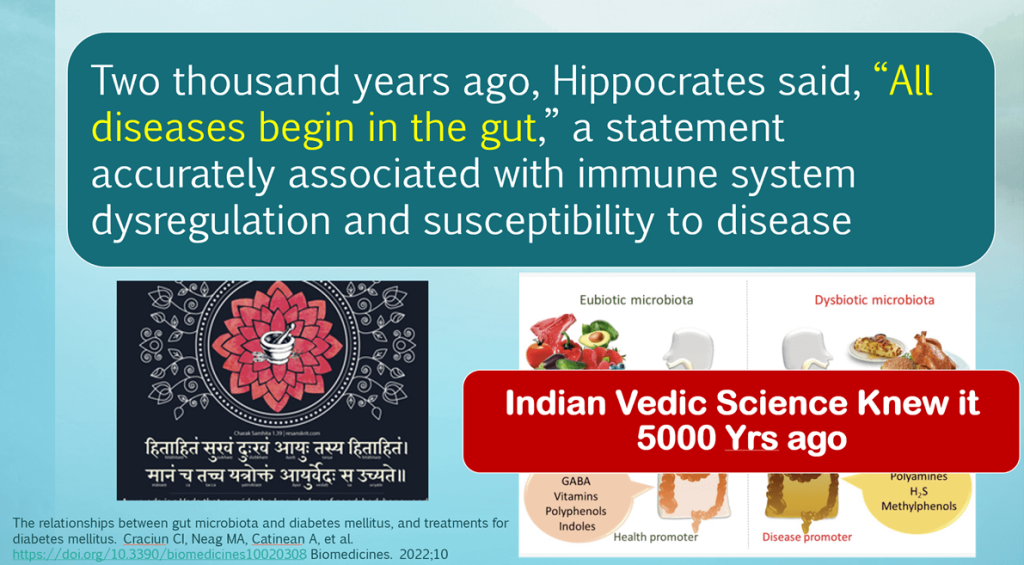
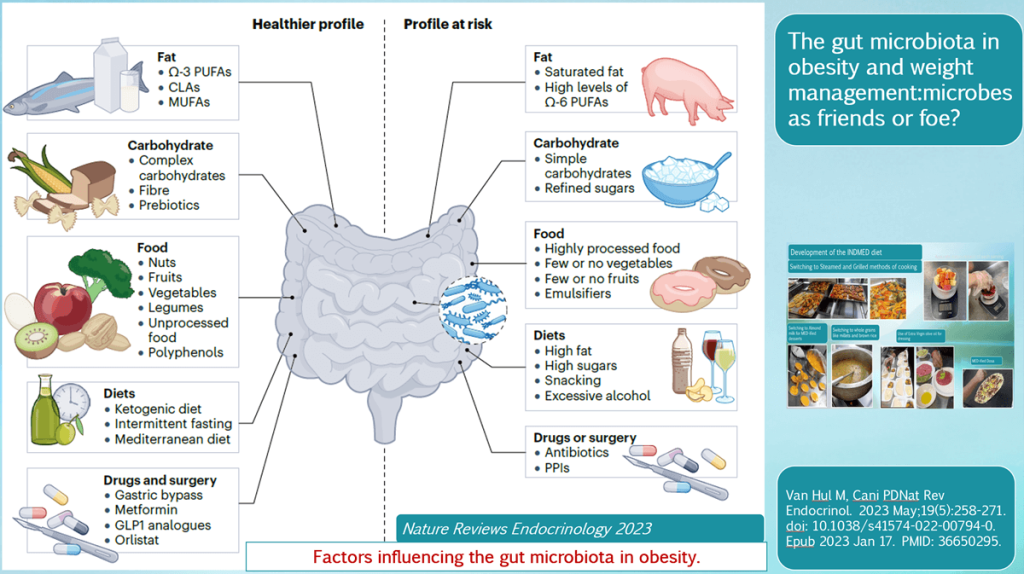
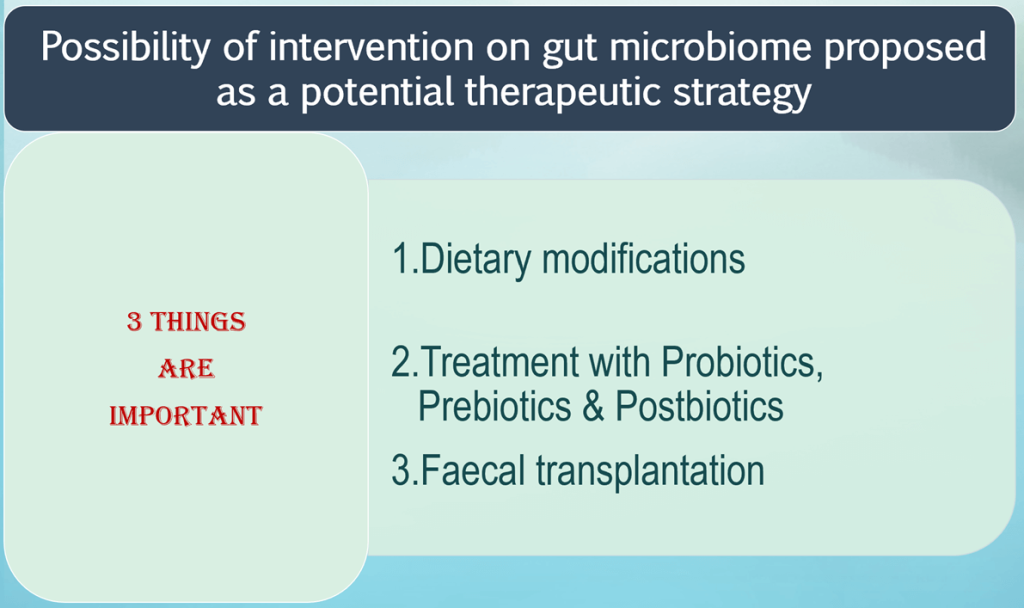
- Emerging research highlights the influence of gut microbiota on diabetes progression and management. Traditional Indian diets, rich in prebiotics and probiotics (e.g., fermented foods like idli, dosa, and curd), can positively modulate gut flora. Studies suggest that:
- Indian diets enhance beneficial bacterial strains, improving glucose metabolism.
- Synergy between diet and SGLT2 inhibitors may further optimize metabolic outcomes.
- India-specific microbiome research is crucial to understanding these interactions.
The most effective intervention needed at war level: Physical Activity /Yoga
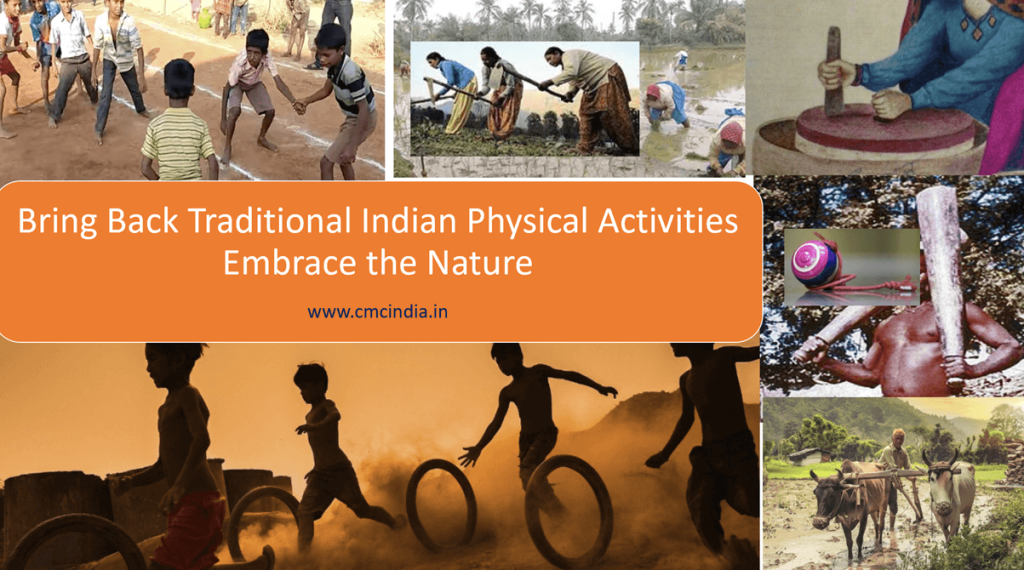
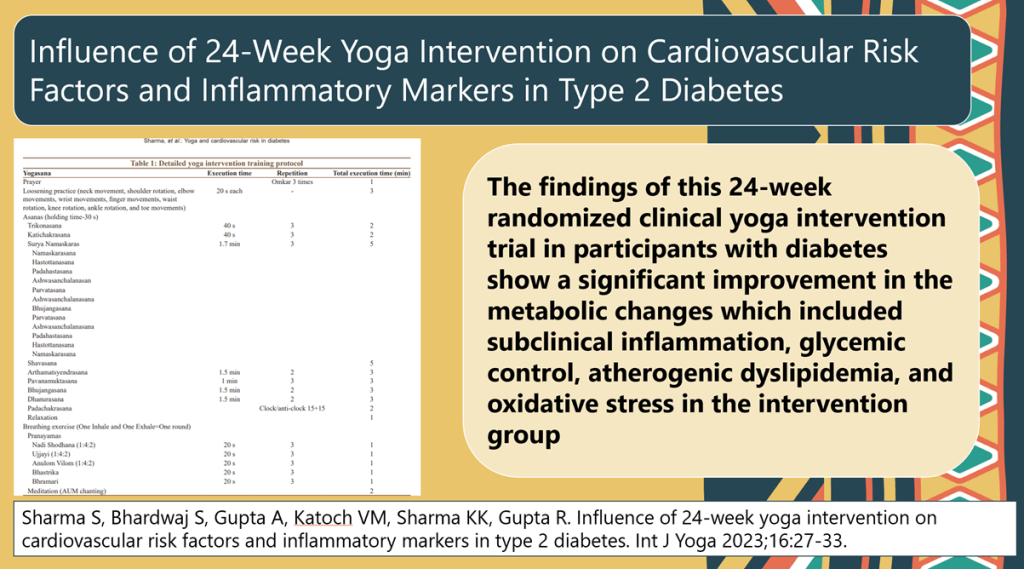
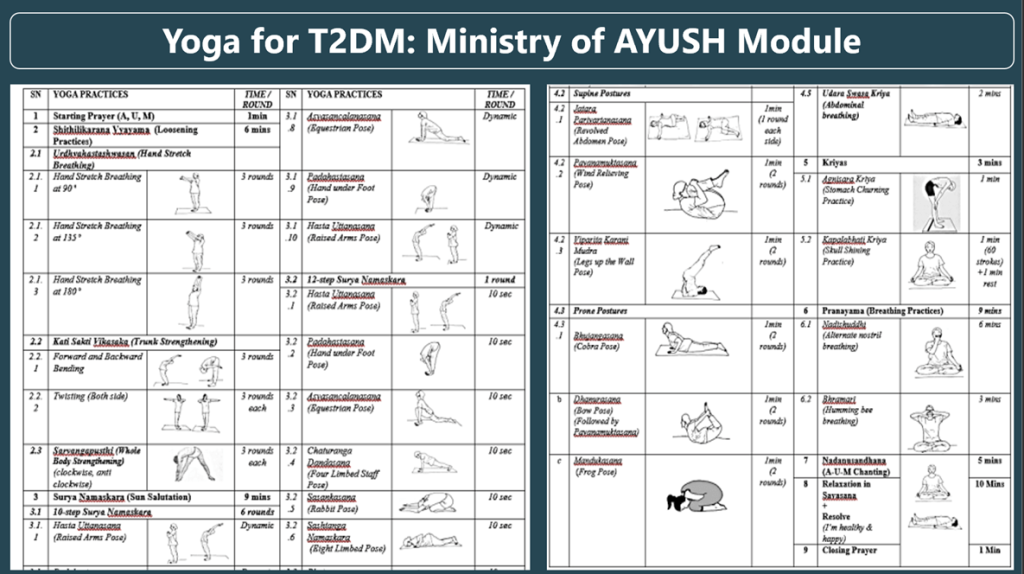
- Increasing evidence suggests that yoga practice tackles the pathophysiologic mechanisms of diabetes and helps in controlling diabetes and its complications.
- Yoga practice is a complex intervention with various components, including cleansing processes (kriya), postures (asana), controlled breathing (pranayama), meditation, relaxation, chanting mantras, yogic diet, code of conduct, philosophy, and spirituality.
- It is high time to explore the potential of reviving traditional Indian physical activities to help reverse the rising tide of diabetes in India.
Modern Therapeutics for Diabetes:
- India has a unique opportunity to transform diabetes care by leveraging affordable and effective medications like SGLT2 inhibitors, which have shown significant promise in managing diabetes and its comorbidities.

- Conditions such as obesity, cardiovascular complications, chronic kidney disease (CKD), non-alcoholic fatty liver disease (NAFLD), and neurodegenerative disorders are commonly associated with diabetes.
- Recent advancements in diabetes medications and continuous glucose monitoring have revolutionized care, necessitating a review in the Indian context.
- As a novel class of antihyperglycaemic agents (AHAs), SGLT2i have gained attention for their pleiotropic benefits, shifting diabetes care from glycaemic control to holistic metabolic management. In addition to improving blood sugar levels, SGLT2i promote weight loss, reduce blood pressure, and improve lipid profiles, enhancing overall metabolic health. They also exhibit renal protective effects, including reduced albuminuria and a slower decline in eGFR, making them valuable in managing renal dysfunction.
| The introduction of SGLT2 inhibitors and GLP-1 receptor agonists has redefined diabetes management by reducing glucose levels, promoting weight loss, and offering cardiovascular and renal protection. However, their adoption in India faces hurdles: |
| Cost barriers: These therapies are expensive and often out of reach for the average Indian patient. |
| Awareness and accessibility: Many physicians in rural areas lack training on these newer therapies. |
| Integrating these therapies with dietary interventions can reduce dependency on high-dose medications and enhance patient outcomes. |
Culturally Sensitive Interventions
- One-size-fits-all approaches often fail in India due to cultural and regional differences. Successful interventions must consider:
- Regional dietary patterns: Promoting locally available foods like millets in South India or pulses in North India.
- Socio-cultural barriers: Educating communities about healthy eating within their cultural framework.
The Way Forward for 2025-2026
For Clinicians:
| Emphasize dietary counseling alongside pharmacotherapy. |
| Advocate for the inclusion of millets and pulses in daily diets. |
For Researchers:
| Investigate the impact of regional diets on glycemic control. |
| Explore the interaction between gut microbiota and SGLT2 inhibitors in Indian populations. |
For Policymakers:
| Promote millet consumption through subsidies and public awareness campaigns. |
| Enhance access to modern diabetes therapies in rural and under-served areas. |
CME INDIA Illuminating Points
- Integrating traditional Indian dietary practices, such as increased millet consumption, could further amplify the benefits of SGLT2 inhibitors, offering a comprehensive approach to diabetes management in India.
- India’s rich culinary heritage, combined with advances in diabetes pharmacotherapy, presents a unique opportunity to revolutionize care. By integrating traditional diets with modern science, we can address the diabetes epidemic in a culturally sensitive and sustainable manner, setting the stage for a healthier 2025 and beyond.
Suggested Reading:
References:
- Pradeepa R, Mohan V. Epidemiology of type 2 diabetes in India. Indian J Ophthalmol. 2021 Nov;69(11):2932-2938. doi: 10.4103/ijo.IJO_1627_21. PMID: 34708726; PMCID: PMC8725109.
- Salis S, Virmani A, Priyambada L, Mohan M, Hansda K, Beaufort C. ‘Old Is Gold’: How Traditional Indian Dietary Practices Can Support Pediatric Diabetes Management. Nutrients. 2021 Dec 10;13(12):4427. doi: 10.3390/nu13124427. PMID: 34959978; PMCID: PMC8707693.
- Raveendran AV, Deshpandae A, Joshi SR. Therapeutic Role of Yoga in Type 2 Diabetes. Endocrinol Metab (Seoul). 2018 Sep;33(3):307-317. doi: 10.3803/EnM.2018.33.3.307. Epub 2018 Aug 14. PMID: 30112866; PMCID: PMC6145966.
- Narayan KMV, Varghese JS, Beyh YS, Bhattacharyya S, Khandelwal S, Krishnan GS, Siegel KR, Thomas T, Kurpad AV. A Strategic Research Framework for Defeating Diabetes in India: A 21st-Century Agenda. J Indian Inst Sci. 2023 Mar 21:1-22. doi: 10.1007/s41745-022-00354-5. Epub ahead of print. PMID: 37362852; PMCID: PMC10029804.
- Kesavadev, Jothydev & Krishnan, Gopika & Mohan, Viswanathan. (2021). Digital health and diabetes: experience from India. Therapeutic Advances in Endocrinology and Metabolism. 12. 204201882110546. 10.1177/20420188211054676.
- https://diabetesatlas.org/atlas/tenth-edition/
- Anjana RM, Unnikrishnan R, Deepa M, Pradeepa R, Tandon N, Das AK, Joshi S, Bajaj S, Jabbar PK, Das HK, Kumar A, Dhandhania VK, Bhansali A, Rao PV, Desai A, Kalra S, Gupta A, Lakshmy R, Madhu SV, Elangovan N, Chowdhury S, Venkatesan U, Subashini R, Kaur T, Dhaliwal RS, Mohan V; ICMR-INDIAB Collaborative Study Group. Metabolic non-communicable disease health report of India: the ICMR-INDIAB national cross-sectional study (ICMR-INDIAB-17). Lancet Diabetes Endocrinol. 2023 Jul;11(7):474-489. doi: 10.1016/S2213-8587(23)00119-5. Epub 2023 Jun 7. PMID: 37301218.
- Tandon, Nikhil et al.The increasing burden of diabetes and variations among the states of India: the Global Burden of Disease Study 1990–2016.The Lancet Global Health, Volume 6, Issue 12, e1352 – e1362.
- Felicia Hill-Briggs; Nancy E. Adler; Seth A. Berkowitz. Social Determinants of Health and Diabetes: A Scientific Review. Diabetes Care 2021;44(1):258–279.https://doi.org/10.2337/dci20-0053.
- Anitha S, Kane-Potaka J, Tsusaka TW, et al. A Systematic Review and Meta-Analysis of the Potential of Millets for Managing and Reducing the Risk of Developing Diabetes Mellitus. Front Nutr. 2021 Jul 28;8:687428.
- Shanmugam, Shobana & Sreerama, YN & Malleshi, Nagappa. (2009). Composition and enzyme inhibitory properties of finger millet (Eleusine coracana L.) seed coat phenolics: Mode of inhibition of ??-glucosidase and pancreatic amylase. Food Chemistry. 115. 1268-1273. 10.1016/j.foodchem.2009.01.042.
- Jacob J, Krishnan V, Antony C, Bhavyasri M, Aruna C, Mishra K, Nepolean T, Satyavathi CT, Visarada KBRS. The nutrition and therapeutic potential of millets: an updated narrative review. Front Nutr. 2024 Apr 30;11:1346869. doi: 10.3389/fnut.2024.1346869. PMID: 38746941; PMCID: PMC11091339.
- Taylor, John. (2017). Millets: Their Unique Nutritional and Health-Promoting Attributes. 10.1016/B978-0-08-100866-9.00004-2.
- Weber, Mary & Ranjani, Harish & Meyers, Gaya & Mohan, Viswanathan & Narayan, K M V. (2011). A model of translational research for diabetes prevention in low and middle-income countries: The Diabetes Community Lifestyle Improvement Program (D-CLIP) trial. Primary care diabetes. 6. 3-9. 10.1016/j.pcd.2011.04.005.
- Van Hul M, Cani PD. The gut microbiota in obesity and weight management: microbes as friends or foe? Nat Rev Endocrinol. 2023 May;19(5):258-271. doi: 10.1038/s41574-022-00794-0. Epub 2023 Jan 17. PMID: 36650295.
- Sharma S, Bhardwaj S, Gupta A, Katoch VM, Sharma KK, Gupta R. Influence of 24-week yoga intervention on cardiovascular risk factors and inflammatory markers in type 2 diabetes. Int J Yoga 2023;16:27-33.
- Savikj, M., Zierath, J.R. Train like an athlete: applying exercise interventions to manage type 2 diabetes. Diabetologia 63, 1491–1499 (2020). https://doi.org/10.1007/s00125-020-05166-9.
Discover CME INDIA

- Explore CME INDIA Repository
- Examine CME INDIA Case Study
- Read History Today in Medicine
- Register for Future CMEs
Fantastic article,good review & practical tips ,questions which patients & care givers always ask.Great efforts Akash
Nice narrative.
Great article Dr Akash Singh.
Excellent Article with emphasis on Practical issues for Rural Physicians
Would like to read this