
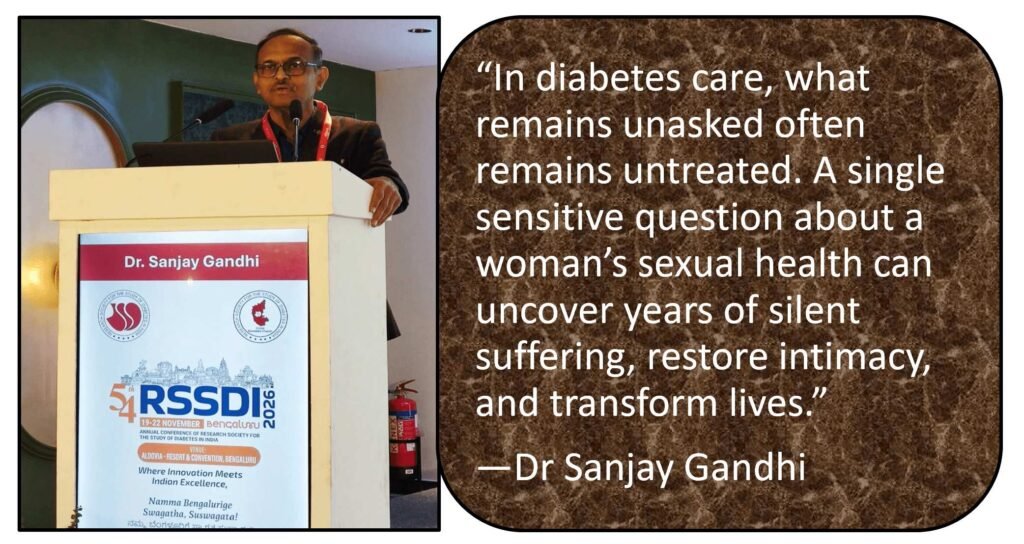
CME INDIA Presentation by Dr. Sanjay Gandhi, A1c Club – Comprehensive Diabetes Care, Pune, Maharashtra, India.
Based on a Presentation at RSSDI National Conference 2026, Bengaluru.
Abstract
Background: Female sexual dysfunction (FSD) is common in women with diabetes, yet it is rarely asked about in diabetes clinics. Dyspareunia, or recurrent and distressing genital pain with intercourse, is a frequent and treatable part of this burden, particularly around the menopausal transition.
Aim: To summarise current nomenclature, epidemiology, pathophysiology, evaluation and management of dyspareunia and related sexual dysfunction in women with diabetes, illustrated with four cases from an Indian outpatient diabetes practice.
Key points: Pooled estimates place sexual dysfunction in about two-thirds of women with type 2 diabetes, and women with type 1 diabetes have roughly three-fold higher odds than women without diabetes. Mechanisms include endothelial dysfunction, autonomic and peripheral neuropathy, oestrogen deficiency, genital infection, pelvic floor dysfunction and psychological distress. The genitourinary syndrome of menopause (GSM) is the commonest treatable cause in midlife, and low-dose vaginal oestrogen has the strongest evidence. Sodium–glucose cotransporter-2 inhibitors (SGLT2i) add a predictable risk of genital mycotic infection that can be anticipated with counselling.
Conclusion: A brief, routine question about painful intercourse, ideally asked by a trained female clinical attendant, can uncover vaginismus, endometriosis, GSM and infection that would otherwise remain hidden behind poor adherence and marital discord.
Keywords: dyspareunia; female sexual dysfunction; diabetes mellitus; genitourinary syndrome of menopause; vaginismus; SGLT2 inhibitors; India
Introduction
Sexual health in men with diabetes, especially erectile dysfunction, is discussed routinely in clinical meetings and guidelines. The equivalent problem in women is largely invisible. Few women in Indian outpatient settings will volunteer that intercourse is painful, and few physicians ask. The consequences are rarely limited to the bedroom: avoidance of intimacy, suspicion of infidelity, separation and depression are all seen in practice, and each of these can erode adherence to diabetes care.
Dyspareunia is defined as recurrent or persistent pain with sexual intercourse that causes distress. It affects an estimated 10–20% of women in the general population, and reported figures range widely from about 10% to 80% depending on age, menopausal status and the instrument used.1 Pain may be superficial (at entry) or deep (with thrusting), and the distinction is the first clue to the cause. This review draws on a presentation at RSSDI 2026 and uses four real clinical encounters to frame a practical approach for diabetologists and physicians.
Case Vignettes from Clinical Practice
The following four cases were seen in a routine diabetes outpatient clinic. Identifying details have been removed.
Case 1: An unconsummated marriage
A couple married for three years presented because the husband, who was overweight, felt his wife suspected him of disloyalty. The wife had been diagnosed with type 2 diabetes three months earlier (HbA1c 8.5%). When a female staff member gently asked about genital symptoms, the woman disclosed that penetrative intercourse had never occurred. Any genital touch provoked pain and spasms felt in the lower abdomen and around the urethra (Figure 1). The picture is that of vaginismus, now classified as genito-pelvic pain/penetration disorder, presenting through a complaint about the relationship rather than about pain.
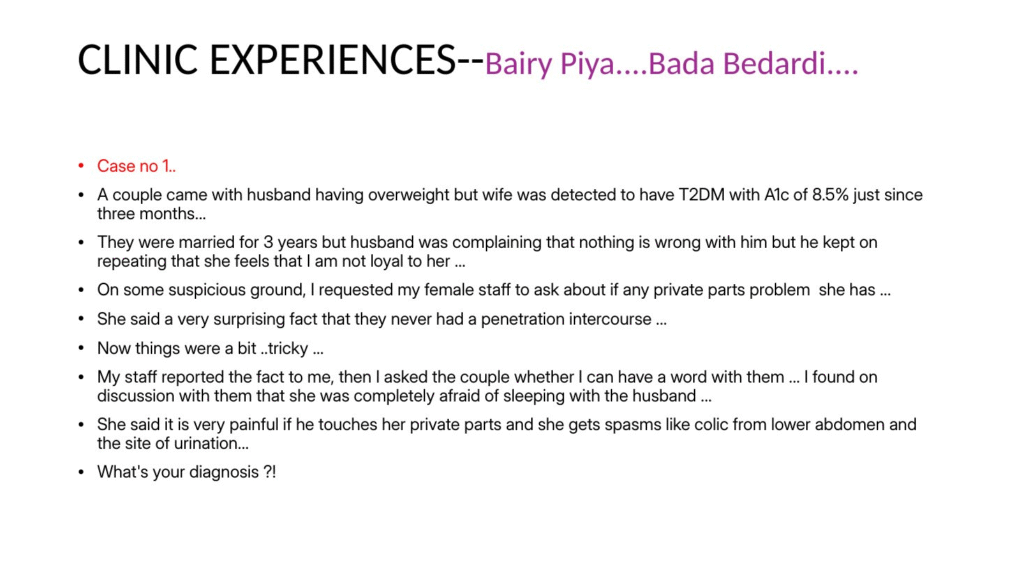
Figure 1. Case 1 as presented: a relationship complaint that concealed an unconsummated marriage and penetration-related pain.
Case 2: Deep dyspareunia and endometriosis
A 37-year-old woman with type 2 diabetes of five years’ duration and poor control was referred by a gynaecologist for urinary frequency. She had painful periods and laparoscopically confirmed endometriosis. On direct questioning she reported that, for two years, she had been sleeping in a separate room to avoid painful penetration, despite a supportive husband (Figure 2). Deep dyspareunia from endometriosis was compounded by lower urinary tract symptoms, which in a woman with uncontrolled diabetes also require exclusion of infection.
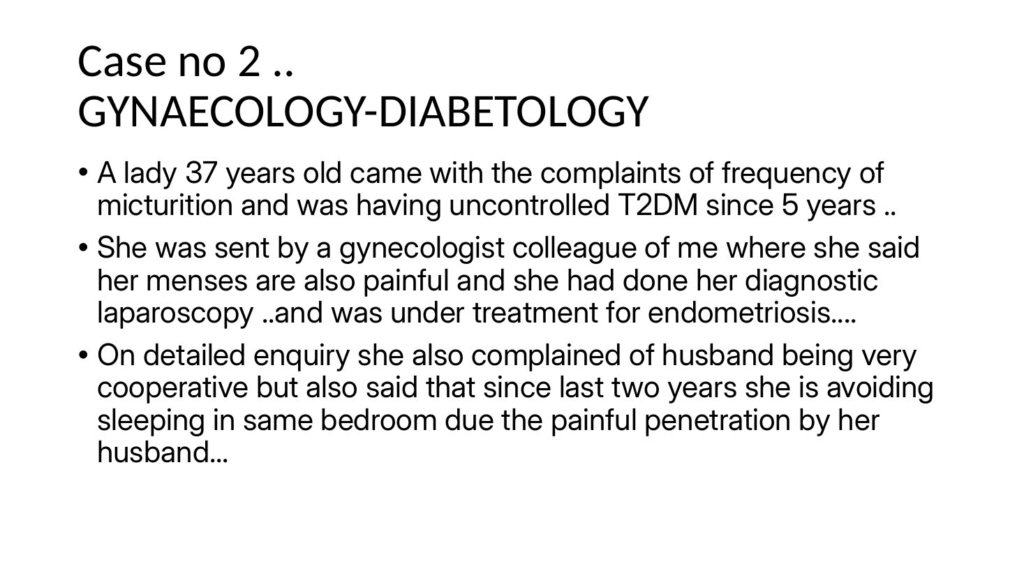
Figure 2. Case 2: deep dyspareunia with endometriosis and urinary frequency in a woman with uncontrolled type 2 diabetes.
Case 3: Genitourinary syndrome of menopause and marital conflict
A 51-year-old woman with type 2 diabetes and hypertension of six years’ duration sought help to live separately from her husband. Her periods had stopped three years earlier. She described urinary frequency, vulval itching, pain during intercourse and reduced desire, while her husband, himself newly found to have an HbA1c of 7.8%, expected near-daily intercourse (Figure 3). This is a classic presentation of GSM with secondary low desire, in a couple where both partners have untreated sexual health concerns.
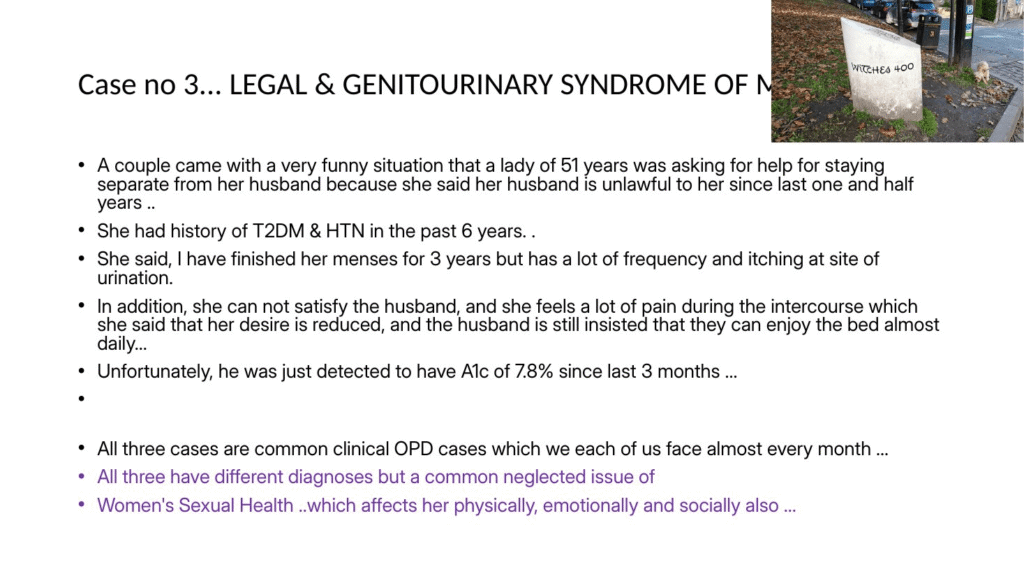
Figure 3. Case 3: genitourinary syndrome of menopause presenting as a request for marital separation. All three cases share a common, neglected theme of women’s sexual health.
Case 4: Starting an SGLT2 inhibitor
A 42-year-old obese woman with a strong family history of ischaemic heart disease, sudden cardiac death and dyslipidaemia was found to have an HbA1c of 8.2%. Dapagliflozin was chosen. Before the first dose, a female clinic assistant explained genital hygiene and asked about existing itching or discharge (Figure 4). This simple step turns a predictable adverse effect into a manageable one and opens the door to future conversations about genital symptoms.
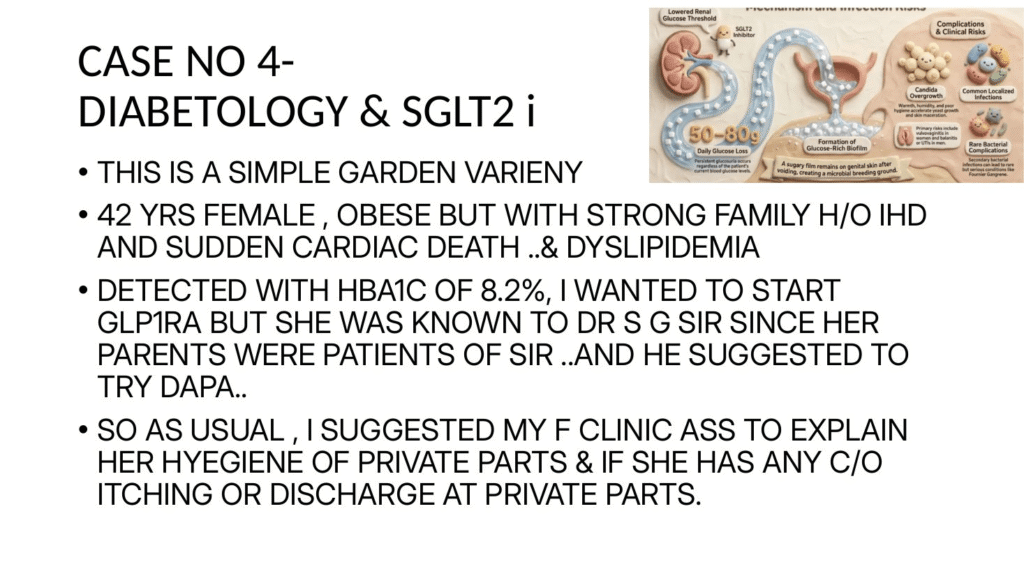
Figure 4. Case 4: proactive genital hygiene counselling at SGLT2 inhibitor initiation in an obese woman at high cardiovascular risk.
Definitions and Nomenclature
Accurate terminology matters because classifications have changed. The World Health Organization defines perimenopause as the period before menopause with biological, endocrine and clinical features of approaching menopause, extending at least one year after the final menstrual period. Menopause itself can only be confirmed retrospectively after 12 months of spontaneous amenorrhoea.
Sexual dysfunction has been classified differently by the International Classification of Diseases (ICD-10 and ICD-11), the Diagnostic and Statistical Manual of Mental Disorders (DSM-5), the International Consultation on Sexual Medicine (ICSM) and the International Society for the Study of Women’s Sexual Health (ISSWSH) (Figure 5). DSM-5 merged vaginismus and dyspareunia into a single genito-pelvic pain/penetration disorder, and combined desire and arousal into female sexual interest/arousal disorder. ISSWSH retains hypoactive sexual desire disorder (HSDD) as a separate entity. The term genitourinary syndrome of menopause has replaced vulvovaginal atrophy because it captures urinary as well as genital symptoms.2
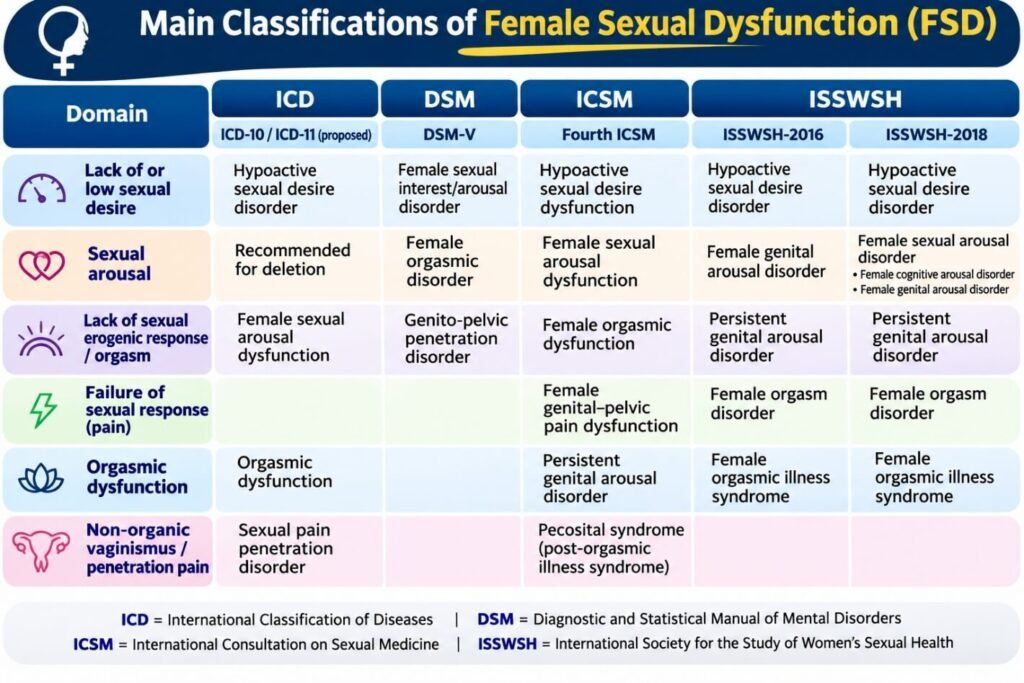
Figure 5. Main classifications of female sexual dysfunction across ICD, DSM, ICSM and ISSWSH systems.
Epidemiology
The prevalence of sexual dysfunction in women with diabetes is high but heterogeneous. A meta-analysis of 25 studies including 3,892 women with type 2 diabetes estimated an overall prevalence of 68.6%.4 In premenopausal women with type 1 diabetes, a 2023 systematic review found a median prevalence of 36% compared with 13% in women without diabetes, and pooled odds about three times higher.3 Variation reflects differences in age, menopausal status, the use of the Female Sexual Function Index (FSFI) with or without a distress scale, and cultural willingness to report symptoms.
Indian data remain limited, but recent work from AIIMS Jodhpur has drawn attention to FSD in women with diabetes and summarised its mechanisms and management for clinicians.5 In practice, prevalence in Indian clinics is almost certainly underestimated, because the question is rarely asked and women seldom raise it unprompted.
Pathophysiology
Sexual dysfunction in diabetes is multifactorial. The contributing domains can be summarised as an “octet”: metabolic disorders, vascular complications, chronic inflammation, endocrine disorders, lifestyle factors, mental health, neurological factors and genetic predisposition (Figure 6).
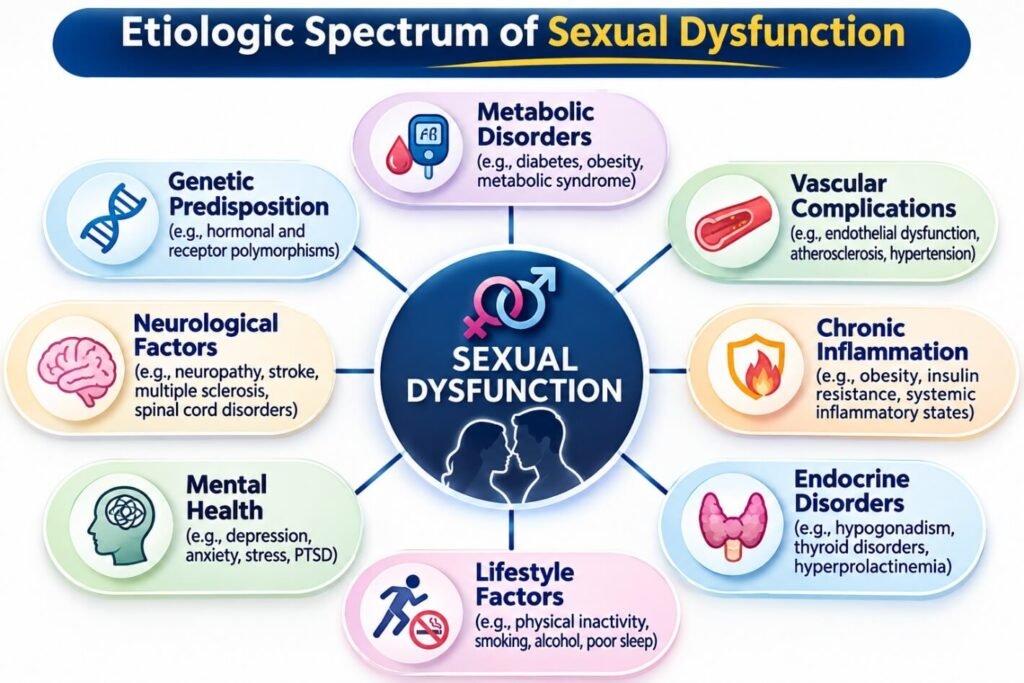
Figure 6. The “octet” of sexual dysfunction: eight interacting domains that contribute to sexual dysfunction in diabetes.
Vascular. Chronic hyperglycaemia causes endothelial dysfunction and reduced nitric oxide availability. Genital arousal in women, like erection in men, depends on the nitric oxide–cyclic GMP pathway that relaxes vascular smooth muscle (Figure 7). Reduced clitoral and vaginal blood flow leads to poor lubrication and painful intercourse.
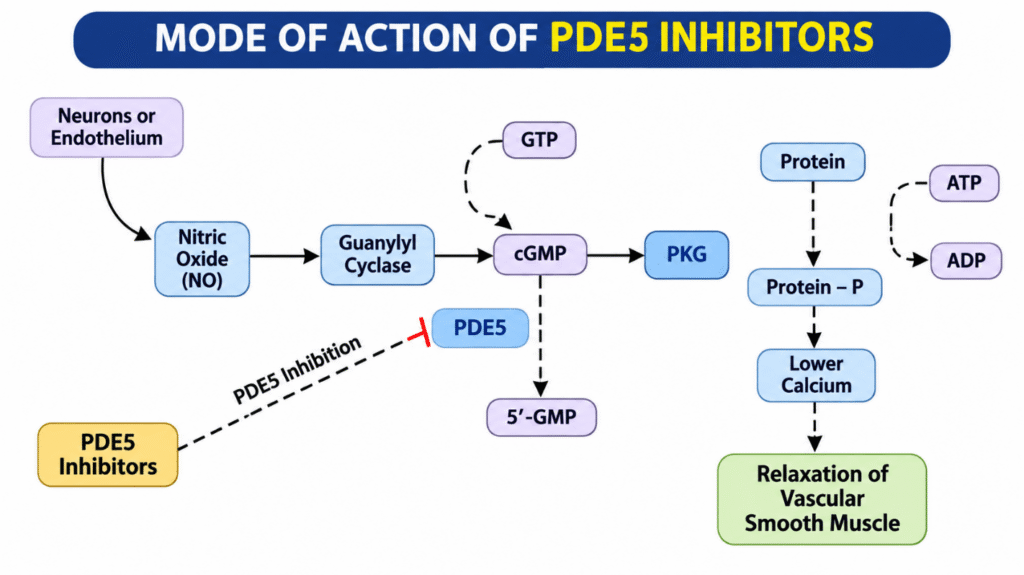
Figure 7. Nitric oxide–cGMP signalling and the site of action of phosphodiesterase-5 inhibitors in vascular smooth muscle relaxation.
Neurological. Autonomic neuropathy impairs genital blood flow regulation and lubrication, and peripheral neuropathy reduces genital sensation, arousal and orgasm.
Hormonal. Oestrogen deficiency in the menopausal transition thins the vaginal epithelium, raises vaginal pH, reduces lubrication and predisposes to infection. In type 1 diabetes, disturbance of the hypothalamic–pituitary–ovarian axis may cause menstrual irregularity and altered sex hormone levels (Figure 8).
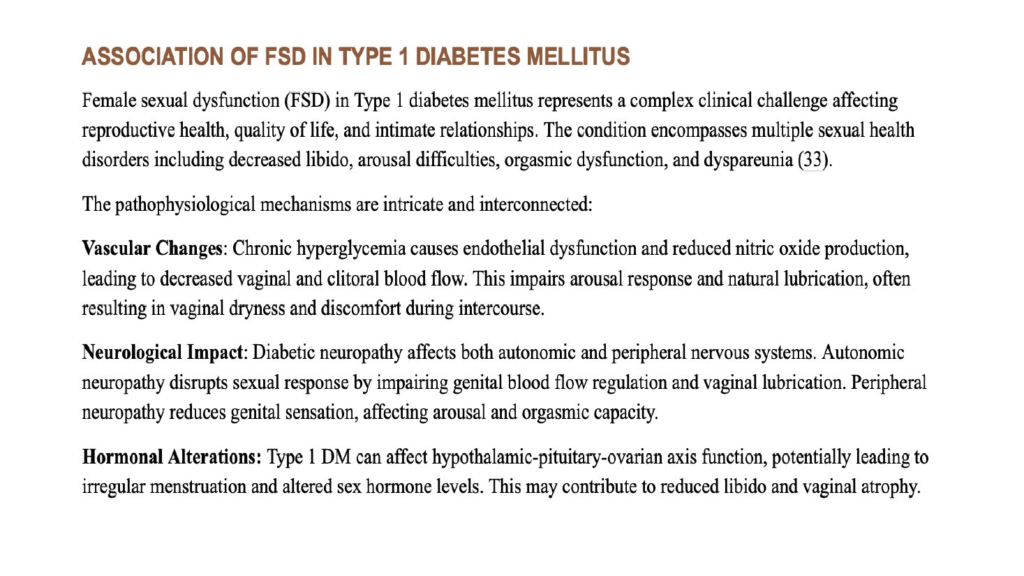
Figure 8. Association of female sexual dysfunction with type 1 diabetes: vascular, neurological and hormonal mechanisms.
Infective and local. Glycosuria favours vulvovaginal candidiasis, and recurrent infection produces vulvar burning and entry dyspareunia. Pelvic floor muscle hypertonicity, vulvodynia and dermatoses such as lichen sclerosus are other local causes.
Psychological. Depression, anxiety, poor body image, fear of hypoglycaemia during intercourse and the burden of self-management all reduce desire and satisfaction. Pain itself conditions anticipatory fear, which increases muscle guarding and sustains the cycle.
Clinical Evaluation
Asking the question
The single most important step is to ask. A routine, non-judgemental question such as “Do you have any pain or discomfort during intimacy?” can be built into the annual review. In Indian settings, the presence of a trained female clinical attendant greatly increases disclosure, as shown in Cases 1 and 4. Because discussing sexual problems can be uncomfortable, clinicians should create a safe, private setting and take a sexual history in which the woman describes the location, intensity and duration of pain.1
History and examination
The history should separate entry from deep pain, which narrows the differential diagnosis considerably (Figure 9). Entry pain suggests vulvovaginal causes such as dermatoses, inadequate lubrication, atrophy, vaginismus, vaginitis or vulvodynia. Deep pain points towards endometriosis, pelvic inflammatory disease, adnexal masses, interstitial cystitis or pelvic floor dysfunction. Diabetes itself is listed among the historical clues for inadequate lubrication.
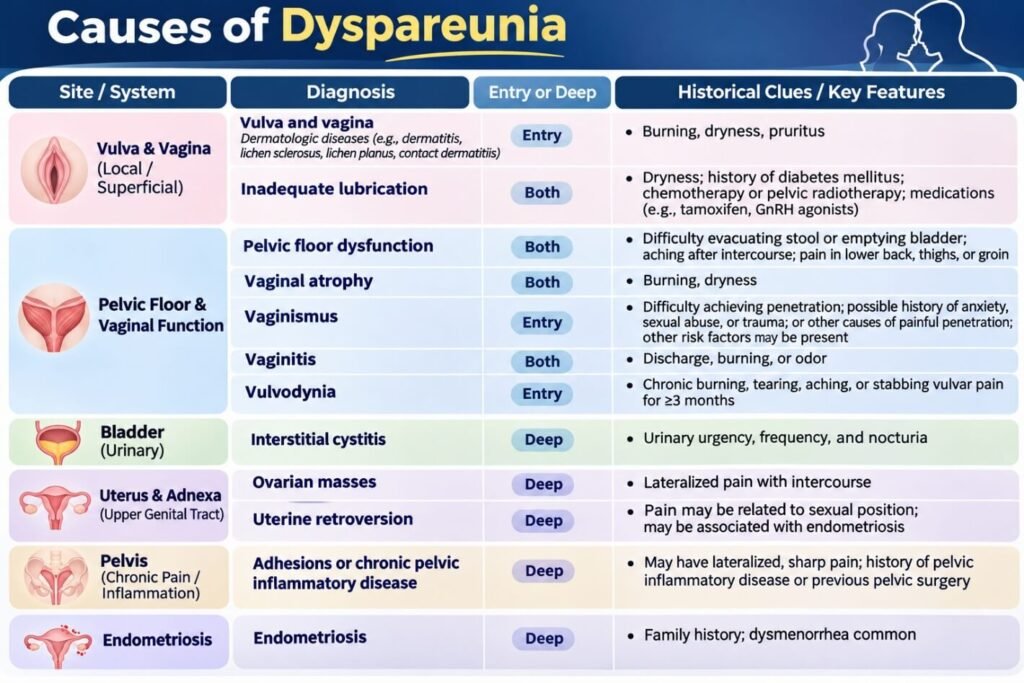
Figure 9. Causes of dyspareunia classified by entry or deep pain, with historical clues. Source: Hill and Taylor, Am Fam Physician 2021.1
Examination includes inspection of the external genitalia and a cotton-swab test for focal tenderness. A single-digit vaginal examination can identify tender pelvic floor muscles, and a bimanual examination assesses the uterus and adnexa.1 A standardised, reproducible screening examination for pelvic floor myofascial pain has been developed, assessing external sites and the obturator internus and levator ani muscles, with high agreement between examiners.6 Validated questionnaires such as the FSFI help document severity and response to treatment. Investigations are guided by findings: urine examination and culture, vaginal swabs for candida, and glycaemic and thyroid status.
Management
General measures
Management begins with optimal glycaemic control, screening for neuropathy and vascular complications, and treatment of depression or anxiety. Sexual health counselling, involvement of the partner and attention to the partner’s own sexual function, as in Case 3, are essential. Lubricants for intercourse and vaginal moisturisers for regular use are first-line, non-hormonal options. Specific treatments then depend on the cause: pelvic floor physiotherapy and dilators for vaginismus and myofascial pain, gynaecological management of endometriosis, and topical agents for vulvodynia.1
Genitourinary syndrome of menopause
For GSM, low-dose vaginal oestrogen in the form of tablets, creams or rings has the most robust evidence base and is the treatment of choice.2 The AAFP strength-of-recommendation summary rates vaginal oestrogen as an A-level recommendation for dyspareunia due to GSM, based on Cochrane review evidence (Figure 10).1 The 2025 AUA/SUFU/AUGS guideline, endorsed by ISSWSH and The Menopause Society, supports this approach and emphasises shared decision-making and follow-up.2 Systemic absorption with low-dose vaginal preparations is minimal, and Indian experience with vaginal oestrogen cream in menopausal women has shown improvement in symptoms of vaginal atrophy.10 Systemic menopausal hormone therapy may be considered when vasomotor symptoms coexist, after individual assessment of cardiovascular and breast cancer risk.8 Ospemifene, a selective oestrogen receptor modulator, and vaginal DHEA (prasterone) are alternatives where available.
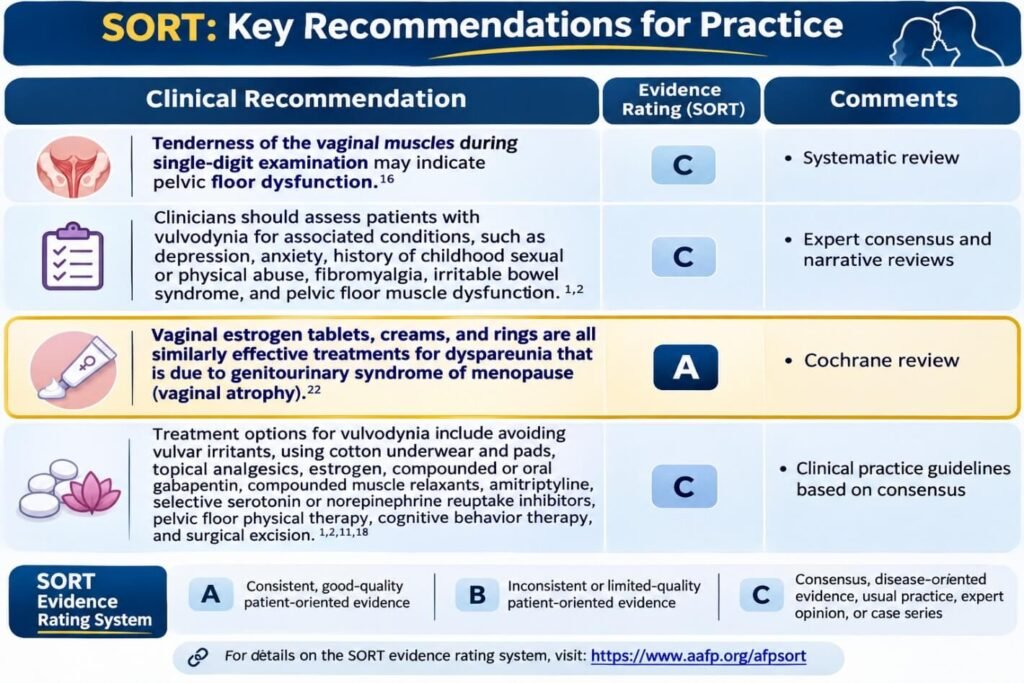
Figure 10. Key recommendations for practice in dyspareunia, with evidence ratings. Vaginal oestrogen tablets, creams and rings are rated A for dyspareunia due to GSM. Source: Hill and Taylor, Am Fam Physician 2021.1
Pharmacotherapy for desire and arousal disorders
Several drugs target low desire or arousal, although regulatory approval and availability in India vary (Figures 11 and 12). Flibanserin (100 mg orally at bedtime) and bremelanotide (1.75 mg subcutaneously at least 45 minutes before activity) are approved in the United States for premenopausal HSDD. Flibanserin carries risks of hypotension and syncope, particularly with alcohol, and interacts with CYP3A4 inhibitors. Transdermal testosterone, used off-label at doses that achieve premenopausal physiological levels, is supported by an ISSWSH clinical practice guideline for postmenopausal women with HSDD, with monitoring of testosterone levels, lipids and adverse effects.7 Phosphodiesterase-5 inhibitors are not approved for women; small studies suggest possible benefit in arousal disorder associated with diabetes or SSRI use, but evidence is limited.
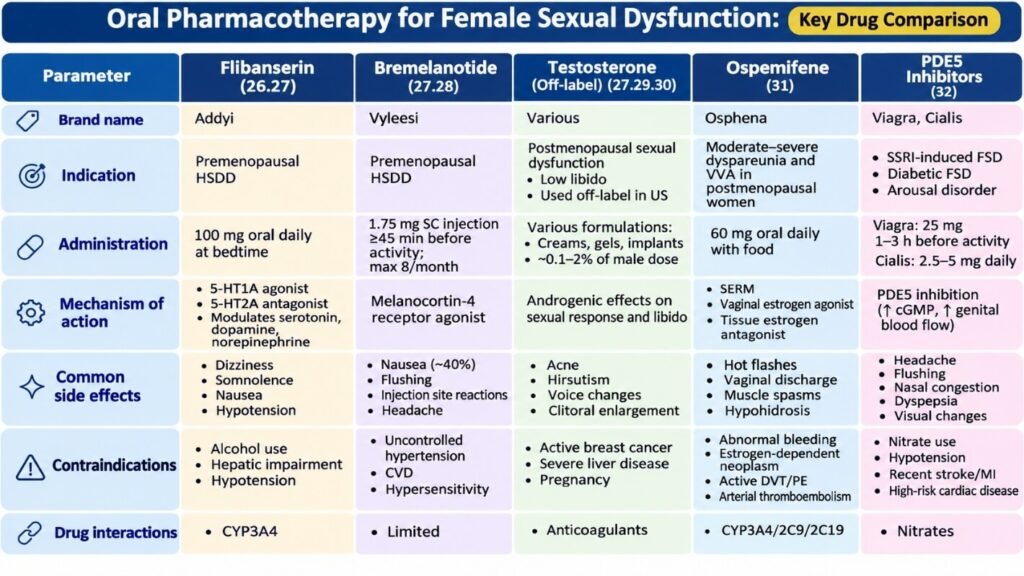
Figure 11. Pharmacological options for female sexual dysfunction: indication, administration, mechanism, side effects and contraindications (part 1).
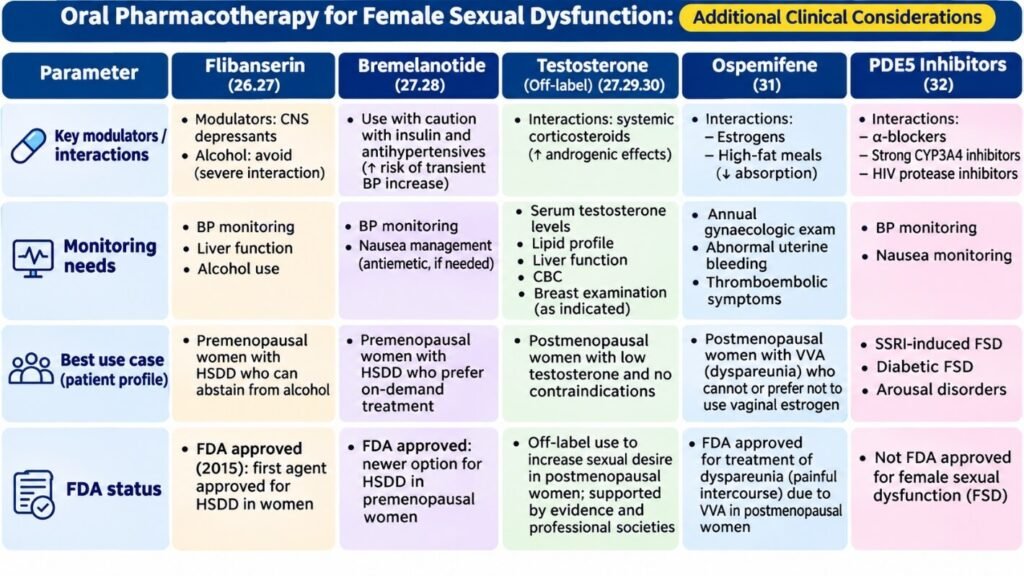
Figure 12. Pharmacological options for female sexual dysfunction: interactions, monitoring, best use case and regulatory status (part 2).
SGLT2 inhibitors and genital infection
SGLT2 inhibitors are now central to cardiorenal protection in type 2 diabetes. Their glycosuric action increases the risk of genital mycotic infection, most often vulvovaginal candidiasis, with women and people with obesity at greater risk. Most infections are mild and respond to standard antifungal treatment, and counselling on genital hygiene, adequate hydration and early reporting of symptoms reduces discontinuation.9 Case 4 illustrates how this counselling, delivered by a female staff member at initiation, can be made routine. Recurrent or severe vulvar pruritus and pain in a postmenopausal woman on an SGLT2 inhibitor should prompt examination rather than repeated empirical treatment, because coexisting GSM or dermatoses may be present.
Supplements and interactions
Many midlife women use herbal and dietary supplements without telling their doctors. Some interact with menopausal therapies: St John’s wort induces CYP3A4 and may lower oestrogen concentrations, and phytoestrogens may alter the effect of conjugated oestrogens. Asking about supplements is part of a complete review.
A Practical Model for Indian Diabetes Clinics
Based on the experience described, we propose a simple model for diabetes practices:
- Include a single screening question about painful intercourse and genital symptoms at diagnosis, at the annual review and at SGLT2 inhibitor initiation.
- Train a female clinical attendant to ask this question and to deliver genital hygiene counselling in the woman’s own language (Figure 13).
- Classify pain as entry or deep, and screen for GSM in every perimenopausal and postmenopausal woman.
- Treat GSM with vaginal moisturisers and low-dose vaginal oestrogen unless contraindicated.
- Refer early to gynaecology, pelvic floor physiotherapy or psychosexual counselling where indicated, and address the partner’s sexual health.
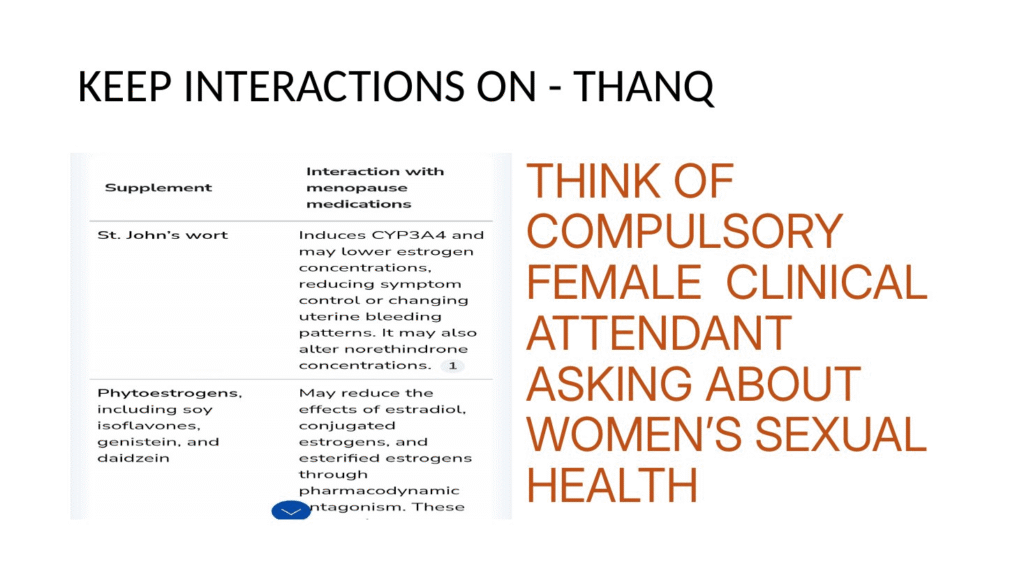
Figure 13. A call to action: a compulsory female clinical attendant asking about women’s sexual health in every diabetes clinic.
Conclusion
Dyspareunia in women with diabetes is common, distressing and usually treatable, yet it remains one of the most neglected complications in diabetes care. The four cases presented here had different diagnoses, namely vaginismus, endometriosis, GSM and drug-related infection risk, but shared one feature: the problem came to light only because someone asked. Integrating a brief, culturally sensitive enquiry into routine diabetes care, supported by a female clinical attendant, is a low-cost intervention that can improve physical, emotional and social wellbeing, and may in turn improve engagement with diabetes management.
Key messages
- Sexual dysfunction affects roughly two-thirds of women with type 2 diabetes and is rarely asked about.
- Distinguishing entry from deep pain is the first step in finding the cause.
- GSM is the commonest treatable cause in midlife; low-dose vaginal oestrogen has the strongest evidence.
- Counsel every woman starting an SGLT2 inhibitor about genital hygiene and infection symptoms.
- A trained female clinical attendant greatly improves disclosure in Indian practice.
Declarations
Conflicts of interest: None declared. Funding: None. Consent: Patient details have been anonymised. Some Figures are redesigned by CME INDIA.
References:
1. Hill DA, Taylor CA. Dyspareunia in women. Am Fam Physician. 2021;103(10):597–604.
2. Kaufman MR, Ackerman AL, Amin KA, Coffey M, Danan E, Faubion SS, et al. The AUA/SUFU/AUGS guideline on genitourinary syndrome of menopause. J Urol. 2025;214(3):242–250.
3. Hashim R, Forde R, Ausili D, Forbes A. Prevalence and associated factors of sexual dysfunction in premenopausal women with type 1 diabetes: a systematic review and meta-analysis. Diabet Med. 2023;40(11):e15173.
4. Rahmanian E, Salari N, Mohammadi M, Jalali R. Evaluation of sexual dysfunction and female sexual dysfunction indicators in women with type 2 diabetes: a systematic review and meta-analysis. Diabetol Metab Syndr. 2019;11:73.
5. Navriya SC, Jain M, Yadav O, Chowdary RC. Sexual dysfunction in female patients with diabetes. In: StatPearls [Internet]. Treasure Island (FL): StatPearls Publishing; updated 2025 Mar 7.
Find article on NCBI Bookshelf
6. Meister MR, Sutcliffe S, Badu A, Ghetti C, Lowder JL. Development of a standardized, reproducible screening examination for assessment of pelvic floor myofascial pain. Am J Obstet Gynecol. 2019;220(3):255.e1–255.e9.
7. Parish SJ, Simon JA, Davis SR, Giraldi A, Goldstein I, Goldstein SW, et al. International Society for the Study of Women’s Sexual Health clinical practice guideline for the use of systemic testosterone for hypoactive sexual desire disorder in women. J Womens Health. 2021;30(4):474–491.
8. The 2022 hormone therapy position statement of The North American Menopause Society. Menopause. 2022;29(7):767–794.
9. Unnikrishnan AG, Kalra S, Purandare V, Vasnawala H. Genital infections with sodium glucose cotransporter-2 inhibitors: occurrence and management in patients with type 2 diabetes mellitus. Indian J Endocrinol Metab. 2018;22(6):837–842.
10. Shah M, Karena Z, Patel SV, Parmar N, Singh PK, Sharma A. Treatment of vaginal atrophy with vaginal estrogen cream in menopausal Indian women. Oman Med J. 2017;32(1):15–19.

Discover CME INDIA

- Explore CME INDIA Repository
- Examine CME INDIA Case Study
- Read History Today in Medicine
- Register for Future CMEs