
CME INDIA Presentation by Dr. Mridul Das, MD , CMD, Diabetologist, Agartala. diabetestripura@gmail.com; Dr. Vijay Kumar, MD (Medicine), FICPFICCMD , FRSSDI, FIACM, FDI , FICS, PGDH & HM (NIHFW, New Delhi)FGID & AMSP (CMC, Vellore) DFID(CMC, Vellore)Additional Professor & Unit HeadDepartment of MedicineAll India Institute of Medical Sciences,(AIIMS),Patna, Bihar vijayrssdi@gmail.com; Dr. M.PavanKumar Professor and HOD – Department of Medicine, GMC, Jayashankar Bhupalpally, Telangana.
Key Messages from the RSSDI Position Statement on Everyday “Smart Foods” versus “Superfoods” in Type 2 Diabetes.
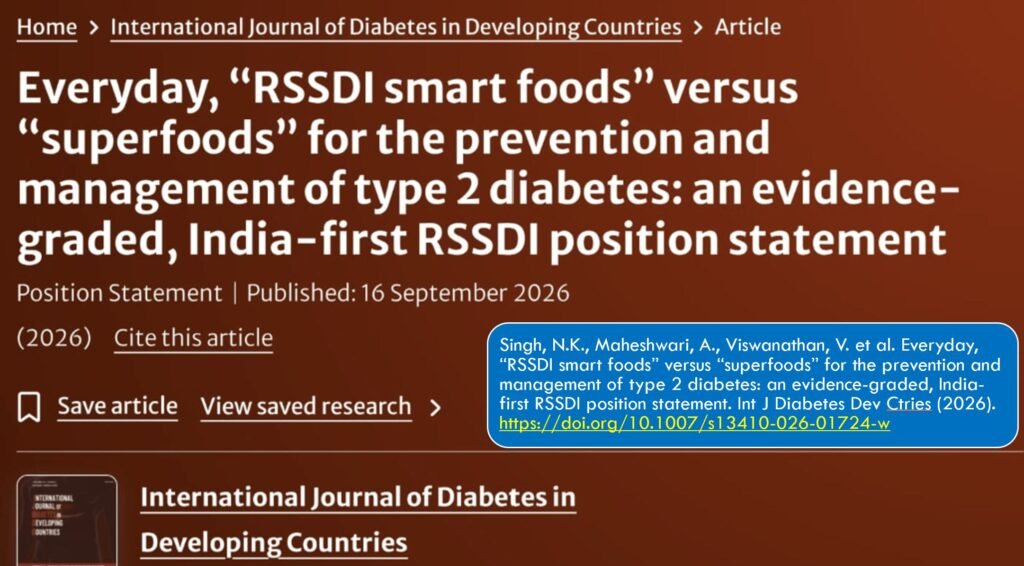
| Quick Takeaway Affordable, culturally familiar Indian foods such as millets, pulses, groundnut, flaxseed, fenugreek and seasonal fruit deliver cardiometabolic benefits comparable to, and often better supported than, premium-priced “superfoods,” at 5 to 20 times lower cost, and should form the evidence-based core of medical nutrition therapy (MNT) for type 2 diabetes in India. Nutrition is central to the prevention and management of type 2 diabetes, yet the growing popularity of so-called “superfoods” often promotes expensive or exotic foods without adequate consideration of evidence, affordability, or cultural relevance. To address this gap, RSSDI has introduced the concept of “RSSDI Smart Foods”—evidence-based, affordable, familiar, and practical food choices suited to the Indian population. This India-first framework aims to shift the focus from fashionable “superfoods” to scientifically supported everyday foods that can improve glycaemic and cardiometabolic health. Citation: Singh NK, Maheshwari A, Viswanathan V, et al. Everyday, “RSSDI smart foods” versus “superfoods” for the prevention and management of type 2 diabetes: an evidence-graded, India-first RSSDI position statement. Int J Diabetes Dev Ctries. 2026. doi:10.1007/s13410-026-01724-w. |
1. A Landmark, India-First Statement
Every physician in India has heard the question: “Doctor, should I start quinoa? Is chia better than alsi? Are almonds the only good nut?” Patients arrive shaped by advertising, social media and supermarket shelves, and they often spend scarce household money on imported products in the belief that these will control their diabetes.
The Research Society for the Study of Diabetes in India (RSSDI) has now answered this question with authority. In a position statement published in the International Journal of Diabetes in Developing Countries (2026), 27 leading diabetologists, endocrinologists, physiologists and a clinical nutritionist from across India have examined the evidence food by food. Their conclusion is clear and practical: the word “superfood” is a marketing label, not a medical category, and the foods that truly help people with diabetes are already on the Indian shelf.
This is the first society-level Indian document to weigh marketed superfoods against indigenous staples on three axes at once: scientific evidence, cost and cultural fit. It is aligned with the RSSDI 2025 Nutrition Guidelines and the ICMR–NIN 2024 Dietary Guidelines for Indians, and it translates the evidence into 13 graded, prescribable position statements.
2. Why This Matters for India
India has more than 100 million adults living with diabetes and an even larger number with prediabetes. The typical Indian diet is cereal-heavy, with polished rice and refined wheat supplying much of daily energy. The Asian Indian phenotype, with diabetes at lower body weight, greater visceral fat, earlier β-cell decline and pronounced post-meal glucose spikes, calls for dietary strategies that are both effective and sustainable in Indian homes.
The statement makes a powerful point: a diet the patient can afford, source and continue for years will outperform a theoretically “superior” diet that is abandoned in weeks. Adherence drives glycaemic outcome, and affordability drives adherence. By placing cost and cultural fit at the centre of nutrition counselling, the authors bring equity and effectiveness together.
3. The SMART Food Framework
The authors adopt the concept of smart foods, originally described for millets as foods good for the consumer, the farmer and the planet, and extend it to a wider group of affordable, evidence-based, locally produced foods. The RSSDI plate model distils this into five easily taught principles.
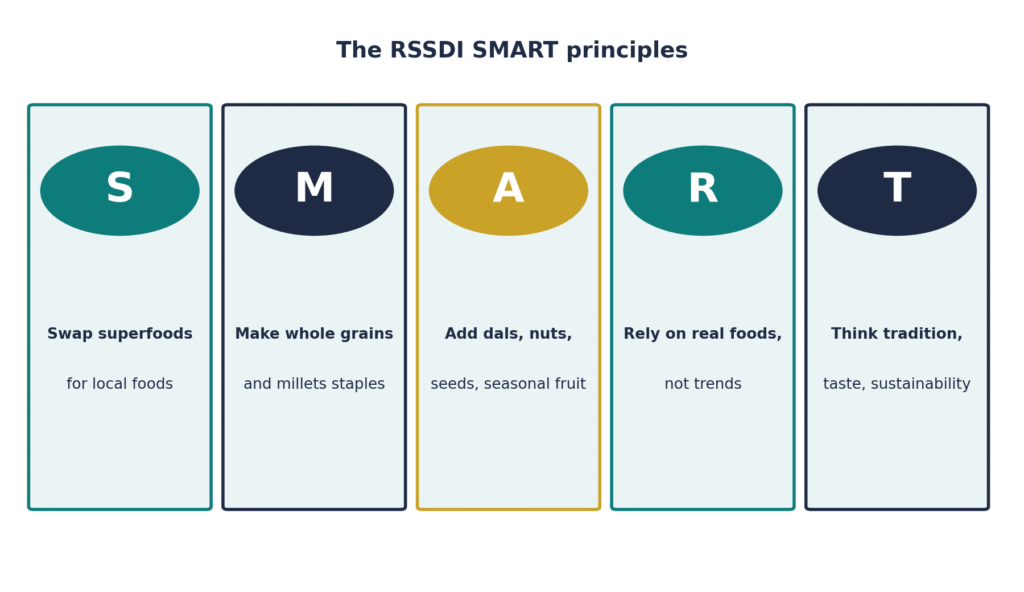
Figure 1. The RSSDI SMART principles for the Indian diabetes plate (redrawn from the statement’s plate model).
4. Evidence, Tier by Tier
A particular strength of the statement is that every recommendation carries an evidence tag. This lets physicians separate foundation foods to act on now from promising adjuncts and from items that should not be overstated.
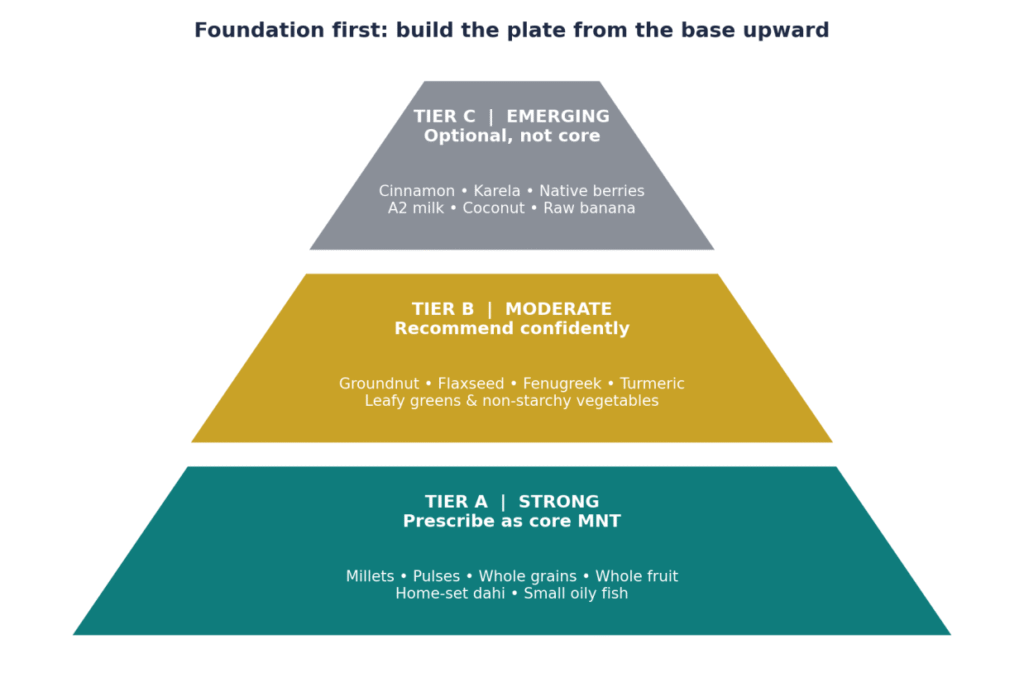
Figure 2. The three evidence tiers of the RSSDI smart food hierarchy.
Tier A: Strong evidence, prescribe as core MNT
Millets (jowar, bajra, foxtail, barnyard) emerge as the single highest-impact dietary lever. The largest synthesis to date, covering 65 studies and about 1,000 participants, found a mean glycaemic index of 52.7 for millets, compared with 71.7 for milled rice and 74.2 for refined wheat. Long-term millet consumption lowered fasting and post-meal glucose by roughly 12% and 15% in people with diabetes.
How it works: millet starch sits within a tougher matrix of fibre, protein and polyphenols. Digestive enzymes reach it more slowly, so glucose enters the blood gradually rather than in a spike.
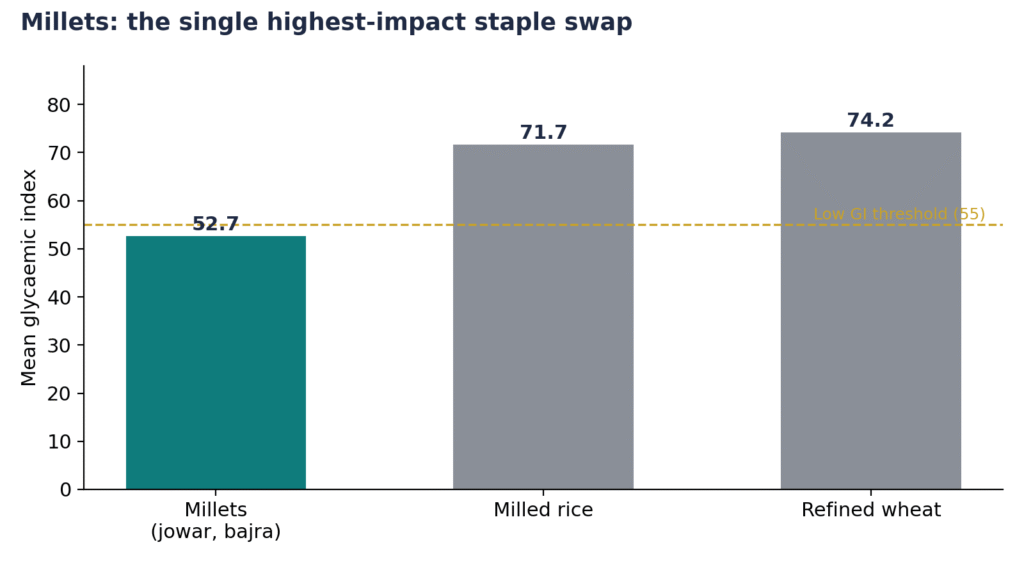
Figure 3. Mean glycaemic index of millets versus milled rice and refined wheat (values from the statement).
Pulses (dal, chana, rajma) are among the best-evidenced foods in all of diabetes nutrition. A landmark randomised trial showed that one cup of legumes daily for three months lowered HbA1c and blood pressure more than a whole-grain comparator. Meta-analysis confirms an HbA1c reduction of about 0.3 percentage points, and an umbrella review links pulse intake to lower rates of diabetes and cardiovascular disease.
How it works: pulses combine resistant starch, viscous fibre and protein. Resistant starch is fermented in the colon into short-chain fatty acids that improve insulin sensitivity, while fibre and protein slow stomach emptying.
The Tier A plate is completed by 100% whole-wheat atta and brown rice, citrus and amla, home-set dahi and chaas, and, for non-vegetarians, small oily fish such as bangda, sardines and hilsa, which provide affordable, low-mercury omega-3 fats. The statement also sets out the whole-fruit principle: intact, fibre-rich seasonal fruit matters, not the geography of any particular berry. Guava and amla fill the same niche as imported blueberries at a fraction of the price.
Tier B: Moderate evidence, recommend confidently
- Groundnut: in a head-to-head trial in people with type 2 diabetes, peanuts matched almonds in improving fasting and post-meal glucose, at roughly one-tenth the cost. Groundnut is the rational default nut at population scale.
- Flaxseed (alsi): provides the same α-linolenic acid, viscous fibre and lignans as chia, with a larger diabetes evidence base. Grind daily for absorption.
- Fenugreek (methi): trials report fasting glucose falls of about 20 mg/dL and HbA1c falls of about 0.5 percentage points, through galactomannan fibre and 4-hydroxyisoleucine. Turmeric, paired with black pepper, adds further support. Both complement, and never replace, a sound diet and medication.
- Leafy greens and non-starchy vegetables: moringa, palak, methi leaves, sarson, chaulai, bhindi and gawar phali are nutrient-dense with negligible glycaemic load and can be eaten freely.
Tier C: Emerging evidence, optional not core
With admirable candour, the statement places cinnamon, bitter gourd (karela), native berries, A2 milk, coconut and raw banana in the emerging tier. These are culturally familiar foods and can be enjoyed, but they should not be presented to patients as therapy. This honesty strengthens trust in the rest of the document.
5. The Economics of Evidence
Using indicative Indian retail prices, the authors show that marketed superfoods are typically 5 to 20 times more expensive than their everyday Indian equivalents for an equivalent edible portion, without a demonstrated therapeutic advantage.
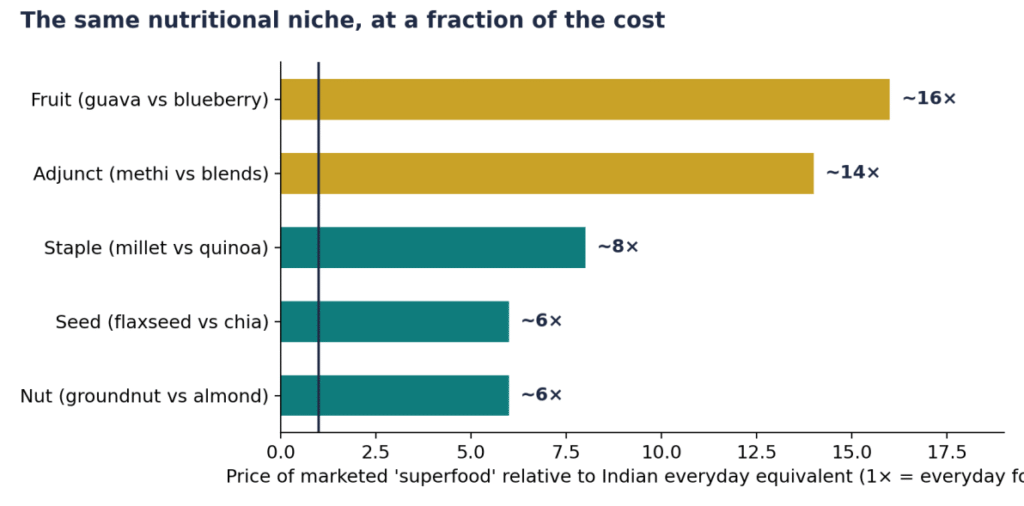
Figure 4. Approximate cost premium of marketed superfoods over Indian equivalents (midpoints of the statement’s indicative ranges).
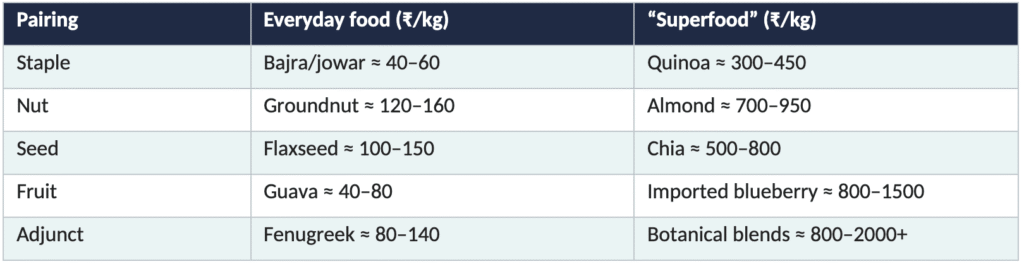
Indicative prices from the statement (2024–25); these vary by region, season and brand.
6. The Smart-Swap Prescription
The most immediately useful element for clinics is the smart-swap table. It turns evidence into a one-line instruction that any physician, dietitian or health worker can give.
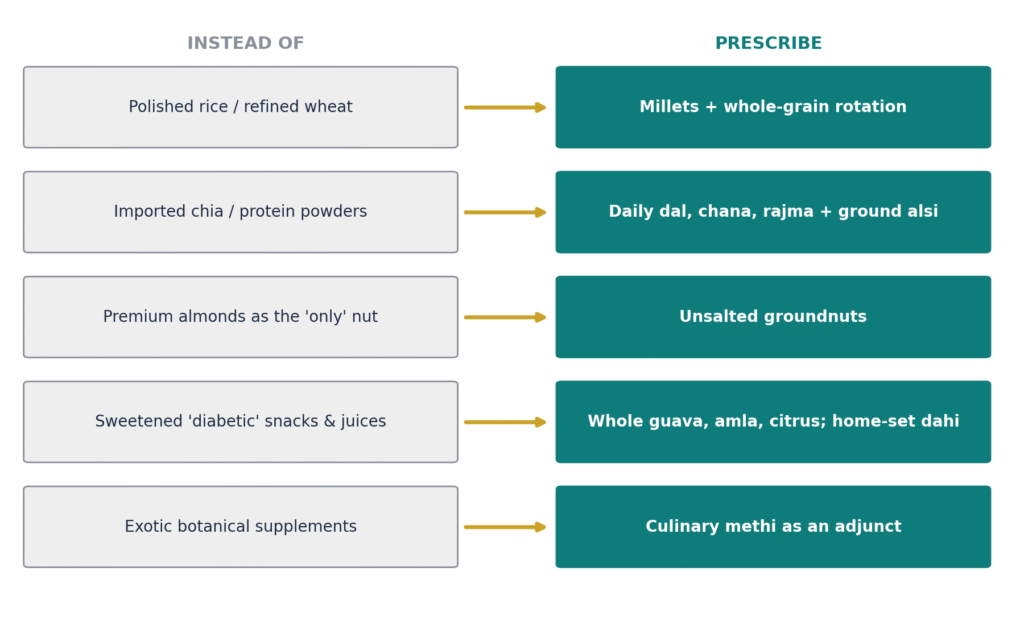
Figure 5. The RSSDI smart-swap prescription for the Indian diabetes plate.
7. Strong Messages for Physicians
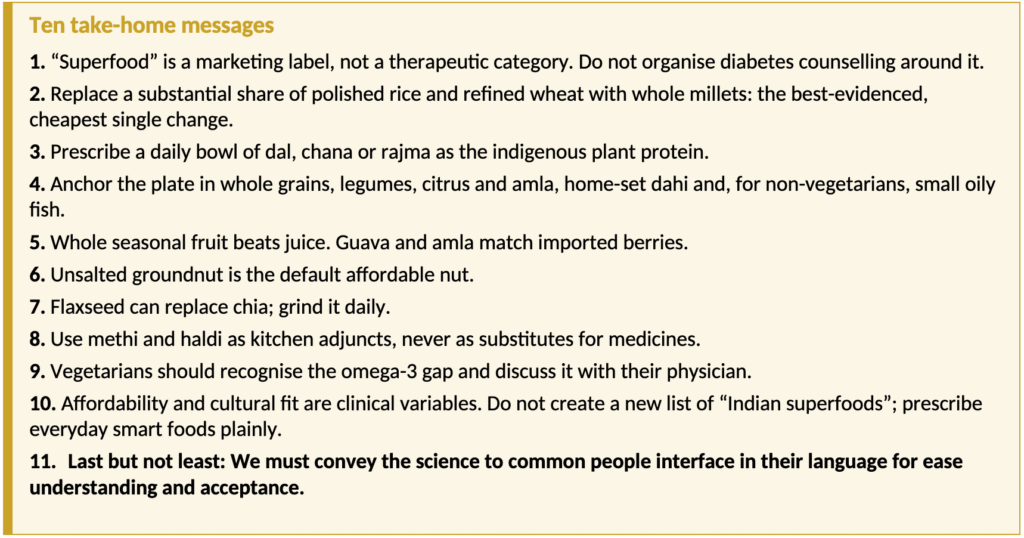
8. Strengths of the Statement
- India-first and practice-ready: it answers a daily clinic question with graded, usable positions.
- Guideline-aligned: fully consistent with RSSDI 2025 and ICMR–NIN 2024 recommendations.
- Evidence tagging: every statement carries a strong, moderate or emerging label.
- Equity lens: it treats cost and culture as determinants of outcome, not footnotes.
- Intellectual integrity: it refuses to replace one marketing list with another (PS 13), and openly downgrades popular but weakly supported foods.
- Phenotype-aware: strategies target the post-meal glucose spikes typical of Asian Indians.
- National authorship: 27 experts from every region of India lend the positions broad credibility.
- Transparent limitations: the authors clearly state that direct head-to-head trials are scarce and call for Indian RCTs.
9. Suggested Norms for Future Updates
As a living framework, the statement will benefit from periodic revision.
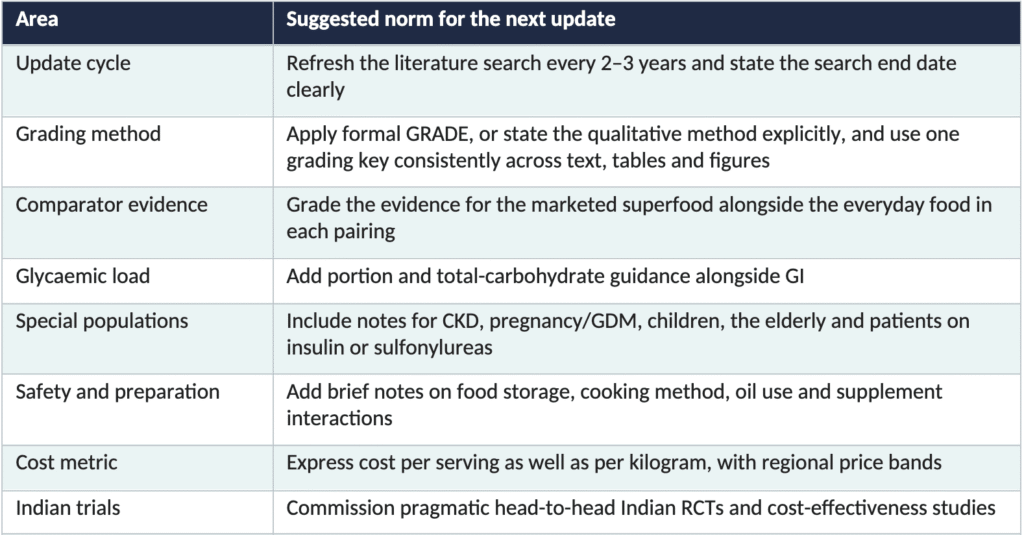
10. Conclusion
The RSSDI “Everyday Smart Foods” position statement is a timely, courageous and eminently practical document. It frees Indian physicians from the pressure to endorse expensive imported products and gives them a society’s backing to tell patients a simple truth: the most effective foods for diabetes are affordable, familiar and already in the Indian kitchen.
Millets and pulses form the foundation; groundnut, flaxseed, fenugreek and leafy greens strengthen it; and emerging foods can be enjoyed without being oversold. Above all, the statement reminds us that nutrition therapy succeeds only when patients can sustain it. With regular updates and dedicated Indian trials, this framework can become the standard reference for diabetes nutrition counselling across the country.
CME INDIA Tailpieces
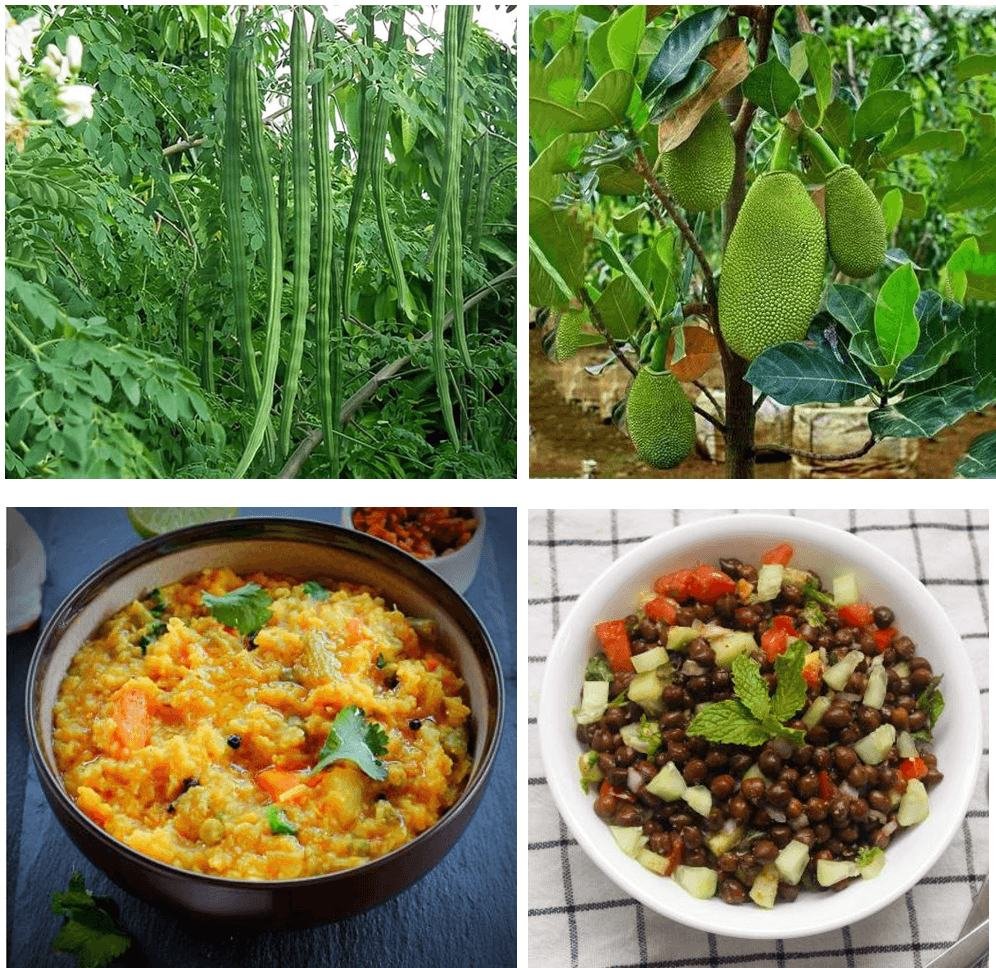
Some good veg like Moringa, Green Jackfruit and easy food like Veg Khichri and boiled Chickpeas for Diabetics:
| Note for readers This article summarises a published RSSDI position statement for continuing medical education. Dietary advice should be individualised to the patient’s renal function, pregnancy status, medications and body weight, and does not replace pharmacotherapy or review by the treating physician or a qualified dietitian. Readers are encouraged to consult the full article |
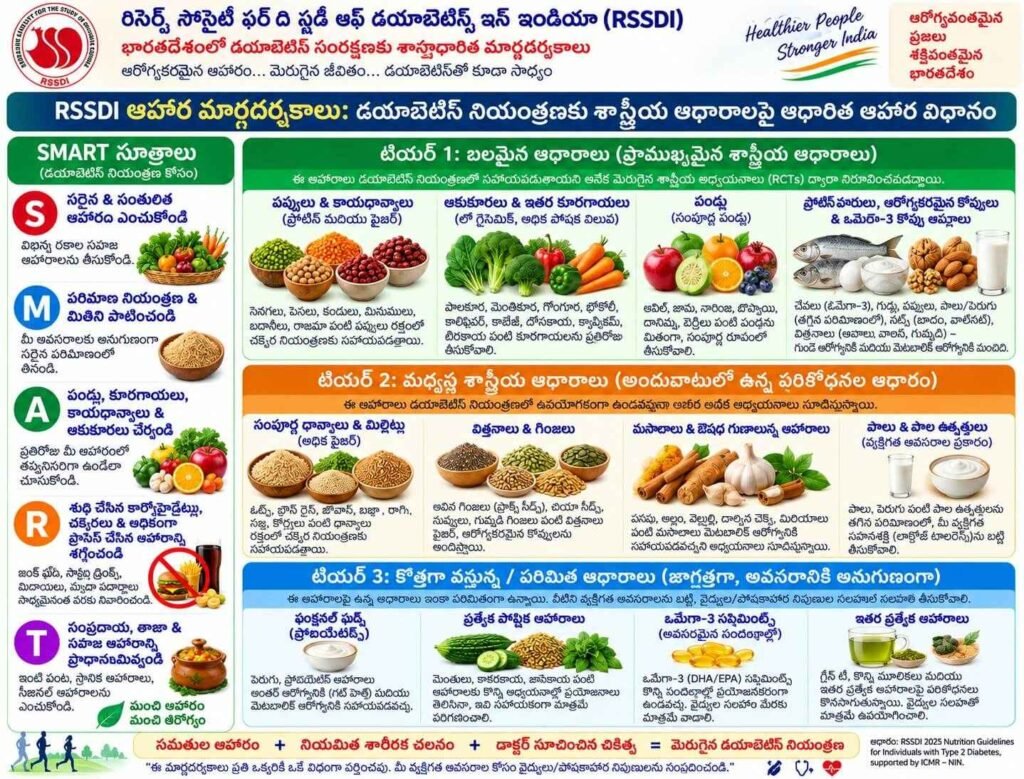
| The picture of RSSDI is translated to Hindi, Bengali, Assamese, Gujrati, Tamil and Telugu by AI for display in clinics enabling easy acceptance by common people |
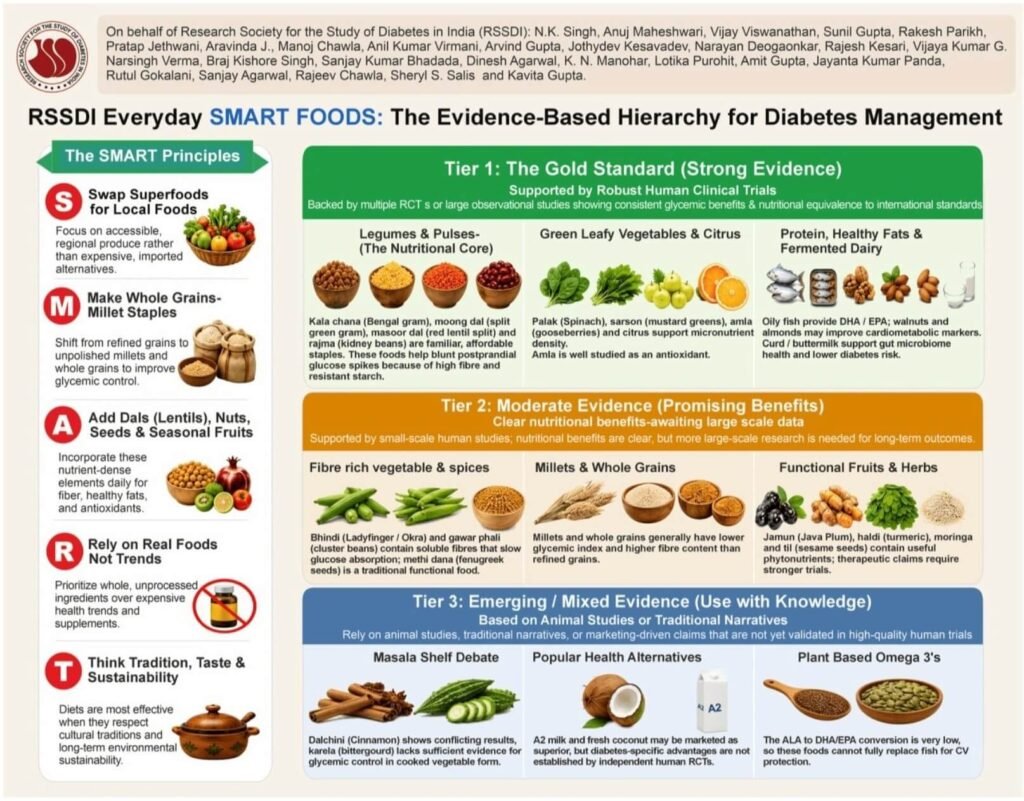
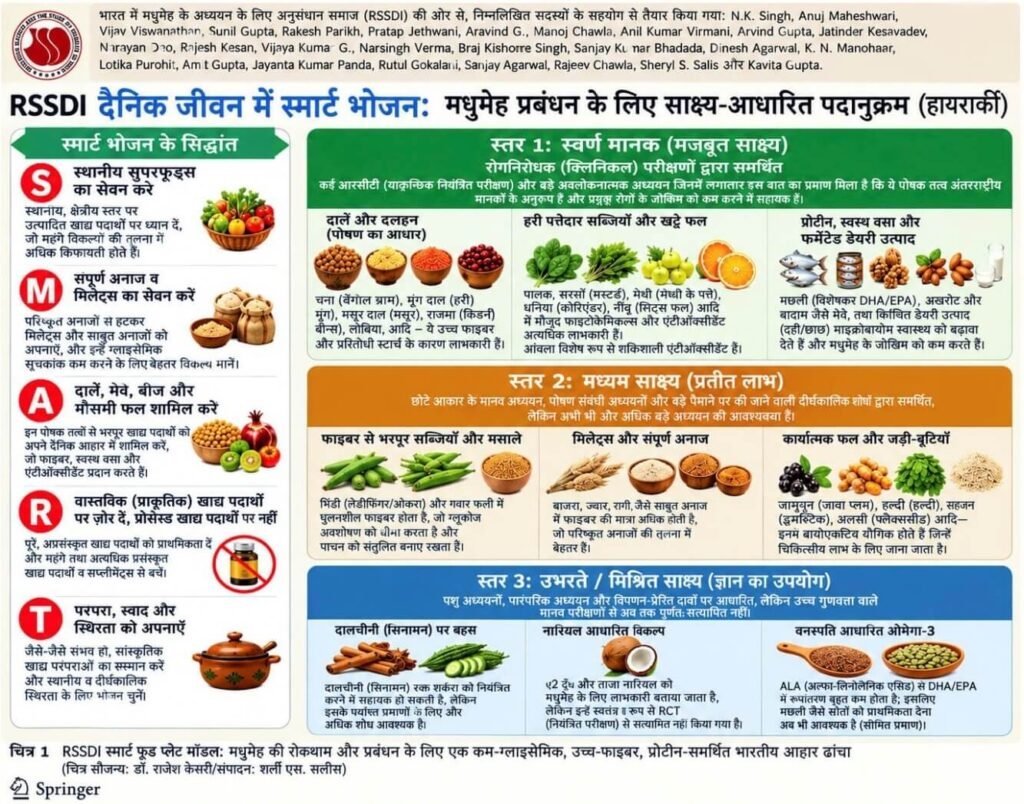
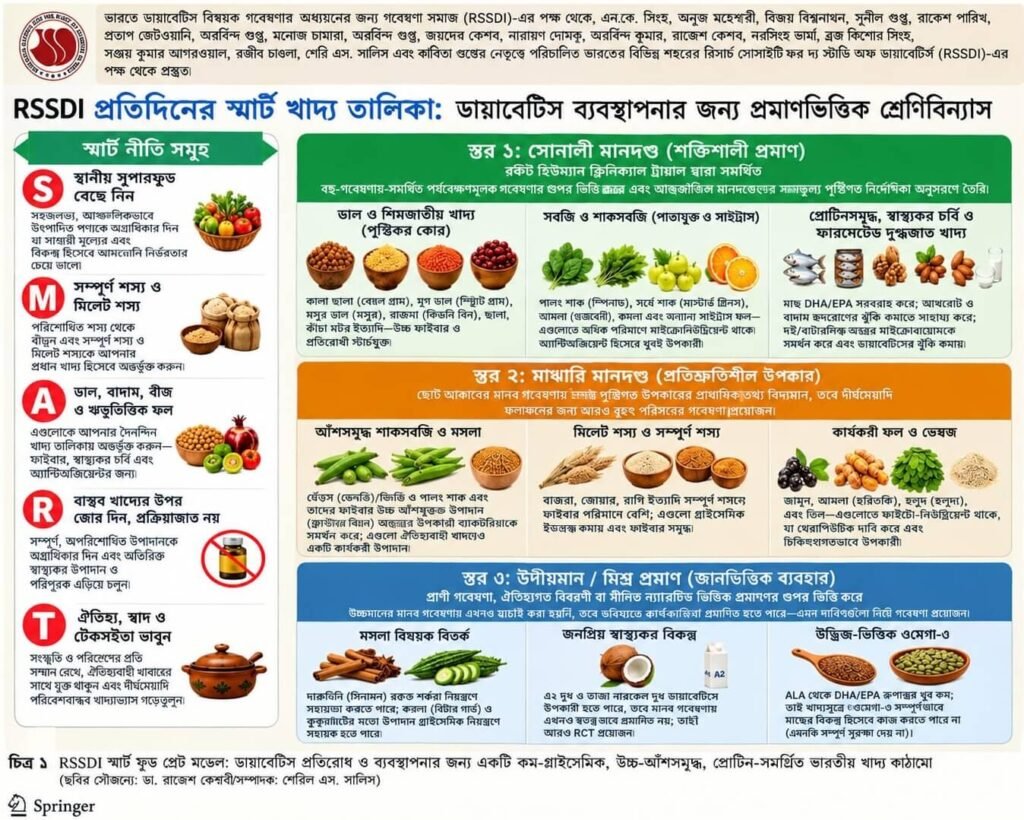
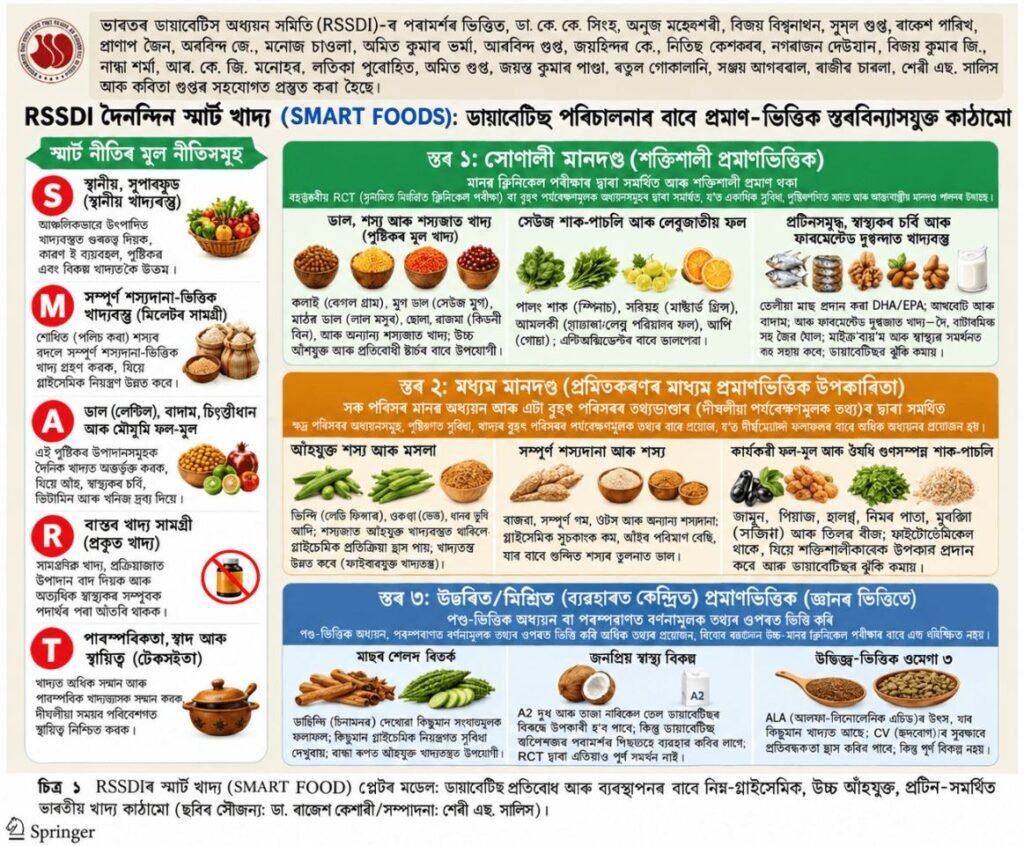
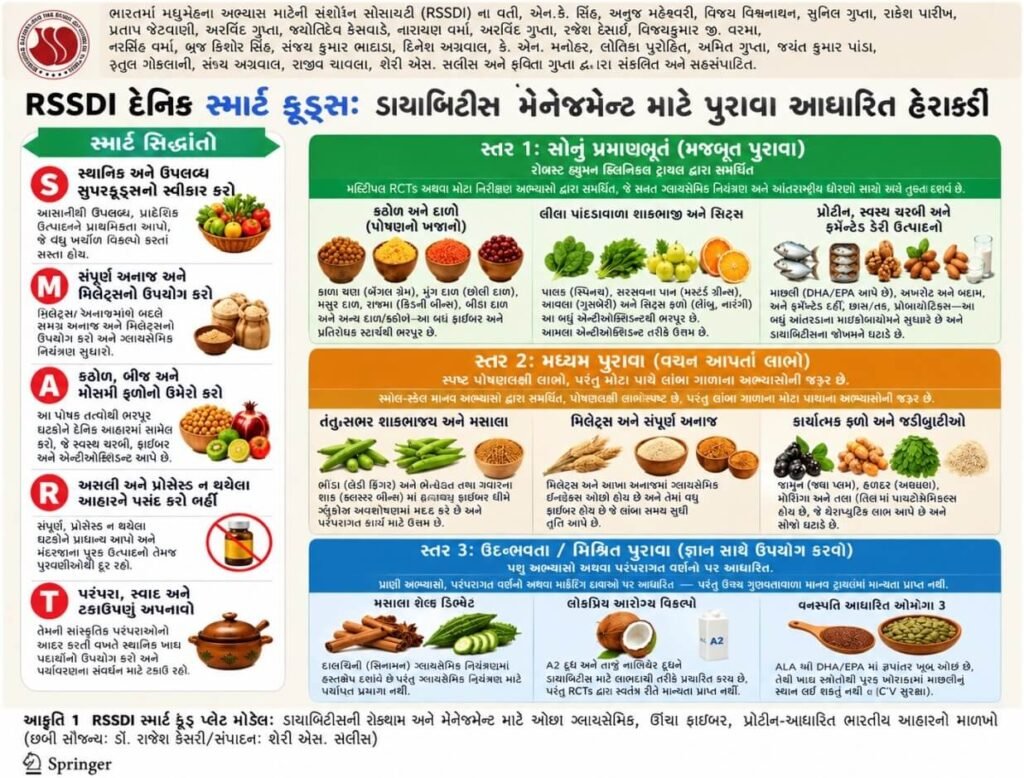
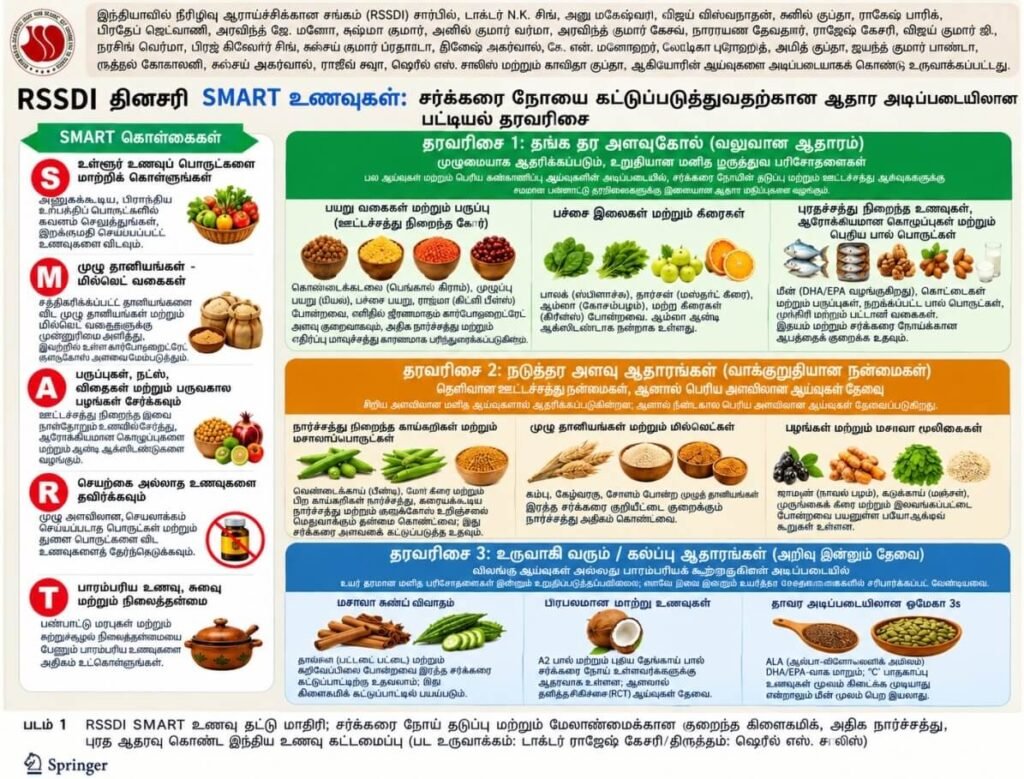
Telegu version courtesy Dr M Pawa Kumar, Warangal, Telangana.
Reference:
- Singh, N.K., Maheshwari, A., Viswanathan, V. et al. Everyday, “RSSDI smart foods” versus “superfoods” for the prevention and management of type 2 diabetes: an evidence-graded, India-first RSSDI position statement. Int J Diabetes Dev Ctries (2026). https://doi.org/10.1007/s13410-026-01724-w
Discover CME INDIA

- Explore CME INDIA Repository
- Examine CME INDIA Case Study
- Read History Today in Medicine
- Register for Future CMEs
Impressed.Kindly put me in the mailing list.